
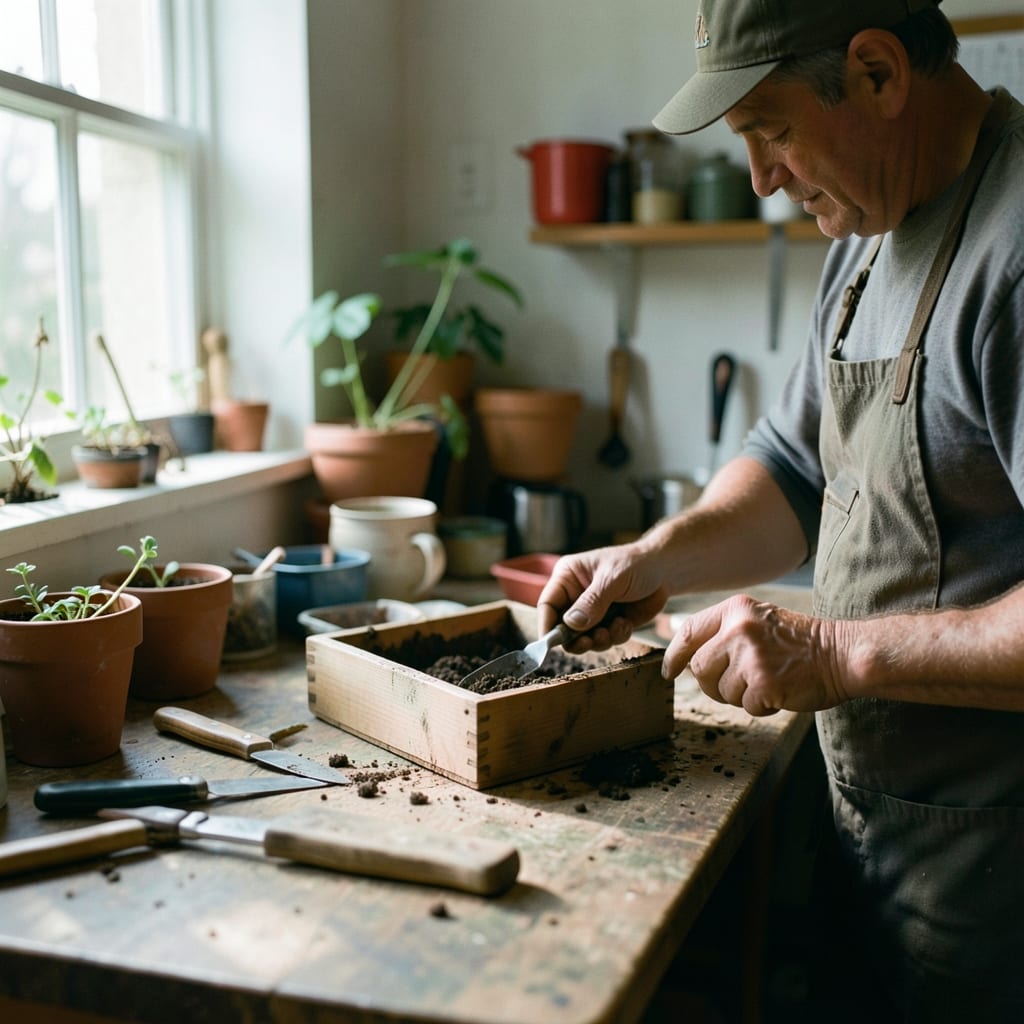
What this work is made with
This page is not a story about gardening. It is a list of the things that actually do the work: the soil, the tools, the hands, and the quiet resistance of what grows.
A garden does not live in words alone—it lives in the weight of a trowel, the way a seedling pushes through cracked earth, the stubbornness of a plant that refuses to die.
This is *Rose Petal Guide*, a place for growing things—plants, seeds, and the lessons they leave behind. Here, we name the objects that hold the work together, not to romanticize them, but to show how they shape what you’ll find between these pages.
The things that do the work
These are the four things that make this work possible: a hand fork that has split twice but won’t be replaced, a wooden plant label that has rotted at the edges, a terracotta pot with a chip in the rim, and a pair of pruning shears that still cut clean after fifteen years.
They are not glamorous. They are not new. They are the ones that have lasted.
Hand fork
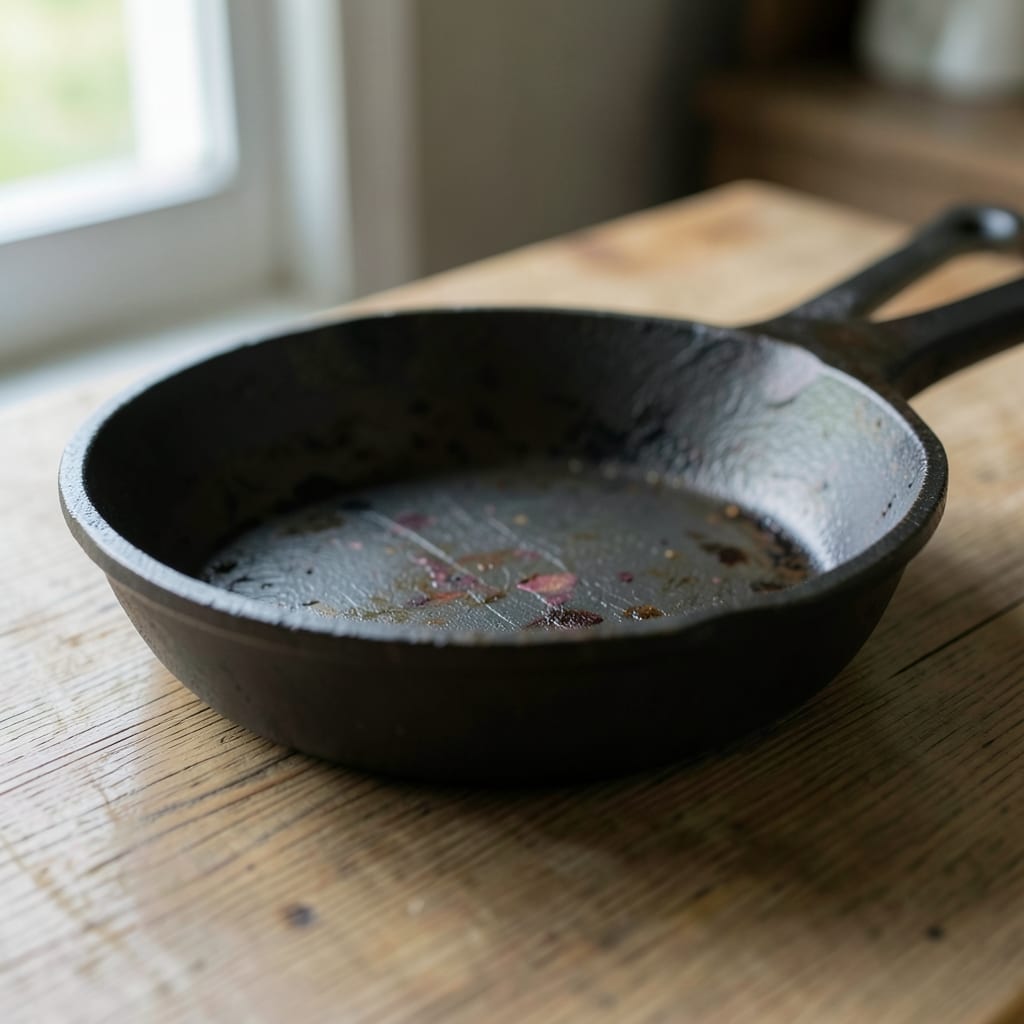
A rusted steel fork with a wooden handle that has split down the grain. It’s been here since the first raised bed, nearly ten years ago, and the head is bent from years of prying up stubborn perennials. The wood is cracked but still holds.
It taught me that tools don’t need to be perfect to work. The first time it snapped a tine loose, I kept using it anyway—because the remaining three still dug through clay soil like it was butter.
Now, I notice how it skips stones in the bed, how the bent tines catch roots that a straight fork would miss.
Wooden plant label
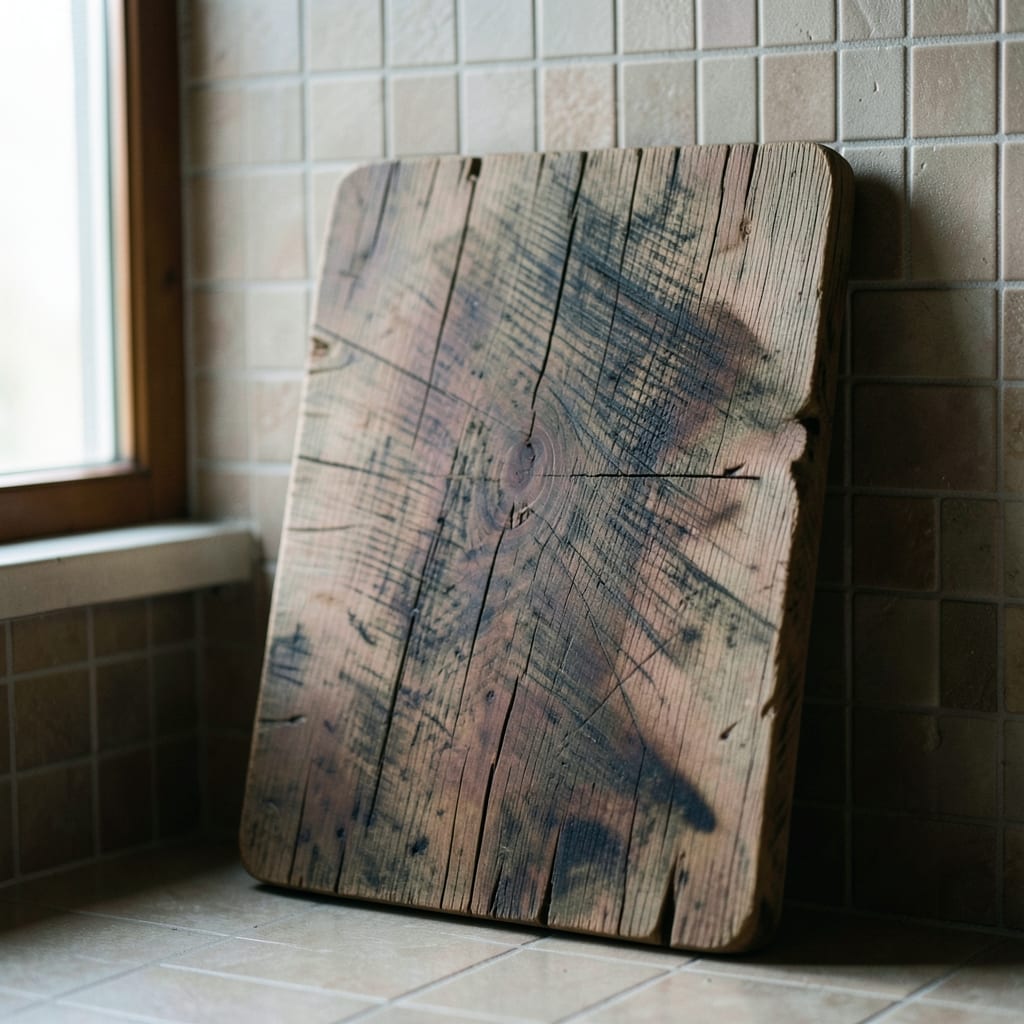
A splintered cedar tag, its edges softened by years in the ground. The paint has long since worn off, leaving only the ghost of what was written. It’s been here since the first garden notes, now faded into something unreadable.
It taught me that labels are temporary. The first time I planted basil and marked it with this tag, I thought I’d remember. But by summer’s end, the writing had blurred into the wood, and the plant had bolted anyway.
Now, I let things grow where they will—and trust that the soil remembers better than I do.
Terracotta pot
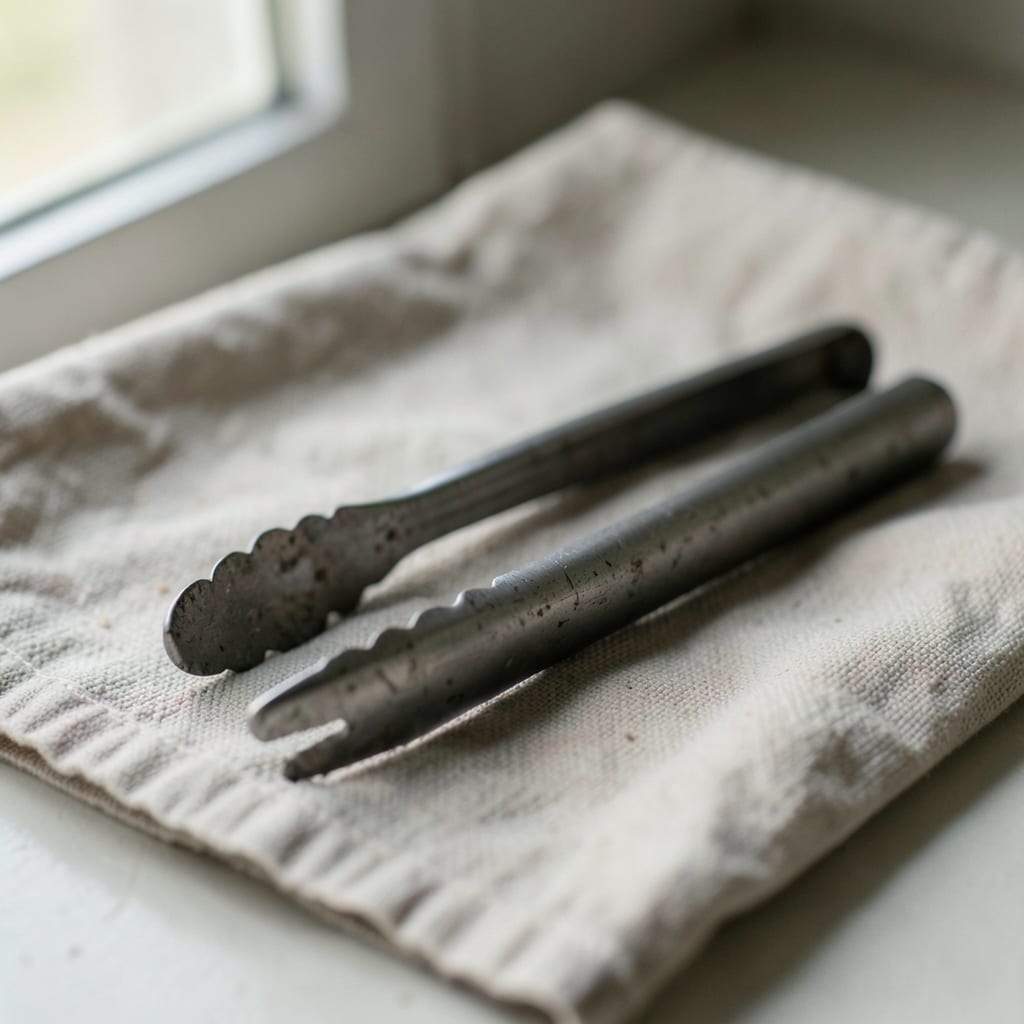
A chipped, glazed pot with a rim cracked from freezing. It’s been here since the first failed attempt at growing tomatoes on a windowsill, and the chip has only gotten larger over time. The glaze is faded where the sun hits it hardest.
It taught me that imperfection is part of the process. The first year, the crack let too much water escape, and the tomato plant wilted before it fruited. Now, I leave it outside all winter, and it still holds seeds—because even broken things can grow.
Pruning shears
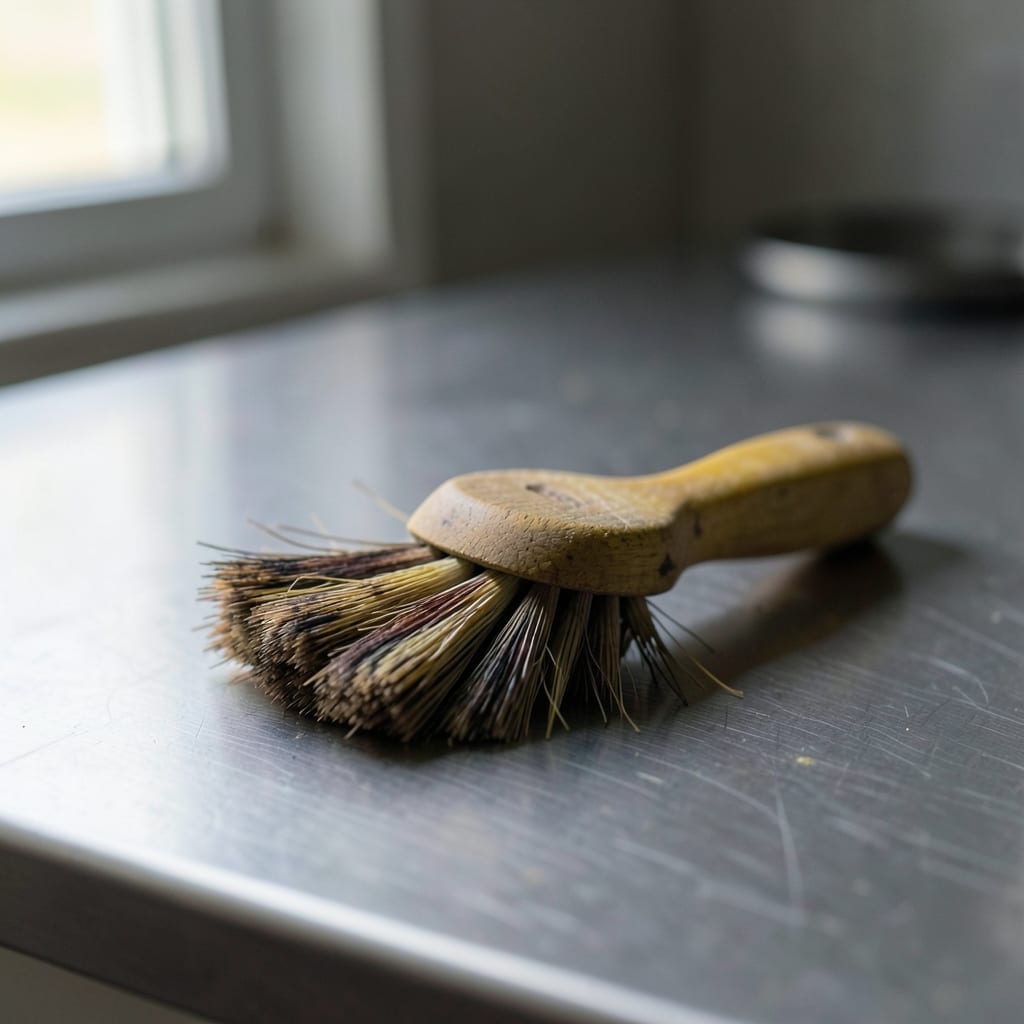
A pair of bypass shears with a handle worn smooth from use. The blades are still sharp, though the screw that holds them has loosened twice. They’ve been here since the first blackberry canes, and the rubber grip is long gone.
It taught me that some tools are meant to last. The first time I used them, I cut a branch too close to the trunk and nearly severed a root. Now, I measure with my thumb before I cut—and they’ve never failed me since.
They’re the only thing I’ve kept from that first garden.
What is not in the drawer
This work does not depend on anything that measures. No digital scales, no soil pH meters, no timers with beeping alarms. The garden does not need precision to thrive—it needs patience, and the willingness to let things unfold.
Deliberately absent
- A trowel with a brand name on it
- A notebook for recording every planting date
- A spray bottle for every pest problem
- A rulebook for what a garden *should* look like
Behind the scenes
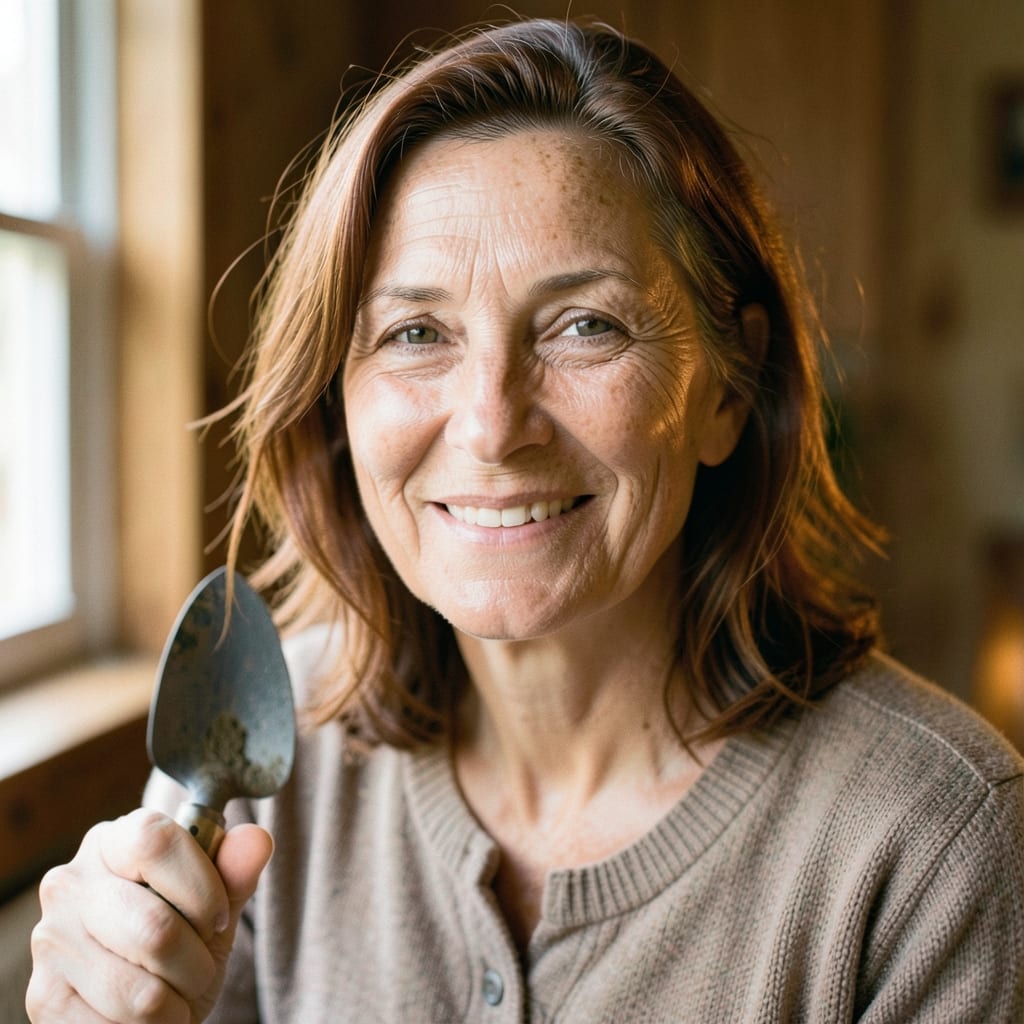
I am Maribel Villanueva, the founder and editor of *Rose Petal Guide*. I am here to dig, to prune, to watch things grow—and to write about the mess in between.
My hands are calloused from years of turning compost, my back remembers the weight of fifty-pound bags of soil, and I now notice how every garden has its own rhythm, its own way of resisting or surrendering.
I came to this from a backyard in rural Pennsylvania, where my abuela taught me that gardening was not about perfection but about paying attention. She handed me a sun-bleached trowel when I was eight and never once corrected my planting.
The first tomatoes I grew were lopsided, the first zucchini bolted before it ripened—but she just smiled and said, ‘Next year.’
This work has given me a permanent ache in my knees and a habit of checking for slugs before I sit down. I used to be able to dig all day without a second thought; now, I have to stretch every hour or my back protests.
But I notice things now that I never did before—the way a dandelion fights to grow through concrete, how a single bee can pollinate an entire row of peas.
I am here to write about the soil’s quiet rebellion: the plants that refuse to die, the seeds that sprout where you least expect them, and the lessons that come not from books but from the hands that hold the dirt. This is not a garden of rules.
It is a garden of questions—and the answers that grow from trying.
Why any of this matters to you
These things—the fork, the pot, the shears, the label—are not here to impress you. They are here to remind you that gardening is not about having the right tools, the right soil, or the right season.
It is about paying attention to what is already growing, even when it looks wrong. Every page here will tell you what worked, what failed, and what the soil taught us along the way.
You will find no step-by-step instructions that assume you have a perfect garden. You will find no promises that this will be easy.
But you will find the truth: that growing things is equal parts science, stubbornness, and a little bit of luck—and that the best lessons come from the things that go wrong.
Every guide here is written with the things that are actually in your garden: the uneven soil, the weeds that won’t stay dead, the plants that surprise you. There are no shortcuts, no guarantees—but there are always lessons.
The guides are grouped by category: Advice, Aphids, Blooming, Companion Plants, Container Gardens and Diseases.