
Trees
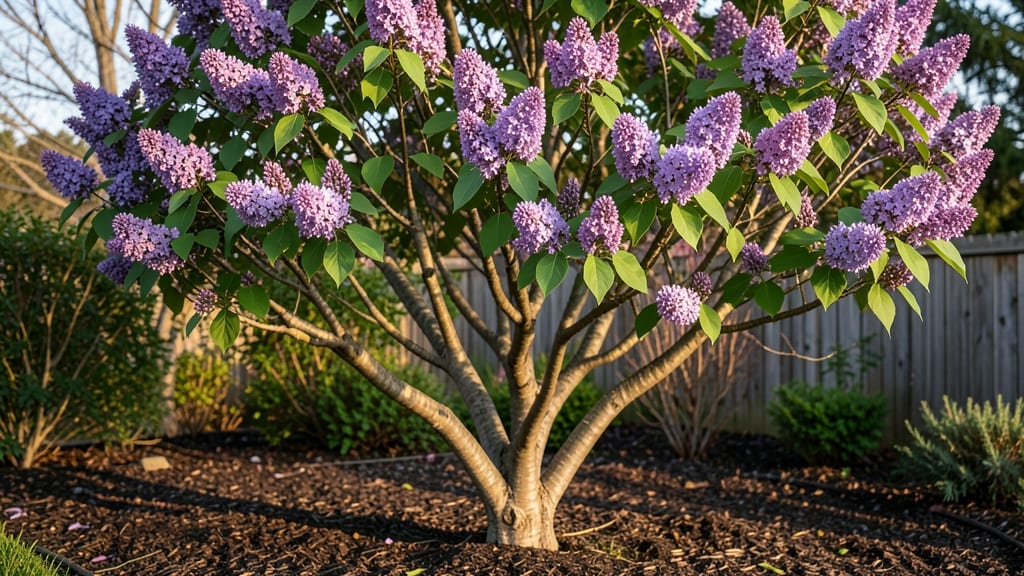
Wondering how tall does a lilac tree grow? Its mature height can range from 3 feet to over 15 feet, depending on the variety and how you prune it 🌸 — and that range is what makes them so versatile for gardens of all sizes.
If you’re dreaming of fragrant purple blooms but wondering whether a lilac tree will dwarf your backyard, you’re not alone—many gardeners hesitate before planting due to size concerns.
The truth? Lilac height varies dramatically by variety, from compact shrubs like Syringa meyeri (which stays under 6 feet) to towering small trees like Syringa vulgaris (which can reach 12–15 feet).
In this guide, I’ll break down the height ranges for popular varieties, share pruning secrets to control growth, and help you pick the perfect lilac for your space—whether you’ve got a cozy container or a sprawling yard.


Lilac tree height by variety: small vs. tall mature sizes
Choosing the right lilac variety depends entirely on your space—some lilacs stay as compact as 3 feet tall, while others stretch toward 15 feet. The classic common lilac (Syringa vulgaris) typically reaches 8–12 feet, making it a statement plant for larger yards.
But if you’re working with limited space, dwarf varieties like 'Little Lila' or 'Meyer' lilacs top out at just 3–5 feet, perfect for containers or small gardens.
Lilac height isn’t just about the variety—soil quality, sunlight, and pruning habits play huge roles. In poor soil or shade, even a standard lilac may stay shorter, while full sun and rich soil can push it taller.
For example, 'Katherine Havemeyer' lilacs thrive in USDA Zones 3–7 and often exceed 10 feet with proper care, while 'Sensation Lilac' stays more restrained at 6–8 feet.
Here’s how to match your garden’s needs to the perfect lilac size—whether you’re dreaming of a fragrant hedge or a single showstopper.
| Variety | Mature Height | Spread | Best For | Pruning Needs |
|---|---|---|---|---|
| Common Lilac (Syringa vulgaris) | 8–12 ft | 6–10 ft | Large gardens, hedges | Moderate (after blooming) |
| 'Little Lila' | 3–5 ft | 3–4 ft | Containers, small yards | Light (shape only) |
| 'Meyer' | 4–6 ft | 4–5 ft | Foundation plantings | Minimal (natural shape) |
| 'Katherine Havemeyer' | 10–15 ft | 8–12 ft | Specimen plant, large landscapes | Heavy (structural pruning) |
| 'Sensation Lilac' | 6–8 ft | 5–7 ft | Medium gardens, borders | Moderate (renewal pruning) |
If you’re worried about a lilac outgrowing its space, pruning is your best tool. The key is timing—always prune right after flowering (late spring/early summer) to avoid cutting off next year’s blooms.
For taller varieties, focus on removing 1/3 of the oldest stems at the base to encourage new, bushier growth. Dwarf lilacs need almost no pruning unless you want to shape them for containers.
For small-space gardens, consider 'Dwarf Korean Lilac (Syringa meyeri)', which stays under 5 feet and blooms prolifically. It’s also drought-tolerant once established, making it low-maintenance. Pair it with lavender or catmint for a fragrant, compact border that won’t overwhelm your patio.
In larger landscapes, 'Katherine Havemeyer' or 'President Lincoln' lilacs (10–15 ft) create dramatic focal points. Plant them 10–15 feet from structures to avoid shading windows or walkways. Their late-spring blooms pair beautifully with peonies or roses for a classic cottage-garden look.
Pro tip: Mulch heavily around lilacs to suppress weeds and retain moisture, which helps control height. A 3-inch layer of wood chips also improves soil drainage—critical for preventing root rot in heavy clay soils.
Remember, lilacs grow slowly in their first few years, so don’t rush to prune. Patience pays off with healthier plants and bigger blooms over time. Whether you choose a 3-foot dwarf or a 15-foot giant, your garden will thank you for the right match!
How to choose the right lilac size for your garden layout
Selecting the perfect lilac for your garden starts with understanding space constraints and design goals. A 6-foot dwarf variety like Syringa meyeri can thrive in small yards or containers, while standard lilacs (10–15 feet) like Syringa vulgaris need room to spread.
Measure your space and prioritize sunlight exposure—lilacs demand full sun (6+ hours daily) to reach their full height and fragrance potential.
For urban gardens or patios, opt for compact lilacs (3–5 feet) like Syringa patula ‘Miss Kim.’ These varieties grow slowly and fit neatly into landscape borders or foundation plantings.
In larger yards, standard lilacs create stunning focal points when planted 10–15 feet apart to allow airflow and prevent disease.
🌸 Lilac Size Quick Guide
| Variety | Mature Height | Best For |
|---|---|---|
| Dwarf Lilac (Syringa meyeri) | 3–5 ft | Containers, small yards, borders |
| Semi-Dwarf (Syringa patula) | 6–8 ft | Medium spaces, hedges, privacy screens |
| Standard (Syringa vulgaris) | 10–15 ft | Large yards, focal points, specimen planting |
💡 Pro Tip: Always check spacing requirements on the plant tag—crowding leads to poor airflow and disease.
Pair your lilac with companion plants that complement its height and fragrance. For dwarf varieties, try lavender or catmint (3–4 feet) to create a sensory garden. Standard lilacs pair beautifully with ornamental grasses like Miscanthus (6–8 feet) or hydrangeas (3–6 feet) to add texture and color contrast.
Long-term care is key to maintaining your lilac’s ideal height. Prune annually after flowering to remove dead or overcrowded branches and shape the plant. Avoid heavy pruning in late summer, as this can reduce next year’s blooms.
Mulch around the base with organic matter (like wood chips) to retain moisture and suppress weeds, which compete for nutrients.
Consider your garden’s long-term vision—will you add a deck or patio near the lilac? Choose a dwarf variety to avoid future shading issues.
If you love the romantic, old-fashioned look of tall lilacs, plant them 15–20 feet from walkways to allow easy maintenance and enjoyment of their fragrant blooms.
Remember, lilacs thrive with minimal fuss once established. Focus on well-draining soil, consistent sunlight, and light pruning to keep them healthy and at your desired height. With the right variety and care, your lilac will become a fragrant centerpiece for decades to come. 🌿