
How To
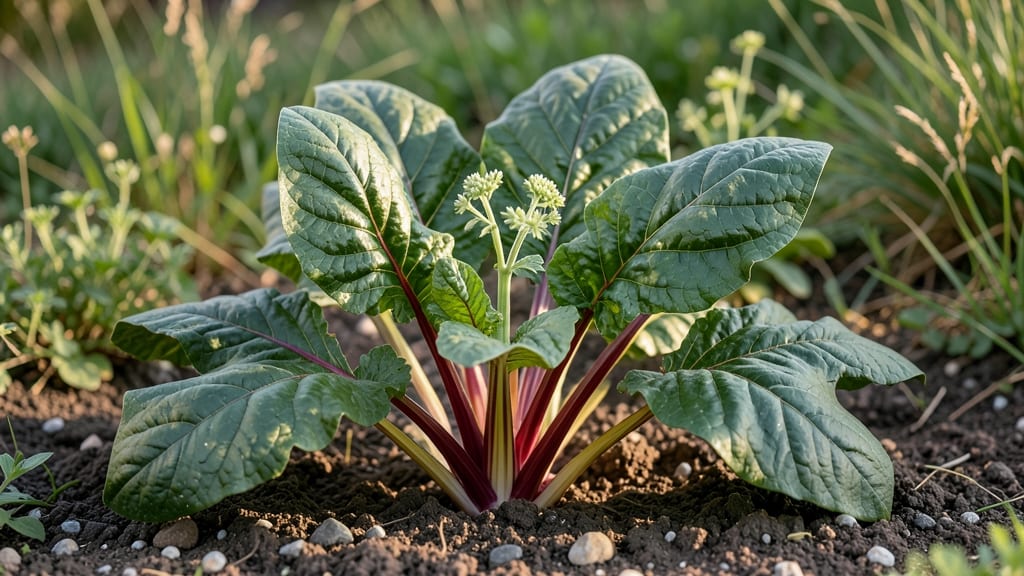
Swiss chard grows between 1 and 3 feet tall, depending on the variety and how you care for it—so your garden layout can be as compact or sprawling as you prefer.
If you’ve ever wondered whether Swiss chard will tower over your garden or stay neatly contained, the answer depends on the variety—and a few clever care tricks. From delicate baby leaves to towering stalks, this leafy green surprises with its versatility.
Some varieties like 'Bright Lights' max out around 12–18 inches, perfect for small spaces, while others like 'Fordhook Giant' can stretch up to 3 feet when given the right conditions. The key? Sunlight, soil, and smart harvesting.
Below, I’ll break down how to choose the right variety for your space, control height with simple pruning, and even troubleshoot why yours might be growing taller (or shorter) than expected.


Swiss chard height by variety: from dwarf to Giant stalks
Swiss chard isn’t just one plant—it’s a family of varieties with dramatically different mature heights. Some stay compact enough for container gardens, while others reach towering 3-foot stalks.
The key difference? Whether you’re growing for tender leaves or thick stems. Let’s break down the most popular types and what to expect from each.
Most gardeners focus on leaf production (cut-and-come-again harvesting), but varieties like Fordhook Giant prioritize thick, edible stalks. Even within leaf-focused types, heights vary by 12 inches or more. Understanding these differences helps you plan spacing, container sizes, and even companion planting layouts.
| Variety | Mature Height | Growth Pattern | Best For |
|---|---|---|---|
| Bright Lights | 12–18 inches | Cut-and-come-again | Colorful leaves |
| Fordhook Giant | 24–36 inches | Stalk-focused | Thick stems |
| Rainbow Chard | 18–24 inches | Cut-and-come-again | Mixed colors |
| Perpetual Spinach | 10–14 inches | Compact leaves | Containers |
| Lucullus | 20–28 inches | Stalk + leaves | Dual harvest |
Take Bright Lights, for example—a favorite for its vibrant rainbow leaves. It tops out at just 12–18 inches, making it perfect for small gardens or containers. In contrast, Fordhook Giant can reach 3 feet tall, with thick, savory stalks that some gardeners prefer over leaves.
This variety needs more space and sturdier support if grown in windy areas.
The Rainbow Chard variety bridges the gap, offering 18–24 inches of height while still producing continuous leaf harvests. It’s a great middle-ground option if you want color without sacrificing space.
For urban gardeners, Perpetual Spinach (10–14 inches) is a dwarf powerhouse, thriving in 5-gallon pots with regular harvesting.
If you’re growing Swiss chard for both leaves and stalks, Lucullus is a standout. Its 20–28-inch height delivers thick stems and abundant greens, making it a versatile workhorse. The trade-off? It requires more frequent watering to maintain both growth types.
Height isn’t just about variety—it’s also about harvesting strategy. If you pinch back the center leaves early, you’ll encourage bushier, shorter growth.
But if you let plants bolt (send up flower stalks), they’ll grow taller fast—sometimes up to 4 feet—though the leaves become bitter and tough. Timing your harvests can keep plants compact or let them reach their full potential.
Pro tip: Fordhook Giant and similar tall varieties benefit from staking or trellising if you’re growing them for stems. Without support, their thick stalks can flop under heavy leaves. For leaf-focused types like Bright Lights, less support is needed—they stay upright naturally due to their shorter stature.
When planning your garden layout, account for mature height + leaf spread. Even dwarf varieties can spread 12–18 inches wide, while tall types like Fordhook Giant may need 18–24 inches of space between plants. Crowding leads to poor airflow, increasing fungal risks like leaf spot.
For container growing, stick to dwarf or semi-dwarf varieties (under 20 inches). A 5-gallon pot works for Bright Lights or Rainbow Chard, but Fordhook Giant needs at least a 10-gallon container to avoid root-bound stress.
Always use well-draining soil mixed with compost to encourage compact, healthy growth.
How to control Swiss chard height: pruning, spacing & soil secrets
Swiss chard’s height isn’t set in stone—it’s shaped by your hands. Whether you want compact baby leaves or tall, sturdy stalks, the right techniques make all the difference.
Start by understanding how spacing and soil nutrients influence growth patterns. Too much nitrogen? Expect leggy, floppy plants. Too little? Stunted, slow growth.
For baby leaf harvests, the secret is timing. Begin picking outer leaves when they reach 4–6 inches long. This encourages bushier growth and prevents the plant from bolting.
If you’re growing Swiss chard for its thick, colorful stalks, let it mature—just avoid overcrowding, which forces plants to compete for sunlight and nutrients.
- 1 Space plants 10–12 inches apart to prevent overcrowding, which stunts height and weakens stalks.
- 2 Harvest outer leaves at 4–6 inches to encourage bushier, shorter growth and delay bolting.
- 3 Use balanced fertilizer (5-10-10) every 4–6 weeks to avoid nitrogen-heavy legginess.
- 4 Prune yellowing or damaged leaves to redirect energy to new, healthy growth.
- 5 Avoid overwatering, which weakens stems and encourages fungal diseases that stunt growth.
Soil plays a starring role in Swiss chard’s height. Amend your beds with compost or aged manure to improve drainage and nutrient availability. Heavy clay soils? Mix in sand or perlite to prevent waterlogging, which can lead to weak, spindly plants.
If your soil is nutrient-poor, a side dressing of compost mid-season will give your chard the boost it needs to grow taller and stronger.
One common mistake gardeners make is planting too densely. Swiss chard needs room to breathe—literally. When plants are crammed together, they stretch toward the sun, becoming leggy and weak.
If you’re growing in containers, choose dwarf varieties like ‘Bright Lights’ and space them 8–10 inches apart to keep them compact. For taller varieties like ‘Fordhook Giant,’ give them 12–18 inches of space to reach their full potential.
Pruning isn’t just for shaping—it’s a tool to control height. When you see bolting (flowering stalks), snip them immediately. Bolting signals the end of the plant’s productive life, and once it starts, the leaves become bitter and tough.
Regular pruning also encourages lateral growth, giving you more leaves per plant without sacrificing height. Just remember: never cut more than one-third of the plant at once, or you’ll shock the roots.
With these techniques, you’ll master Swiss chard’s height—whether you’re aiming for a neat, low-growing border or a towering harvest of vibrant stalks. The key is balance: spacing, soil, and selective harvesting work together to give you the perfect plant for your garden goals. 🌱