
Companion Plants
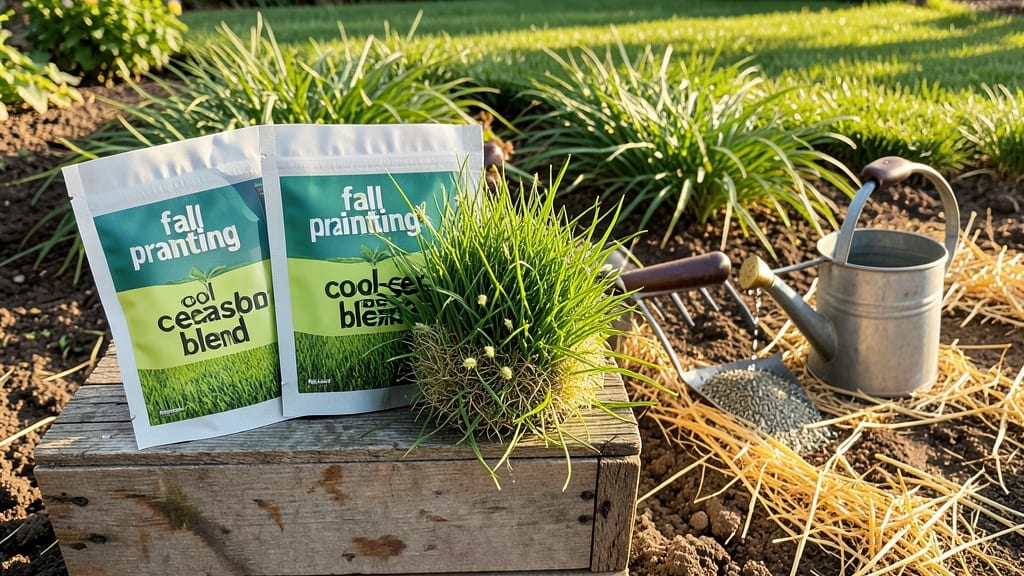
Planting grass seed in the fall is the perfect way to get a head start on a lush lawn, but timing is everything.
Fall is the ideal season for planting grass seed—if you time it right, you’ll enjoy a lush, resilient lawn by spring. But planting too early or too late can leave your seeds vulnerable to frost or weeds. Here’s exactly when to plant for maximum success.
Most regions in the USDA Zone 6a should aim for late summer to early fall, roughly 4-6 weeks before the first frost. That means if your first frost hits around mid-October, you’ll want to get your grass seed in the ground by early September.
This window ensures the roots have time to establish before winter dormancy kicks in.
In this guide, you’ll discover how to read your local climate, prepare your soil for success, and avoid common mistakes that can turn your fall planting into a springtime gamble. Let’s get started!
Best fall months to plant grass seed for optimal root growth
Timing your grass seed planting in the fall is all about giving those tiny seeds the perfect window to establish strong roots before winter dormancy. The ideal soil temperature for germination is between 50°F and 65°F, which typically aligns with late summer to early fall in most regions.
Planting too early exposes seeds to drought stress, while waiting too long risks frost damage before roots take hold.
Your USDA hardiness zone plays a critical role in determining the best window. Northern climates (Zones 3-5) should aim for late August to mid-September, while Southern regions (Zones 7-10) can extend planting until early November.
The key is to plant 4-6 weeks before your first frost date to ensure roots have time to develop before winter slows growth.
Here’s how to adjust your planting schedule based on your climate zone and local frost patterns:
If you’re in a transition zone (like Zones 6-7) where fall weather can be unpredictable, err on the side of planting earlier rather than later. A soil thermometer is your best friend here—wait until daytime temperatures consistently stay above 60°F and nighttime temps don’t dip below 50°F.
This ensures seeds won’t dry out or freeze before sprouting.
For cool-season grasses like Kentucky bluegrass and fescue, fall planting is especially critical because they rely on cooler temperatures to establish. These varieties grow best when daytime highs are between 60°F and 75°F, which is perfect for most fall conditions.
Warm-season grasses like Bermuda or Zoysia, however, should only be planted in early fall (September) if you’re in a mild climate—they struggle with winter dormancy.
One common mistake is planting when weed pressure is high. Late fall (October-November) can still be viable in warmer zones, but weeds like crabgrass and chickweed may outcompete your grass seeds.
Always pre-treat with herbicide 2-3 weeks before planting if weeds are a concern, then apply a pre-emergent after germination to prevent new weeds from sprouting.
Pro tip: If you miss the ideal window, you can still plant in early spring, but expect slower growth and more weed competition.
Fall-planted grass typically enters winter with a 3-4 inch root system, giving it a huge advantage over spring plantings, which often struggle with summer heat and drought. The extra root growth means your lawn will bounce back faster in spring and handle stress better.
Remember, the 4-6 week rule before frost is your golden guideline. Check your local National Weather Service for historical frost dates, then count backward. If you’re unsure, it’s better to plant a little early—you can always cover new seedlings with frost cloth if temperatures drop unexpectedly.
With the right timing, your fall-planted grass will reward you with a thicker, greener lawn next season.
How to prepare your soil and seed for fall planting success
Fall planting gives your grass seed a head start on root growth before winter, but success starts with soil prep. Begin by testing your soil pH—most grasses thrive in a range of 6.0 to 7.0.
A simple home test kit or local extension office can provide accurate results. If your soil is too acidic or alkaline, adjust it with lime (to raise pH) or sulfur (to lower pH) 2-3 weeks before planting.
Next, focus on soil aeration to improve seed-to-soil contact. Rent a core aerator or use a manual aerator to create small holes in compacted soil. This step is crucial for cool-season grasses like Kentucky bluegrass or fescue, which need loose soil to establish strong roots.
Aerate when the soil is slightly moist but not soggy for best results.
Weed control is another critical step. Pull existing weeds by hand or apply a pre-emergent herbicide designed for lawns. Avoid post-emergent herbicides, as they can harm new grass seedlings. For organic options, use a thick layer of mulch or straw to smother weeds while retaining moisture in the soil.
Now, let’s talk seed selection. Cool-season grasses dominate fall planting, including tall fescue, perennial ryegrass, and fine fescue. These varieties handle cooler temperatures and establish roots before winter dormancy.
Warm-season grasses like Bermuda or Zoysia can still be planted in late summer (August) in warmer climates, but they require faster germination times.
- Step 1: Test soil pH and adjust to 6.0-7.0 using lime or sulfur.
- Step 2: Aerate soil to 1-2 inches deep for better seed contact.
- Step 3: Remove weeds with pre-emergent herbicide or manual pulling.
- Step 4: Choose cool-season grass seed for fall planting (e.g., fescue, ryegrass).
- Step 5: Spread seed evenly at 4-6 lbs per 100 sqft for full coverage.
- Step 6: Lightly rake soil to 1/4 inch depth and water gently to settle seeds.
After selecting your seed, spread it evenly across the prepared soil. Use a broadcast spreader for large areas or a hand-held spreader for smaller patches. Aim for 4-6 pounds of seed per 100 square feet, adjusting slightly based on your grass type.
Lightly rake the soil to cover seeds with a 1/4-inch layer of dirt—this protects them from birds and wind while allowing sunlight to reach the soil surface.
Finally, moisture management is key to germination. Water the soil lightly after planting to settle seeds, then maintain 1 inch of water per week (or daily light watering for the first 2 weeks).
Avoid overwatering, which can wash seeds away or cause disease. Mulch with straw to retain moisture and suppress weeds, and avoid heavy foot traffic until the grass reaches 3-4 inches tall.
With these steps, your fall-planted grass will have the best chance to establish deep roots before winter, giving you a thicker, greener lawn come spring. 🌱