
Plants
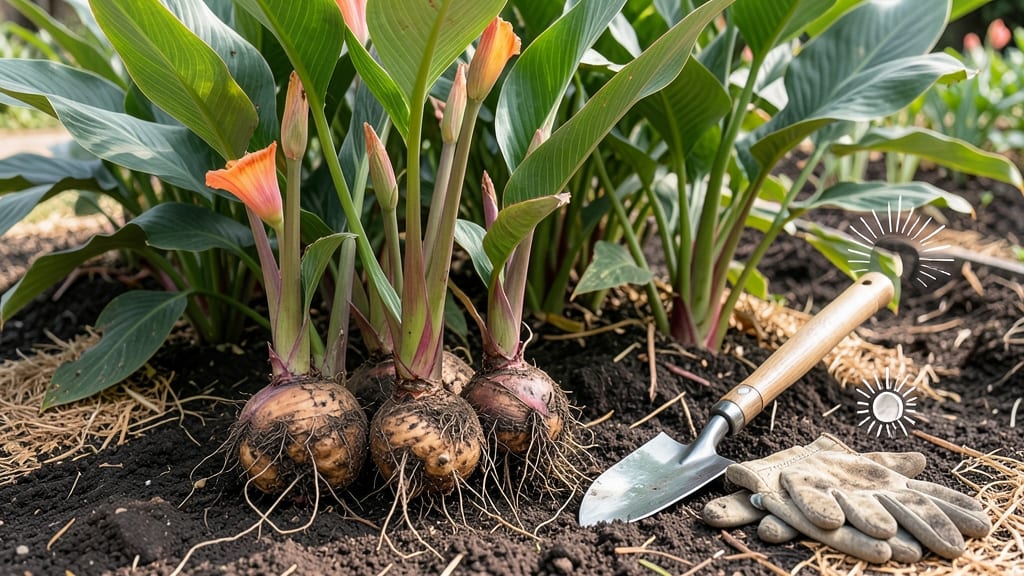
Plant canna bulbs in Texas after the last frost date, when soil temperatures hit 50°F-60°F—usually March to May depending on your region.
Texas gardeners know the struggle—planting canna bulbs too early risks frost, while waiting too long means missing the bold, tropical blooms you crave. Timing these heat-loving beauties right can turn your garden into a fiery summer showstopper.
In USDA zones 8a-10b, soil warms fast, but a late cold snap can still sneak in. The key is waiting for consistent daytime highs above 60°F—that’s your cue to get those 🌺 bulbs in the ground.
Below, I’ll break down the exact planting windows by Texas region, soil prep secrets, and how to keep your cannas thriving through our brutal summers—so you get fast, vibrant blooms from first leaf to last frost.
Texas canna bulb planting timeline: soil temperature rules for success
Texas gardeners know the struggle—planting canna bulbs too early risks frost, while waiting too long means missing the bold, tropical blooms you crave. Timing these heat-loving beauties right can turn your garden into a fiery summer showstopper.
The key? Understanding soil temperature thresholds and regional planting windows that protect your cannas from frost damage while maximizing their growth potential.
Canna bulbs (also called tubers) thrive when soil temperatures consistently stay above 50°F—this is your critical planting trigger. In Texas, where frost dates vary dramatically from North Texas to South Texas, knowing your exact zone ensures you plant at the perfect moment.
Miss this window, and you’ll either risk early frost damage or delay the stunning summer blooms you’re dreaming of.
Here’s the game-changer: Soil temperature matters more than air temperature. Use a soil thermometer to confirm your garden bed has reached 50°F-60°F before planting.
In Houston and South Texas, this often means planting as early as February, while Dallas and North Texas gardeners should wait until mid-April or later. West Texas is even more extreme, with ideal planting times in late April or May.
Let’s break down the exact planting windows for each Texas region, so you can align your canna bulbs with the perfect soil conditions for their tropical roots.
Now that you’ve got your regional planting window, let’s talk soil prep. Cannas love rich, well-draining soil with a pH between 6.0-7.0. Before planting, amend your soil with compost or aged manure to improve fertility.
If your soil drains poorly, mix in sand or perlite to prevent root rot, a common issue in Texas’ heavy clay soils.
Plant your canna tubers 2-4 inches deep, spacing them 12-18 inches apart for dwarf varieties or 24-36 inches apart for standard-sized cannas. The deeper you plant, the more stable your plants will be—critical in Texas’ summer storms and high winds.
Water deeply after planting to settle the soil and encourage root growth.
Here’s a pro move: Mulch immediately after planting with 3-4 inches of organic mulch (like straw or shredded leaves). This keeps soil temperatures consistently warm, suppresses weeds, and retains moisture—all critical in Texas’ dry heat.
In South Texas, mulching also helps combat fungal diseases that thrive in humid conditions.
Once your cannas are in the ground, monitor soil moisture closely. Cannas need 1-2 inches of water per week, but in West Texas, you may need to water every 2-3 days during peak summer heat.
The key is deep watering—aim for the roots, not just the leaves, to prevent leaf scorch and bacterial spots.
Finally, don’t forget to protect your cannas from late frosts. Even in South Texas, a cold snap in November can damage new growth. If frost is forecasted, cover your cannas with frost cloth or move potted plants to a sheltered location.
With the right timing, your cannas will reward you with vibrant blooms from June through October—a true Texas garden showstopper!
5 Pro tips to extend your canna blooms in Texas heat
Texas summers can turn your canna bulbs into crispy souvenirs if you're not careful. But with the right strategies, you can keep those bold tropical blooms thriving until the first frost. The key? Combating heat stress while maximizing moisture retention and shade.
First, focus on mulching techniques that shield roots from extreme temperatures. A 3-inch layer of organic mulch like pine straw or wood chips keeps soil cool and retains moisture—critical when temps hit 100°F+. This simple step can extend your blooming season by 4-6 weeks.
Next, adjust your watering schedule to match Texas' brutal heat. Instead of light daily sprinkles, give your cannas a deep soak every 3-4 days at the soil level (not the leaves).
This encourages deep root growth and reduces fungal risks. Use a soaker hose or drip irrigation to deliver water slowly and efficiently.
For shade solutions, consider temporary covers like 30-50% shade cloth during the hottest afternoon hours (12 PM - 4 PM). This protects your cannas from heat stress while still allowing plenty of sunlight for photosynthesis.
You can also plant taller, fast-growing annuals like sunflowers or corn nearby to provide natural shade.
Don’t forget about bulb care hacks! After the first frost, dig up your tubers and store them in a cool, dry place until spring. Before replanting, soak the tubers in lukewarm water for 24 hours to encourage faster regrowth.
This simple step can give you a 2-week head start on blooms the following season.
Finally, choose drought-resistant varieties like 'Australia' or 'Durban' cannas, which handle Texas heat better than traditional types. These varieties produce vibrant blooms even with less water and still thrive in full sun. Pair them with mulch and shade, and you’ll have cannas flowering until the first frost—or even later!