
Plants
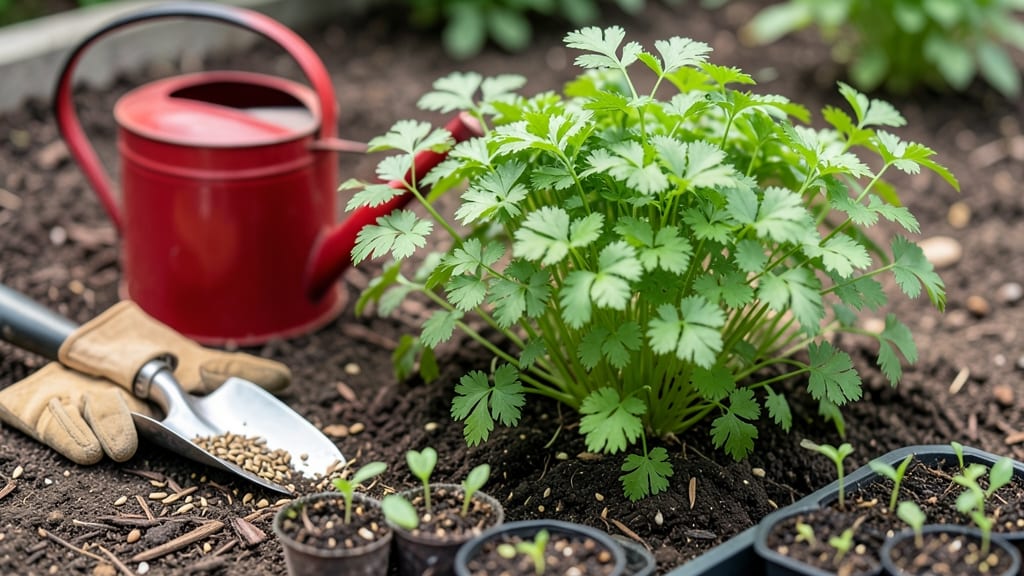
To plant cilantro in Florida, aim for the cool-season slots of fall, winter, and early spring when temperatures stay below 80°F—the sweet spot for avoiding bolting and bitter flavors.
Florida’s scorching summers can turn cilantro from a fresh herb into a bitter, bolting nightmare—but timing your planting right unlocks bold flavor all season long.
Most Florida gardeners swear by September through March as the prime window, but regional microclimates matter. North Florida’s cooler nights in winter may let you push cilantro into early spring, while South Florida’s humidity demands extra shade even in fall.
Below, I’ll break down the exact temperature thresholds, shade strategies, and companion plants that keep your cilantro thriving—no bitter surprises included.
Best planting times for cilantro in Florida’s cool-season zones
Florida’s two ideal windows for cilantro—fall and winter—offer the perfect balance of cool temperatures and long daylight hours to prevent bolting. Unlike many northern states, Florida’s frost-free climate means we focus on avoiding summer heat rather than winter freezes.
The key is planting when daytime highs stay below 80°F and nights dip below 70°F.
For North Florida (Zones 8a-9a), your best bets are September through March, with October and February being peak months. Central Florida (Zones 9b-10a) can extend this slightly to August through April, while South Florida (Zones 10b-11) has a longer window—July through May—but requires extra shade during summer months.
These regional differences matter because even a 5°F temperature shift can mean the difference between lush cilantro and bitter bolts.
Why these windows work: Cilantro thrives in 60-75°F conditions. When temperatures creep above 85°F, it bolts rapidly, turning your herb into a flowering weed within weeks. Florida’s humidity and heat accelerate this process, making timing critical. The good news? With the right strategies, you can extend your harvest into late spring or even summer with shade cloth.
Here’s your Florida-specific planting calendar broken down by region, including temperature thresholds and frost risk (yes, even Florida gets light frosts in North Florida!):
| Region | Best Planting Window | Ideal Soil Temp (°F) | Daytime Highs (°F) | Frost Risk | Shade Needs |
|---|---|---|---|---|---|
| North Florida (Zones 8a-9a) | September–March | 65–75°F | 70–80°F | Light frost possible Dec–Feb | 30–50% shade in summer |
| Central Florida (Zones 9b-10a) | August–April | 68–78°F | 75–85°F | Minimal frost risk | 40–60% shade in summer |
| South Florida (Zones 10b-11) | July–May | 70–80°F | 80–90°F (with shade) | None | 50–70% shade year-round |
In North Florida, your first planting should go in late August to early September to beat the summer heat. By mid-October, cilantro will be established enough to handle cooler nights without bolting.
For winter harvests, plant again in mid-January to enjoy fresh cilantro through March. Just be prepared for light frosts—cover plants with frost cloth if temperatures dip below 32°F.
For Central Florida, you’ve got more flexibility. Start your fall crop in August and your winter crop in December for a year-round supply. The trick here is succession planting: sow new seeds every 2–3 weeks to ensure a continuous harvest.
This works especially well in container gardens, where you can rotate plants as needed.
If you’re in South Florida, you can push the envelope further. Plant in late June for a summer crop, but mandatory shade cloth is a must—aim for 50–70% shade to keep temps below 85°F.
Your peak season runs from September through April, with minimal bolting risk. Pro tip: Use white shade cloth to block UV rays while still allowing indirect light.
To extend your cilantro season, try these Florida-specific hacks: 1. Shade cloth (30–50%) during summer months 2. Drip irrigation for consistent moisture 3. Succession planting every 3 weeks 4. Container growing for mobility (move pots to shade as needed) 5. Slow-bolting varieties like ‘Calypso’ or ‘Santo’
Remember, cilantro’s bolting trigger isn’t just heat—it’s stress. Whether from drought, overcrowding, or nutrient deficiencies, stressed plants bolt faster. Keep your soil moist but not soggy, and harvest outer leaves first to encourage bushier growth.
With these strategies, you’ll enjoy bold, fresh cilantro for months instead of weeks!
🌿
How to avoid cilantro bolting in Florida’s heat: pro tips for success
Florida’s summer heat forces cilantro to bolt—turning your fresh herb into a bitter, flowering mess. The key to success lies in soil moisture control, strategic shade, and choosing the right heat-tolerant varieties.
Unlike cooler climates, Florida’s year-round growing season demands extra care to keep cilantro lush and flavorful.
Cilantro bolts when stressed by heat or drought, triggering its natural flowering response. In Florida, temperatures above 80°F consistently push cilantro to bolt within 3-4 weeks. The solution? Combine shade cloth, consistent watering, and companion planting to create a cooler microclimate for your plants.
🌿 Heat Tolerance Strategies for Cilantro
✅ DO
- Use shade cloth (30-50%) to block midday sun
- Plant heat-tolerant varieties like 'Slow Bolt' or 'Calypso'
- Water deeply 2x daily in extreme heat (morning + evening)
- Mulch heavily with straw to retain moisture
- Companion plant with basil or lettuce for shade
❌ DON'T
- Avoid full sun exposure during peak hours (10 AM-4 PM)
- Don't let soil dry out—cilantro wilts quickly in heat
- Skip heavy fertilizing in summer (nitrogen triggers bolting)
- Don't plant in summer without shade solutions
- Avoid overcrowding—space plants 6-8 inches apart
For variety selection, 'Slow Bolt' cilantro stays productive 2-3 weeks longer in heat than standard varieties. 'Calypso' cilantro, bred for heat tolerance, handles Florida’s 90°F+ days better than traditional types. Test both in your garden—some Florida gardeners report 50% longer harvests with these varieties during summer planting attempts.
Companion planting works wonders in Florida’s heat. Pair cilantro with bush beans or lettuce to create natural shade. The beans provide partial shade while fixing nitrogen in the soil, and lettuce’s shallow roots help retain moisture.
This trio thrives in Florida’s partial shade conditions while keeping cilantro cool enough to avoid bolting.
Morning watering is critical—1-2 inches of water weekly (daily in summer) prevents stress. Use drip irrigation to keep leaves dry, reducing fungal risks. Mulch with 2-3 inches of straw to lock in moisture and regulate soil temperature.
These simple steps can extend your cilantro’s productive life by 4-6 weeks during Florida’s shoulder seasons.
Remember: Even with perfect care, cilantro will eventually bolt in Florida’s heat. The goal is to delay bolting long enough for multiple harvests. Start seeds every 2-3 weeks in fall/winter for continuous fresh cilantro, and embrace summer cilantro as a short-term heat challenge rather than a long-term crop.
With these strategies, you’ll enjoy fresh cilantro year-round—just on your own terms. 🌱