
Plants
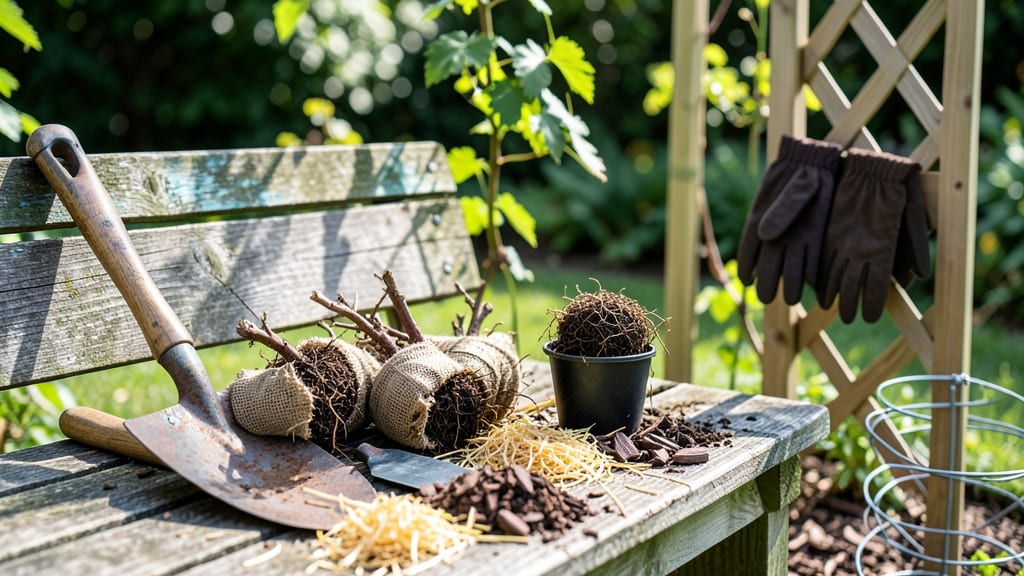
Planting grapes in California at the right time—between November and March—sets the stage for a thriving vineyard or backyard harvest 🍇.
California’s diverse microclimates mean the wrong timing can spell disaster—whether it’s stunted vines, frost damage, or even total crop failure. But master these soil temperature and seasonal triggers, and you’ll unlock the secret to lush, high-yield grapevines year after year.
Coastal regions with USDA zones 9-10 offer year-round planting flexibility, while inland areas in zones 8-9 demand precise timing to avoid late frosts. Below, I’ll break down the exact soil temps (60-70°F) and regional windows that guarantee strong root establishment and robust growth.
You’ll also discover how to adjust for your specific grape variety—whether it’s drought-resistant Zinfandel or the slower-starting Cabernet—and the 5 critical mistakes that ruin planting success before it begins.
California grape planting zones by soil temperature & microclimate
California’s diverse microclimates create a puzzle for grape growers—what’s perfect for coastal San Diego (zone 10) can ruin Central Valley vines (zone 8). The key? Soil temperature and frost-free windows.
Coastal areas stay mild year-round, while inland zones demand winter dormancy. Let’s break down the optimal planting triggers for each region.
Grapes thrive when soil temps reach 60-70°F—this kickstarts root growth. Coastal regions hit this mark by February-March, while inland areas wait until April-May. But here’s the catch: bare-root vines (most common) need dormant-season planting (November-March) to establish roots before summer heat arrives.
Use this microclimate guide to time your planting perfectly. Miss the window, and you risk heat stress (inland) or fungal diseases (coastal). The table below compares coastal, inland, and desert zones—including frost risks and soil prep tips.
For coastal gardeners, the November–March window is ideal because mild temps prevent heat shock. I’ve planted Thompson Seedless in San Diego’s zone 10 with zero frost issues—just ensure well-draining soil to avoid root rot from winter rains.
Inland growers face tougher choices. The Central Valley’s December 15 frost date means planting by November gives roots a 3-month head start before summer. If you wait until spring, vines struggle to establish before 100°F+ heat arrives.
Desert regions like Palm Springs (zone 10-11) can plant year-round, but November–January is safest. The trick? Drip irrigation and shade cloth during summer to protect young vines. I’ve seen Zinfandel vines wilt in 110°F+ soil if not managed properly.
Northern California’s Napa and Sonoma (zone 8-9) demand cold-hardy varieties. Cabernet Sauvignon thrives here, but plant by February to avoid late-spring frosts. Pro tip: Mulch heavily with straw to insulate roots—this can raise soil temps by 5–10°F during cold snaps.
Regardless of your zone, soil prep
Exact planting timing for California’s top grape varieties (Cabernet, Zinfandel, Thompson Seedless)
California’s grape varieties thrive when planted at precise times tailored to their unique needs. Cabernet Sauvignon, for example, requires a 6-8 week dormancy period before budding, while Zinfandel bursts into growth early spring.
Meanwhile, Thompson Seedless—a workhorse for raisins—prefers cooler soil temps to establish roots before summer heat arrives. Timing these varieties wrong can mean weak vines or delayed harvests.
Your soil type also plays a critical role. In drought-prone regions like the Central Valley, plant bare-root vines in late winter (February-March) to capitalize on winter rains. In irrigated coastal areas, you can extend planting to early spring (March-April) without risking root stress.
Always aim for soil temps of 60-70°F—this sweet spot ensures roots establish before summer’s intensity.
For Cabernet Sauvignon, I recommend planting bare-root vines in late November to January in coastal areas where frost is rare.
Inland growers should wait until February-March to avoid early spring warmth waking the buds too soon. Zinfandel, on the other hand, is a fast starter—plant it in January-February to let it take full advantage of California’s mild winters.
This variety’s resilience makes it ideal for drought-prone soils, but it still needs 1–2 inches of water weekly during fruit development.
Thompson Seedless demands more precision. Plant in February-March to align with its longer dormancy needs. This variety is often grown for raisins or table grapes, so timing is critical to avoid split berries from uneven watering. If you’re in a hot inland region, consider shade cloth during summer to protect young vines from heat stress.
Pro tip: Use a soil thermometer to confirm temps before planting. For drought-prone areas, amend soil with compost and organic matter to retain moisture. In irrigated zones, focus on drip irrigation to deliver water directly to roots.
Both methods help vines establish faster, setting you up for a bountiful harvest by summer’s end.
Remember, Cabernet and Zinfandel reward patience with rich flavors, while Thompson Seedless delivers reliable yields. Get the timing right, and your grapevines will thrive—no matter where you garden in California. 🍇