
Trees
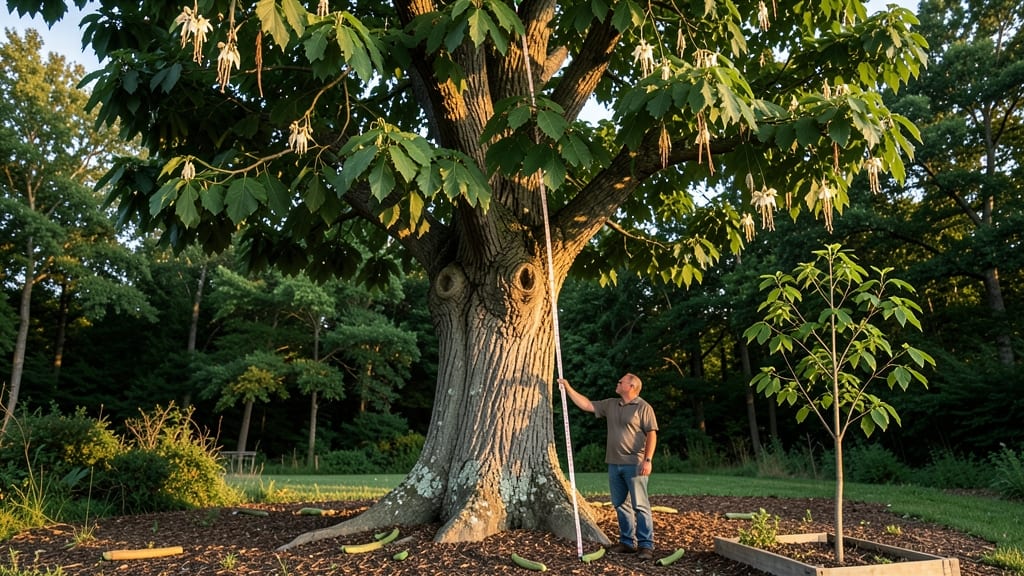
Wondering how tall do catalpa trees grow? These fast-growing shade trees can reach heights between 30 and 70 feet at maturity, making them one of the fastest-growing options for adding towering beauty to your landscape—though their final size depends entirely on the variety and growing conditions.
If you're dreaming of a towering shade tree but have limited space—or simply curious about the sky-reaching potential of catalpa trees—you're in the right place.
These giants can become both a backyard centerpiece and a wildlife magnet, but their mature height varies dramatically by variety, from compact options under 30 feet to towering specimens that dwarf even the tallest two-story homes.
Northern catalpas (Catalpa speciosa) typically reach 40 to 60 feet, while Southern catalpas (Catalpa bignonioides) often max out around 30 to 50 feet.
Hybrid varieties can push even higher, especially in ideal conditions with full sun and well-draining soil, where they grow 2 to 3 feet per year in their early decades.
Below, we break down the fastest-growing varieties, how to choose the right size for your space, and the key factors—like sunlight, soil, and pruning—that can either help your catalpa reach its full potential or keep it in check. Ready to plan your perfect shade tree?


Catalpa tree height guide: mature size ranges by fastest-growing varieties
Catalpa trees are among the fastest-growing shade trees, often reaching their mature height within 15–20 years. Their towering presence makes them a stunning addition to landscapes, but their final size depends heavily on the species and cultivar you choose.
Northern Catalpa (Catalpa speciosa) and Southern Catalpa (Catalpa bignonioides) are the most popular, with hybrids offering intermediate heights and growth rates. If you're planning for long-term shade or wildlife habitat, understanding these variations is key to making the right selection.
The fastest-growing catalpa varieties can shoot up 2–3 feet per year under ideal conditions, but their mature heights range dramatically. Some varieties top out at 30–40 feet, while others soar to 70 feet or more.
This variation means you can find a catalpa that fits everything from suburban yards to rural properties. Let’s break down the specifics so you can choose the perfect fit for your space and goals.
The Northern Catalpa is the tallest variety, often reaching 70 feet in ideal conditions, making it perfect for rural properties or as a windbreak. Its rapid growth rate means it can provide shade within a decade, but its massive size requires ample space.
If you're in a USDA Zone 4–8, this variety thrives with minimal care once established, though it prefers well-draining soil to avoid root rot.
For smaller spaces, the Southern Catalpa is a better fit, typically maturing between 30–50 feet. It’s also more adaptable to urban environments and handles heat and humidity better than its northern cousin. Varieties like 'Nana' and 'Little Girl' are compact options, ideal for suburban yards or large containers.
These dwarf varieties grow at a slightly slower pace (1.5–2 feet per year) but still deliver the signature catalpa beauty in a smaller package.
If you love the look of purple foliage, the Purple Leaf Catalpa is a stunning choice, reaching 40–50 feet while adding year-round color interest. Its growth rate is similar to the Northern Catalpa, but its ornamental value makes it worth the space.
Plant this variety where you can enjoy its vibrant leaves and fragrant summer blooms from a distance, as its height can make pruning challenging over time.
One of the biggest factors influencing catalpa height is pruning practices. Young catalpa trees respond well to formative pruning to encourage a stronger structure, but avoid heavy pruning once they reach maturity. Over-pruning can stunt growth and weaken the tree, leading to reduced height potential.
Instead, focus on removing dead or diseased branches and shaping the tree in its early years to guide its growth trajectory.
Soil quality also plays a critical role in determining how tall your catalpa will grow. These trees prefer moist, well-draining soil with a slightly acidic to neutral pH (6.0–7.0). If your soil is heavy clay or overly sandy, amend it with compost or organic matter
How to choose a Catalpa variety based on space and growth rate
Selecting the right catalpa variety depends entirely on your available space and how quickly you want shade. While standard catalpa trees can reach 50–70 feet tall, some compact varieties stay under 20 feet—making them perfect for smaller yards or urban gardens.
I’ve learned the hard way that planting a full-size catalpa too close to power lines or neighboring homes leads to costly pruning battles later!
Your first decision should be between Southern Catalpa (Catalpa bignonioides), which grows slightly faster (3–4 feet per year), and Northern Catalpa (Catalpa speciosa), known for its larger leaves and slightly slower but steady growth.
Both species offer dwarf cultivars, but their mature heights still require thoughtful planning for long-term growth.
- 🌱 Under 20 feet: 'Nana' (Southern Catalpa) stays compact at 15–20 feet, ideal for tight spaces or container planting.
- 🌳 30–40 feet: 'Aurea' (Northern Catalpa) reaches 35–40 feet with golden foliage—perfect for medium yards.
- 🌲 50+ feet: Standard 'Purple Leaf' (Southern Catalpa) grows 50–70 feet, needing ample open space.
- ✂️ Pruning tip: Prune young catalpas in late winter to control height; remove 1/3 of new growth annually if needed.
- 📏 Spacing rule: Allow 30–50 feet between trees to prevent root competition and ensure full canopy development.
If you’re working with limited space, consider container-growing dwarf varieties like 'Nana,' which can thrive in large pots for 3–5 years before transplanting. Just remember: even dwarf catalpas need full sun and well-draining soil to reach their potential height.
I once tried growing 'Nana' in partial shade—it grew, but the leaves turned sparse and yellow.
For faster shade, prioritize Southern Catalpa varieties like 'Purple Leaf' or 'Little Leaf,' which grow 2–3 feet per year. These are my go-to recommendations for clients eager to see quick results. Pair them with mulch to retain moisture and watch them shoot up in no time!
When planting, always account for the tree’s spread (30–50 feet wide)—catalpas develop wide canopies that need room to breathe. I’ve seen too many gardeners plant them too close to fences or driveways, only to regret it when the branches start encroaching.
Give your catalpa the space it deserves from day one!
For pruning, focus on structural shaping in early spring before new growth begins. Remove any dead, crossing, or inward-growing branches first, then thin the canopy to improve airflow. I’ve found that annual light pruning keeps catalpas healthier and more manageable over time.