
Plants
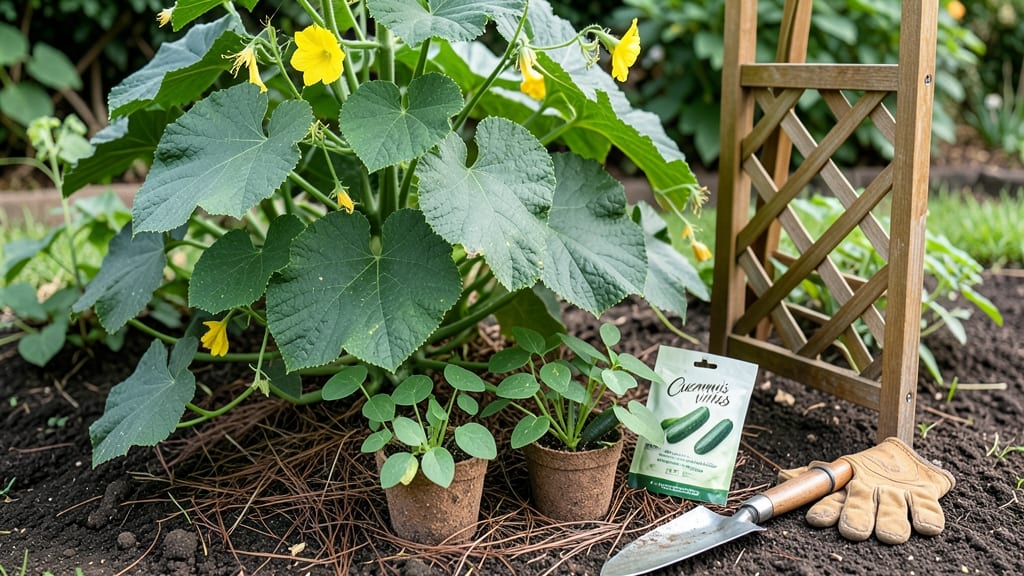
Planting cucumbers in Pennsylvania after your last frost date — typically between April 15 and June 1 — is the key to avoiding frost damage and maximizing your harvest.
Picture this: you’ve waited all winter, and now your garden is ready for 🥒 cucumbers to thrive. But if you plant too soon, a late frost can wipe out your vines before they even take root.
And if you wait too long, the summer heat arrives just as your plants are struggling to establish. The right timing means the difference between a bountiful harvest and a disappointing season.
Pennsylvania’s climate varies widely from the cooler 5b zones in the north to the warmer 7a regions in the south, so your exact planting window depends on where you live. Whether you’re in Philadelphia, Pittsburgh, or Erie, knowing your local frost dates and soil temperatures is critical.
The good news? With the right strategy, you can extend your growing season and enjoy fresh cucumbers from June through September.
In this guide, I’ll walk you through the exact frost-free timeline for your region, how to adjust for Pennsylvania’s unpredictable weather, and the best methods for starting seeds indoors or direct-sowing outdoors.
By the end, you’ll know exactly when to plant cucumbers in Pennsylvania to ensure a thriving garden and a harvest you’ll be proud of.
Pennsylvania’s cucumber planting zones & frost-free dates by region
Pennsylvania’s USDA hardiness zones 5b-7a create diverse microclimates that drastically affect cucumber planting windows. In Erie’s cooler zone 5b, gardeners wait until mid-May, while Philadelphia’s zone 7a allows early April starts. These differences mean your last frost dates can vary by 3+ weeks across the state.
For cucumbers, soil temperature matters more than air temperature. Wait until the ground reaches 55°F+ (use a soil thermometer) before planting. Cold soil slows germination and invites fungal diseases.
In Pittsburgh’s zone 6a, this typically aligns with May 1-15, while Harrisburg’s zone 6b often hits this mark by April 25-May 5.
Microclimates add another layer of complexity. A south-facing slope warms 1-2 weeks earlier than a shady valley. Urban areas like Philadelphia may experience heat islands that allow earlier planting, while rural Appalachian foothills often stay cooler. Always scout your specific garden location for 3-5 days before planting.
Here’s your regional planting calendar with frost-free dates and soil temperature thresholds for Pennsylvania’s major growing areas:
For northern PA gardeners in zones 5a-5b, consider black plastic mulch to warm soil 2-3 weeks earlier. Lay it down 2 weeks before planting to create a microclimate. In southern PA’s zone 7a, you can even try early April sowings under row covers for a head start.
Direct sowing is best for cucumbers, but transplants work in a pinch. If you start seeds indoors, wait until soil temps are 60°F+ and night temps stay above 50°F before moving plants outdoors. Harden them off for 7-10 days first to prevent transplant shock.
Pro tip: Use bush varieties like ‘Bush Champion’ in cooler regions—they mature 5-7 days faster than vining types. For longer harvests, stagger plantings every 10-14 days from May through June. This ensures continuous cucumber production through August.
Remember that first frost dates in Pennsylvania typically arrive October 10-20, giving you 165 frost-free days. Plan your harvest schedule to finish by September 15 in most regions to avoid bitter, seedy cucumbers from late-season heat stress.
Always check your local weather forecasts the week before planting. A late frost warning can mean the difference between a bountiful harvest and a failed crop. When in doubt, wait 2 more weeks—cucumbers are fast growers and will catch up quickly in warm soil.
How to adjust cucumber planting for Pennsylvania’s unpredictable weather
Pennsylvania’s weather can swing from late spring frosts to sudden summer heatwaves, making cucumber planting a balancing act. The key is adapting to these shifts while ensuring your cucumber varieties like ‘Straight Eight’ or ‘Marketmore’ get the best start.
I’ve learned that staggered planting and soil warming are game-changers for avoiding common pitfalls like blossom-end rot or stunted growth.
One of my favorite tricks is using row covers to protect young seedlings from unexpected late frosts (which can hit as late as May 10 in some areas). These lightweight fabrics act like a blanket, trapping warmth while still allowing sunlight.
For heatwaves, I focus on shade cloth during the hottest afternoons to prevent vines from wilting. Humidity? That’s where spaced planting and proper air circulation come into play.
Here’s how to decide between direct sowing and transplanting—both methods work in PA, but each has trade-offs depending on your microclimate and timeline.
Direct Sowing vs. Transplanting Cucumbers in Pennsylvania
Direct Sowing
- Pros: Hardier plants, no transplant shock
- Cons: Slower initial growth, vulnerable to late frost
- Best for: Areas with stable soil temps (60°F+) by May 15
Transplanting
- Pros: Faster harvest, earlier planting window
- Cons: Risk of shock, needs hardening-off period
- Best for: Cooler zones (USDA 5b) or urban gardens with limited space
*Transplants should be 3-4 weeks old and hardened off before moving outdoors.
For soil warming, I swear by black plastic mulch, which can raise soil temperatures by 5-10°F in just days. Lay it down 1-2 weeks before planting to jumpstart germination. Pair this with staggered planting: sow seeds every 2 weeks from late May through early June.
This ensures a continuous harvest, even if Mother Nature throws a curveball like a heatwave or unseasonable rain.
Cold-hardy varieties like ‘Straight Eight’ or ‘Bush Champion’ are my go-tos for PA’s unpredictable springs. They tolerate cooler soils better than standard varieties and still produce high yields.
If you’re in Zone 5b, aim to have seedlings ready by May 1—this gives you a buffer for those late frosts that can linger into early May.
Don’t forget to trellis your cucumbers! This improves air circulation, reducing humidity-related diseases like powdery mildew. I use 5-6 foot tall trellises and train vines upward to save space and keep fruits off damp soil.
For container growers, choose bush varieties like ‘Spacemaster’ and plant in 5-gallon pots with excellent drainage.
With these adjustments, you’ll turn PA’s unpredictable weather into an advantage—your cucumbers will thrive whether it’s a cool, wet spring or a scorching summer. Happy planting! 🌱