
Plants
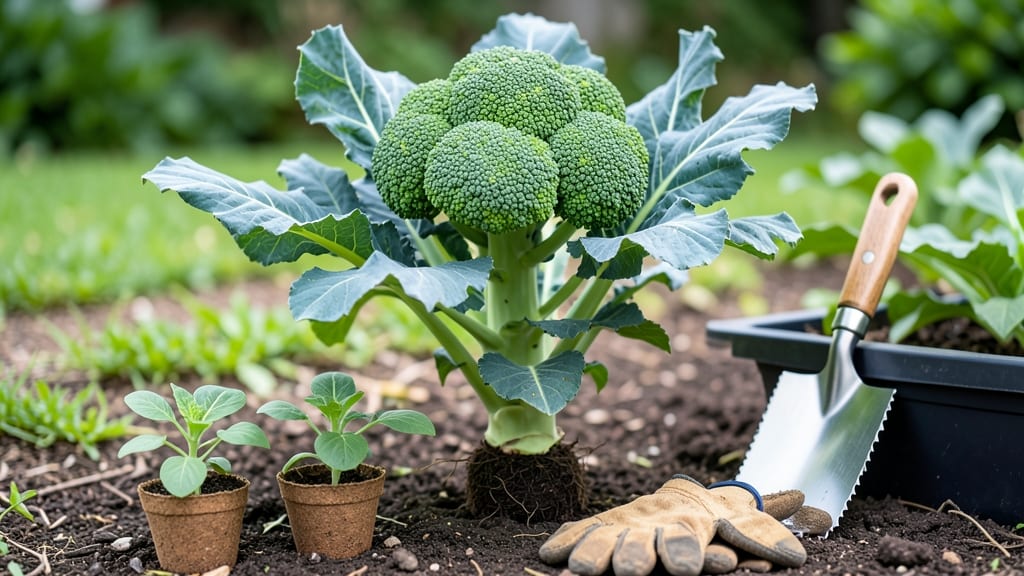
Plant broccoli in Utah between mid-March and early April for spring harvests or late July to early August for fall 🥦 — timing is everything to avoid frost or summer bolting.
Utah’s elevation swings from desert valleys to mountain plateaus, so one planting schedule doesn’t fit all. Get it wrong, and you’ll either lose seedlings to late frosts or watch your plants bolt before forming heads.
Below, I break down the exact frost-free windows for Salt Lake City, Park City, and Heber Valley, plus how to stretch your season with row covers and heat-tolerant varieties.
You’ll learn how to read your local frost dates, pick the right transplant size, and even salvage a late planting with cold protection—no guesswork, just Utah-ready broccoli success.
Utah broccoli planting calendar by elevation zone (low to high desert)
Utah’s dramatic elevation shifts—from Salt Lake Valley at 4,000 feet to Heber Valley’s 8,000-foot plateaus—create wildly different frost-free windows for broccoli. At lower elevations, spring transplants can start as early as late February, while high-desert gardeners must wait until mid-April to avoid late frosts.
Understanding these zones ensures your cool-season crop thrives without bolting or freezing.
Broccoli is a cool-weather vegetable that bolts when exposed to heat above 80°F or frost below 25°F.
Utah’s USDA Zones 5-7b mean gardeners must time plantings precisely. Spring plantings should occur 4-6 weeks before the last frost, while fall plantings must happen 8-10 weeks before the first frost to allow for harvest before winter chill. High-elevation gardens have shorter growing seasons, requiring earlier starts.
Below is a zone-by-zone breakdown of ideal transplant dates, harvest windows, and key climate triggers for Salt Lake City (4,000ft), Park City (6,000ft), and Heber Valley (8,000ft).
Use this as your Utah broccoli planting guide to maximize yields and avoid common mistakes like premature bolting or frost damage.
| Elevation Zone | Last Frost Date | First Frost Date | Spring Transplant Window | Fall Transplant Window | Spring Harvest | Fall Harvest | Days to Maturity |
|---|---|---|---|---|---|---|---|
| 4,000ft (Salt Lake City) | April 15 | October 15 | March 15–April 1 | July 15–August 1 | May 15–June 30 | September 15–October 10 | 50–70 days |
| 6,000ft (Park City) | April 25 | October 5 | March 25–April 10 | July 1–July 25 | May 30–July 15 | September 1–October 5 | 55–75 days |
| 8,000ft (Heber Valley) | May 5 | September 20 | April 15–May 1 | June 15–July 10 | June 15–July 30 | August 15–September 15 | 60–80 days |
For Salt Lake City gardeners (4,000ft), the spring window opens March 15–April 1, aligning with the average last frost of April 15.
This gives broccoli 50–70 days to mature before summer heat triggers bolting. Fall plantings must start by July 15 to harvest before the October 15 first frost. Miss this window, and you’ll face stunted growth or frost-killed heads.
At 6,000ft (Park City), the shorter frost-free season demands precision. Transplant March 25–April 10 for spring crops, with harvests stretching into mid-July.
Fall plantings shift to July 1–25, ensuring harvests before the October 5 first frost. High-altitude stress can delay maturity, so choose disease-resistant varieties like 'Green Gems' or 'Calabrese' to combat powdery mildew common in Utah’s dry air.
Heber Valley (8,000ft) gardeners face the toughest timeline: April 15–May 1 for spring and June 15–July 10 for fall. The May 5 last frost and September 20 first frost leave only 120–130 frost-free days, requiring fast-maturing varieties (e.g., 'Belstar' or 'Packman'). Successional planting every 2 weeks maximizes yields in this high-desert climate. Without proper timing, broccoli may bolt prematurely or fail to produce heads entirely.
Pro Tip: Use row covers to extend the spring window by 2–3 weeks in all zones. For fall plantings, opt for heat-tolerant varieties like 'Paragon' or 'Waltham 29' to delay bolting. Soil temperature should be at least 40°F at planting—use a soil thermometer to avoid cold soil shock, which stunts growth. Mulch with straw to retain moisture and regulate soil temps in Utah’s dry, variable climates.
Common Mistake: Planting too early in spring or too late in fall leads to frost damage or bolting. For example, Salt Lake City gardeners who transplant in February risk frost-killed seedlings, while Heber Valley growers planting after July 10 may never harvest. Track your local frost dates using the Utah Climate Center’s frost maps or plant test rows to gauge your microclimate.
Harvest Timing: Broccoli is ready when heads are firm, 4–6 inches wide, and deep green. In Salt Lake City, this typically falls May 15–June 30 for spring plantings. High-elevation gardens may see harvests as late as July 30, but watch for heat stress—once temps hit 85°F, heads may yellow and become bitter. Cut stems at a 45° angle to encourage side shoots, extending your harvest by **2–3
How to extend Utah’s broccoli growing season with cold protection
Utah’s short growing season makes extending your broccoli harvest a game-changer. By using cold protection methods, you can plant earlier in spring or later in fall, maximizing your garden’s productivity.
These techniques work especially well in USDA Zones 5-7b, where frost can linger well into May or arrive as early as October.
The key to success lies in combining physical barriers with strategic planting schedules. Whether you’re gardening in Salt Lake City’s valleys or the high desert, these methods help shield tender broccoli plants from late spring frosts and early fall chills.
Let’s explore the most effective ways to push your broccoli’s growing window by 4-6 weeks in either direction.
- 1 Use row covers (floating or low tunnels) to protect seedlings from 30°F temperatures. These lightweight fabrics trap heat while allowing sunlight and water to pass through.
- 2 Cold frames extend the season by 6-8 weeks on either end. Place them over young plants in early spring or late summer to create a microclimate that stays 10-15°F warmer than outside.
- 3 Successional planting every 2-3 weeks ensures a continuous harvest. Start with heat-tolerant varieties like ‘De Cicco’ or ‘Waltham 29’ for late summer plantings in Utah’s high desert.
- 4 Hardening off transplants by gradually exposing them to cold nights (35-40°F) for 5-7 days before final planting. This builds resilience against Utah’s unpredictable spring weather.
- 5 Mulch heavily with straw or leaves (4-6 inches) to insulate soil and roots. This keeps ground temperatures stable and reduces temperature swings that stress broccoli plants.
For early spring plantings, start seeds indoors 6-8 weeks before your average last frost date (typically mid-March for Salt Lake City). Transplant hardened-off seedlings outdoors when soil reaches 40°F, using row covers until nighttime temperatures consistently stay above 35°F.
In late summer, focus on heat-tolerant varieties and use shade cloth (30-50%) to protect plants from Utah’s intense afternoon sun. Combine this with drip irrigation to maintain even moisture—critical for preventing bolting in high-desert climates where temperatures can fluctuate 20°F in a single day.
Remember, broccoli thrives in cool weather (55-75°F). When daytime highs exceed 80°F, growth slows and plants may bolt prematurely. By layering these cold protection techniques, you can enjoy fresh broccoli from May through October—even in Utah’s challenging climate.
Pro tip: Keep a garden journal to track which methods work best in your specific microclimate. Adjust timing each year based on your observations—this is how you’ll master Utah’s unpredictable growing seasons! 🌱