
Plants
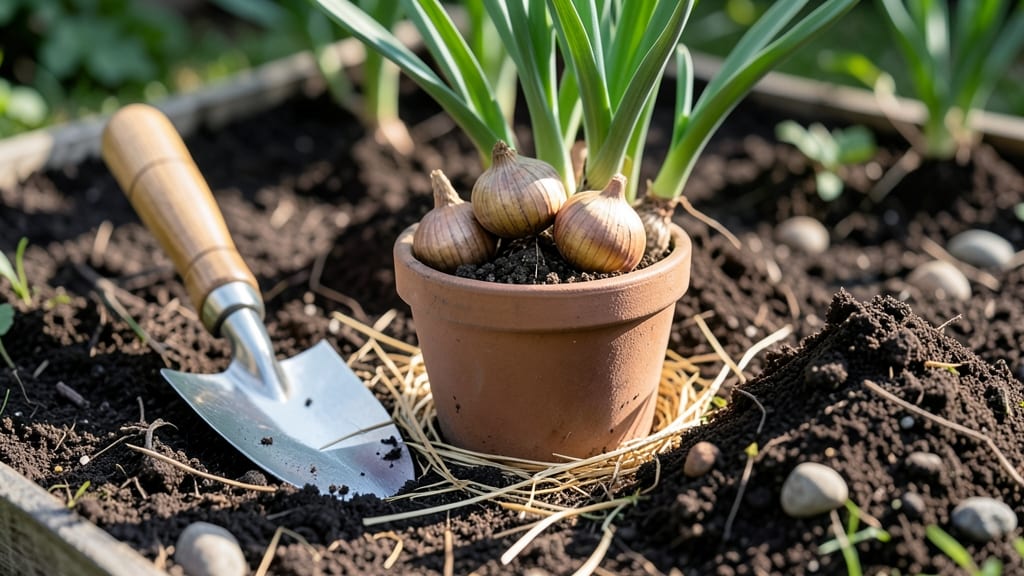
Planting daffodil bulbs in California requires timing them to the region’s diverse microclimates, where coastal fog and inland heat can shift ideal windows by months.
Miss the mark, and your 🌼 daffodils might rot before winter or sprout too early, only to wither in a late frost. The secret? Planting 6-8 weeks before the first frost—but that date varies wildly, from October in the Bay Area to December in the Central Valley.
Whether you’re in Zone 8a’s chilly foothills or Zone 10’s frost-free coast, soil temperature and moisture are the real game-changers. Too wet, and bulbs suffocate; too dry, and they shrivel.
Below, I’ll walk you through the exact month-by-month schedule for your area, plus soil prep tricks to set your bulbs up for bold spring blooms.
You’ll also discover how to spot microclimate red flags—like urban heat islands or high-desert winds—that can throw off even the best-laid plans. Let’s get those daffodils in the ground the right way.
Optimal planting months for California’s 5 key regions (with soil prep tips)
California’s microclimates create unique challenges for daffodil growers. While coastal areas enjoy mild winters, inland deserts face freezing nights and drought conditions. To succeed, timing your bulb planting to soil temperatures between 50°F and 60°F is critical—this ensures roots establish before winter dormancy.
Let’s break down the ideal planting windows for each region, plus soil prep steps to maximize success.
In Northern California (USDA Zones 8a-9a), daffodils thrive when planted in October to early November. The first frost typically arrives mid-December, giving bulbs 8-10 weeks to root.
For Central California (Zones 9a-9b), aim for mid-October to November, as frost risks are lower but summer heat can stress newly planted bulbs if timed too early.
Southern California (Zones 9b-10) offers the most flexibility, with September to November as the planting window. Coastal areas (e.g., San Diego) can plant as late as early December, while inland valleys like Coachella should finish by mid-November to avoid winter chill injuries. High desert regions (e.g., Death Valley outskirts) require earlier planting in September due to cold snaps and dry soils.
Here’s how to prepare your soil for each region—drainage and organic matter are non-negotiable for bulb health. In coastal areas, sandy soils need compost amendments to retain moisture, while inland soils benefit from gypsum to break up clay.
Test your soil’s pH (6.0–7.0) and adjust with lime or sulfur if needed.
| Region | USDA Zone | Best Planting Month | Soil Temp (°F) | Key Soil Prep | Watering Tip |
|---|---|---|---|---|---|
| Northern CA | 8a-9a | October–Early Nov | 50–60°F | Add compost + perlite | Deep water every 10 days |
| Central CA | 9a-9b | Mid-Oct–Nov | 55–65°F | Test pH (6.0–7.0) | Water at dusk |
| Southern CA | 9b-10 | Sept–Early Dec | 60–70°F | Mulch with straw | Light weekly water |
| Coastal CA | 9b-10 | Oct–Dec | 55–65°F | Amend sandy soil | Drip irrigation |
| High Desert | 7b-8a | Sept–Early Oct | 45–55°F | Gypsum for clay | Avoid overhead water |
After planting, mulch heavily (3–4 inches of straw or wood chips) to insulate bulbs from temperature swings. In coastal regions, this protects against winter rains, while inland areas benefit from moisture retention. Avoid nitrogen-rich fertilizers until spring—bulbs need to dormant properly to bloom vigorously.
For container gardening, use well-draining pots with cactus/succulent mix amended with compost. Plant bulbs 6 inches deep and group 3–5 together for dramatic displays.
In Zone 10+ areas, you can even plant daffodils in late winter (January–February) for earlier spring blooms, but ensure they get 6+ hours of sunlight daily.
Watch for premature sprouting in mild winters—this happens when bulbs sense
How to adjust planting time for microclimates (frost zones, urban heat islands, and more)
California’s microclimates can shift daffodil planting windows by up to 3 months. A coastal garden in San Francisco may thrive with bulbs planted in December, while inland Zone 8 areas like Fresno need them in the ground by October.
Urban heat islands can bake soil faster, while high-elevation spots stay cooler longer. Understanding these variations prevents premature sprouting or frost damage.
Start by checking your USDA Zone and local frost dates. The California Planting Zone Map (available from UC Master Gardeners) shows first frost averages, but real-world conditions often differ.
For example, Sacramento’s Zone 9a might see frost in November, while nearby Rocklin’s Zone 7b could freeze by October 15. Always plant 6-8 weeks before your area’s first frost.
Urban heat islands—common in cities like Los Angeles or San Diego—can raise soil temperatures by 10°F+. If your garden sits near pavement or buildings, use a soil thermometer to confirm temps are below 60°F before planting.
In these areas, bulbs may sprout too early, leaving them vulnerable to late-season heat stress. A simple fix? Plant in shadier spots or use mulch to insulate the soil.
🚨
⚠️ Danger Zone: Premature Sprouting
Planting daffodil bulbs too early—especially in warm microclimates—triggers sprouting before roots establish. This weakens bulbs, making them prone to rot or pests. Solution: In Zone 9-10 areas, wait until November or even early December to plant. For Zone 7-8, aim for mid-October.
Pro Tip: Use a soil thermometer—bulbs need 50-60°F soil to root without sprouting. If temps are above 65°F, delay planting.
Elevation changes also play a critical role. Gardens in the Sierra foothills (e.g., 2,000ft+) may follow Zone 7 timing, while nearby valley floors could be Zone 9.
Observe your neighbors’ gardens: If their tulips bloom in February, you’re likely in a cooler microclimate and should plant daffodils earlier. Conversely, if blooms appear in April, you’re in a warmer zone and should delay planting.
Adjust for sheltered spots, too. A south-facing slope warms faster than a north-facing yard. If your garden is tucked into a valley or low-lying area, frost lingers longer.
Plant bulbs 2-3 weeks earlier in these spots. Conversely, hilltops or exposed areas may need bulbs planted 1-2 weeks later to avoid early frost.
Finally, don’t rely solely on calendar dates. Use a soil thermometer ($10 at garden centers) to confirm conditions. Daffodil bulbs need consistent temps below 60°F for 6-8 weeks to root properly.
If your soil stays above 65°F for too long, bulbs may sprout but fail to bloom. In these cases, consider shade cloth or planting in containers for better temperature control.