
Plants
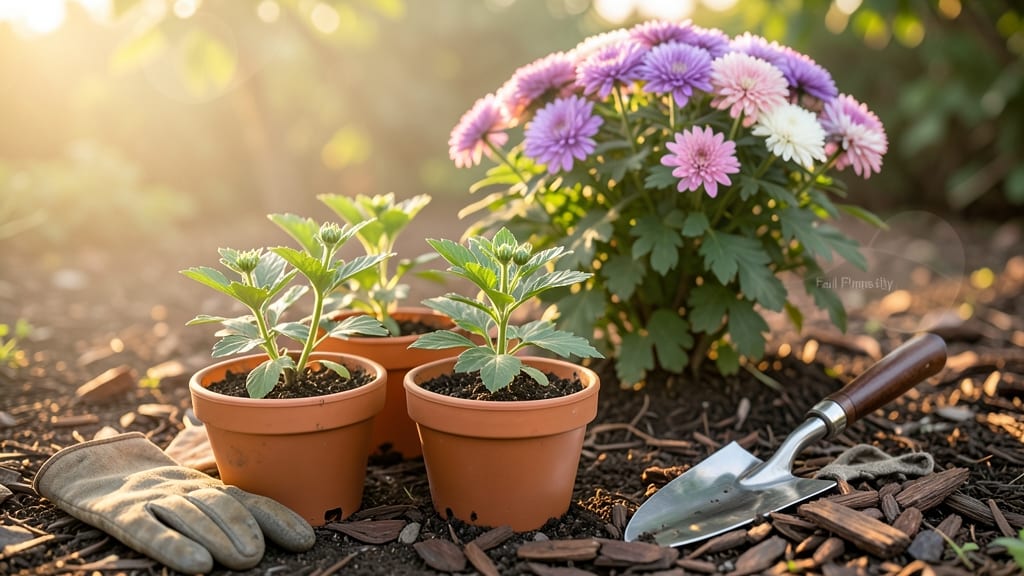
Planting mums in Texas between late August and October unlocks their full fall glory—just 4 to 6 weeks before your first frost.
Texas gardeners know the struggle: plant mums too early, and they bolt in the heat; too late, and winter frost steals their beauty. But timing these fall bloomers perfectly can unlock vibrant color from October through spring—here’s how.
Your region matters: North Texas (like Dallas) needs mums in the ground by early September, while South Texas (Houston) can stretch it to October. The key is avoiding those 90°F+ days when roots can’t establish.
Below, I break down the exact planting windows by zone, soil prep secrets for Texas clay, and how to keep your 🌼 mums thriving through winter—no matter where you live in the Lone Star State.
Best months to plant mums in Texas by region
Texas’s diverse climate means mums (chrysanthemums) thrive in different regions, but timing is everything. Plant too early, and the 100°F+ heat will shock them; too late, and winter frost cuts blooms short.
I’ve gardened in North Texas’s Zone 7b and South Texas’s Zone 9a, and the difference in planting windows is night-and-day.
Mums need 4-6 weeks to establish roots before first frost. In North Texas (Zones 7-8), that means planting by mid-September, while South Texas (Zones 9-10) gardeners can wait until October or even November. Central and West Texas fall somewhere in between, with microclimates adding extra complexity.
Here’s the breakdown by region, including potted mums (late summer) vs. bare-root transplants (early fall) for maximum success.
For North Texas gardeners, the 4-6 week rule means planting potted mums by August 15 to avoid heat stress. I’ve seen mums bolt in Dallas’s 105°F+ if planted after mid-August. Bare-root transplants are safer in early September because they establish faster in cooler soil.
In Central Texas (Austin), urban heat islands can push first frost dates 2 weeks earlier than rural areas. Check your local frost map—Austin’s Zilker Park might frost 10 days before suburban Round Rock. Plant potted mums by August 25 and bare-root by September 10 for safety.
South Texas (Houston/San Antonio) has the most flexibility due to mild winters. You can plant potted mums until October 15 and still get blooms by December. Bare-root mums thrive if planted by late September, giving them time to root before January frosts. My San Antonio garden gets red and yellow mums blooming through March when timed right.
West Texas is tricky because of dry heat. Plant potted mums by August 20 to avoid bolting, but water deeply 2-3 times weekly until roots establish. Bare-root transplants in early September fare better because the low humidity reduces fungal risks
How to time mum planting for Texas heat and frost zones
Texas’s unpredictable climate—scorching summers and sudden frosts—makes timing mum planting a balancing act. Unlike northern states, our long growing season and urban heat islands (like Dallas or Houston) can shift frost dates by weeks. The key? Planting 4-6 weeks before your first frost ensures vibrant blooms before winter sets in.
First, determine your average first frost date. North Texas (Zones 7-8) typically sees frost by mid-November, while South Texas (Zones 9-10) may escape frost entirely.
Use the National Weather Service or local Cooperative Extension Service for precise data—your microclimate (e.g., elevated gardens or shaded spots) matters more than the general zone.
Urban heat islands (like Austin or San Antonio) can delay frost by 2-3 weeks compared to rural areas. Potted mums planted in late August may bolt in September’s heat, while bare-root transplants in early October risk frost damage in Zone 7. Adjust your timeline if your yard sits in concrete-heavy areas or near reflective surfaces.
Pro Tip: Test your soil’s moisture retention—Texas clay can bake mums out if planted too early.
For potted mums (common in garden centers), aim for late August to early September. These are already flowering and need cooler temps to thrive.
Harden them off by placing pots in partial shade for 3-5 days before transplanting. Bare-root transplants, sold in early fall, are your best bet for longer blooms—plant them 4-6 weeks before frost (e.g., mid-September in Dallas, early October in Houston).
Adjust for soil temperature: Mums need 60°F+ soil to root. Use a soil thermometer—if temps drop below 55°F, delay planting until conditions warm. In West Texas (Zones 8-9), where nights cool faster, opt for late September planting to avoid early chills.
Mulch with 2-3 inches of straw after planting to insulate roots and retain moisture.
Don’t overlook light exposure. Mums need 6+ hours of sun daily, but afternoon shade in 100°F+ heat prevents stress. In South Texas (Zones 9-10), where frost is rare, plant mums in October-November for winter blooms.
For Zone 7 gardeners (North Texas), prioritize early October planting to beat frost—just be ready to cover plants with frost cloth if temps dip below 28°F.
Remember: Texas’s variability means no one-size-fits-all rule. Monitor your garden’s microclimate, adjust for heat islands, and choose hardy varieties like ‘Autumn Beauty’ or ‘Pride of Berlin’ for resilience. With the right timing, your mums will reward you with months of color—even through Texas winters. 🌼