
Plants
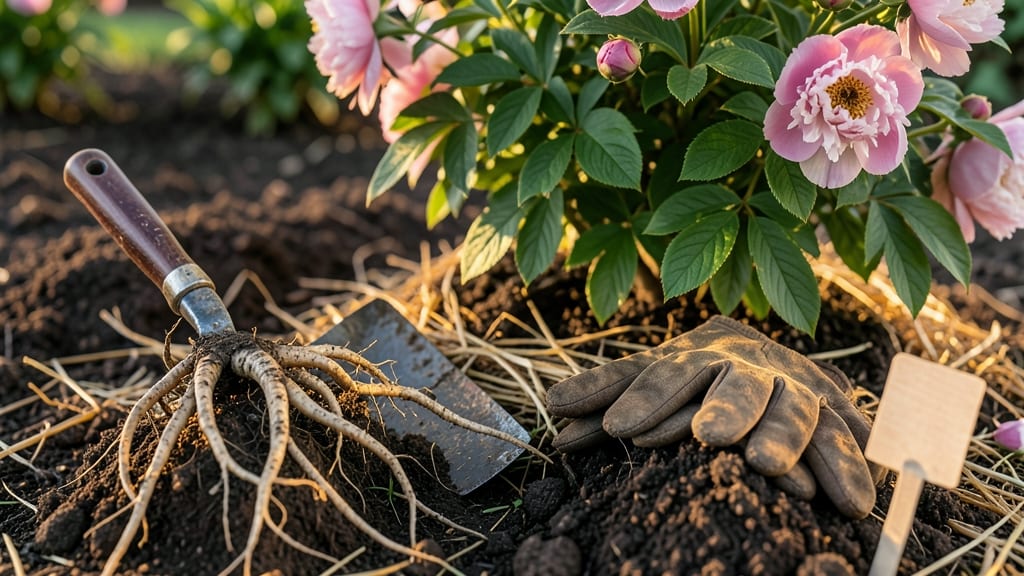
Plant peonies in Maryland between late September and early October for the best chance of vibrant blooms next spring.
Maryland’s unpredictable spring weather can turn your peony planting into a gamble—unless you know the exact window for zero-frost success. Get it wrong, and your blooms may never return; get it right, and you’ll enjoy decades of vibrant, low-maintenance flowers.
In USDA zones 7a-7b, the ideal planting window aligns with soil temperatures cooling to 50°F—a sweet spot where roots establish before winter’s chill sets in.
This means late September to early October is your best bet, but timing can shift slightly depending on whether you’re in Baltimore, the Western MD mountains, or the Eastern Shore.
Below, I’ll break down the month-by-month rules, soil prep secrets for Maryland’s clay-heavy soil, and how to protect your peonies from our first frost (usually around November 15).
Maryland’s ideal peony planting window: months and temperature rules
Peonies thrive in Maryland’s fall climate, but timing is everything. Plant too early, and frost may damage tender roots; too late, and they won’t establish before winter. The 4-week window from late September to early October offers the perfect balance of cool soil and frost-free conditions for root growth.
This is when Maryland’s USDA zones 7a-7b deliver ideal soil temperatures between 50°F and 60°F—critical for peony success.
Unlike spring planting, fall gives peonies 6-8 weeks to develop roots before dormancy. Maryland’s first frost typically arrives in mid-November, so aim to plant by October 15th in most regions.
Western Maryland’s cooler microclimates (like Frederick County) may need an earlier start, while the Eastern Shore can extend planting slightly later due to milder winters.
Here’s your region-specific planting guide with exact windows and soil temperature thresholds:
Maryland’s soil temperature is the most critical factor. Use a soil thermometer to confirm readings—peonies need at least 6 weeks of above-freezing soil before winter. If temperatures drop below 40°F, roots may suffer cold damage, even with mulch.
Test your garden’s soil moisture too; peonies hate soggy conditions, which are common in Maryland’s clay-heavy soils.
For Baltimore gardeners, aim for September 25th-October 10th. This window aligns with the city’s average first frost date of November 15th, giving roots 6 weeks to establish. If you’re in Western Maryland, like Hagerstown, start by September 15th—cooler nights here demand an earlier planting.
The Eastern Shore, including Salisbury, can wait until October 1st thanks to its milder winters.
Pro tip: Plant bare-root peonies on a cloudy day or in the late afternoon to reduce stress. Soak the roots for 2-3 hours before planting to ensure they’re hydrated. Maryland’s fall rains will help, but don’t rely on them—water deeply after planting to settle the soil around the roots.
Aim for 1-2 inches of water per week until the ground freezes.
Watch for soil compaction, especially in urban areas like Columbia. Amend planting holes with compost or sand to improve drainage. Peonies planted in well-draining soil produce larger blooms and last longer.
In Maryland’s humid climate, add a 2-inch layer of mulch (like straw) after planting to prevent disease and retain moisture.
If you miss the fall window, spring planting is possible—but risky. Maryland’s spring frost dates (around April 15th) can damage new growth. If you must plant in spring, wait until after the last frost and be prepared for smaller blooms the first year.
For zero-frost success, stick to fall and follow your region’s temperature rules.
Remember: Peonies are perennials that reward patience. A peony planted in Maryland’s fall window can bloom for 50+ years with minimal care. The key? Timing, soil, and temperature—master these, and you’ll enjoy vibrant blooms every spring. 🌸
Peony planting mistakes in Maryland: what to avoid (and how to fix them)
Maryland gardeners often rush peony planting, but timing is everything. Planting too early exposes roots to winter kill, while waiting too late stunts root establishment before dormancy.
The clay-heavy soil common in Maryland also traps moisture, leading to rot if drainage isn’t addressed. Let’s fix these common mistakes before they derail your peony dreams.
First, avoid planting peonies in early fall (before September 15). Cool soil temperatures slow root growth, leaving plants vulnerable to freeze-thaw cycles. In Maryland’s USDA zones 7a-7b, soil should stay above 50°F (10°C) for at least 4 weeks post-planting.
If you’ve already planted too early, mulch heavily with 4–6 inches of shredded leaves or straw to insulate roots.
⚠️ WARNING: Maryland-Specific Planting Pitfalls ⚠️
Risk: August heat stresses roots; late October plants may not establish before frost. Fix: Stick to late September–early October when soil is warm but air cools. For late October, use black plastic mulch to extend the growing season.
⚠️ Mistake 2: Ignoring clay soil in MarylandRisk: Compacted clay suffocates roots and causes rot. Fix: Amend with 3–4 inches of compost and sand (50/50 mix) before planting. Raised beds work too!
⚠️ Mistake 3: Planting too deep (below 2 inches)Risk: Peony "eyes" (buds) rot if buried too deep. Fix: Plant crowns 1–2 inches below soil with buds facing upward. Mark spots with flags for future reference.
Another critical error is skipping soil prep for Maryland’s heavy clay. Test your soil’s pH—peonies thrive in 6.0–7.0. If your soil is too acidic, add lime (1 lb per 100 sq ft) 2 months before planting.
For drainage, mix in perlite or coarse sand to break up clay particles. A simple percolation test (dig a hole, fill with water, and time drainage) will reveal if your soil needs help.
Don’t forget mulching strategies for Maryland’s harsh winters. After planting, apply 4–6 inches of organic mulch (like wood chips or straw) to protect roots from temperature swings.
In Zone 7a (e.g., Frederick County), add an extra 2–3 inches of mulch in December. Avoid inorganic mulches like rocks, which don’t insulate as well.
If you’ve already planted peonies too late (after November 1), don’t panic. Cover the bed with burlap or frost cloth until spring to shield roots from freezing temps.
In early spring, remove the cover, water deeply, and apply a balanced fertilizer (5-10-10) once foliage emerges. This jumpstarts growth and compensates for lost root time.
Finally, resist the urge to fertilize in fall—peonies store energy for next year’s blooms. Instead, focus on well-draining soil and consistent moisture (but not soggy conditions). With these fixes, your peonies will reward you with decades of lush blooms—no gamble needed! 🌸