
Plants
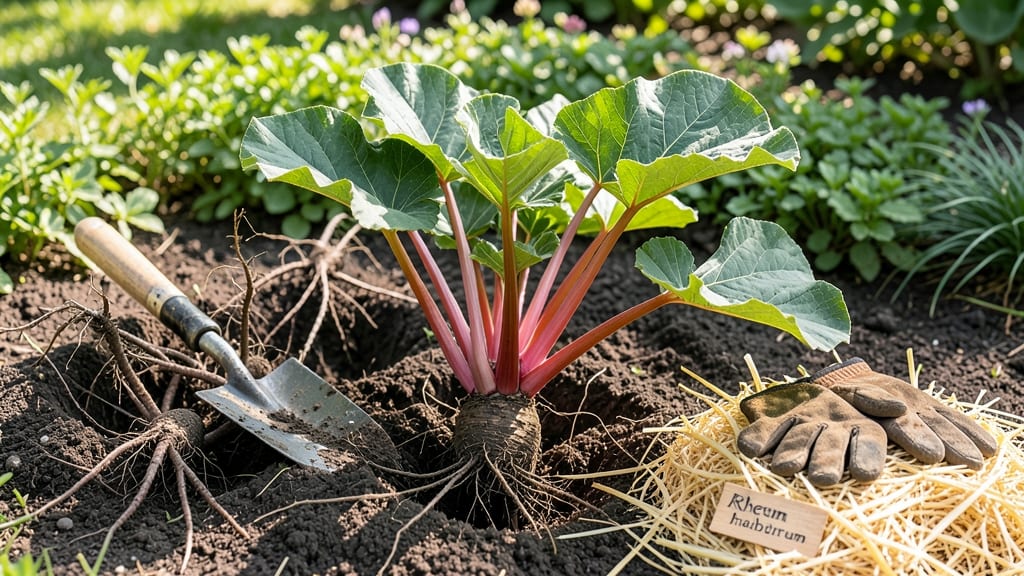
Plant rhubarb in Ohio 3-4 weeks before the last frost—ideally by early April—to give the crown time to root before spring’s juicy harvests begin.
Ohio gardeners know rhubarb thrives in cold climates—but planting it at the wrong time can mean lost harvests or stunted growth. Timing is everything for this hardy perennial, and getting it right ensures bold stalks by late spring.
With Ohio’s USDA Zone 6a climate, you’ve got a narrow window to plant crowns (not seeds) when soil temperatures hit at least 40°F. Too early, and frost will damage tender roots; too late, and your rhubarb won’t establish before summer heat arrives.
Here’s the step-by-step guide to planting rhubarb in Ohio—soil prep, spacing, and care tips included—to turn your garden into a reliable rhubarb patch for years to come.
Optimal planting windows for Ohio rhubarb success
Ohio’s USDA zones 5-7 create the perfect climate for rhubarb cultivation, but timing your planting is critical to avoid frost damage or stunted growth. Unlike many perennials, rhubarb thrives when planted in early fall or late winter, allowing roots to establish before spring's active growth phase.
This hardy plant can handle sub-freezing temperatures, but the key is avoiding planting when the ground is too cold or saturated.
Most Ohio gardeners focus on March to early April for spring planting, aligning with the last average frost date (around April 15). However, September to October offers a second window for fall planting, giving roots a head start before winter dormancy.
Understanding these windows—and how microclimates affect your specific location—will determine whether you get juicy stalks by late May or struggle with slow establishment.
Soil temperature is the most critical factor. Rhubarb crowns should go into soil that’s at least 40°F (4°C). In Ohio’s northern regions (zone 5), this might mean waiting until late March, while southern areas (zone 7) can plant as early as February. Use a soil thermometer to check—planting too early in cold soil can lead to root rot or poor growth.
Ohio’s microclimates can shift planting windows by weeks. For example, gardens near Lake Erie (like Cleveland) may experience later frosts and cooler soils, delaying spring planting until mid-April. Conversely, urban areas like Columbus often warm up faster, allowing February planting in sheltered spots.
Pay attention to your local frost dates—the Ohio State University Extension provides county-specific frost charts that are invaluable.
If you’re planting in fall (September-October), aim to get crowns in the ground 6-8 weeks before the first frost. This gives roots time to establish before winter dormancy.
In northern Ohio (zone 5), this means planting by mid-September, while southern Ohio (zone 7) can extend planting until early October. Fall-planted rhubarb often produces earlier and larger stalks the following spring.
For late winter planting (February), only attempt this in southern Ohio (zones 6-7) where soils thaw earlier. Use row covers or mulch heavily to protect new growth from unpredictable late frosts.
If your soil is still frozen or saturated from winter rains, wait—planting into cold, wet soil is a recipe for root diseases like crown rot.
One common mistake is assuming all of Ohio has the same frost dates. Elevated gardens or south-facing slopes can warm up 2-3 weeks earlier than valley areas. Test your soil temperature for 3 consecutive days above 40°F (4°C) before planting.
A simple soil thermometer ($10 at garden centers) is worth its weight in healthy rhubarb stalks.
Remember, rhubarb is a perennial investment. A well-timed planting in Ohio’s climate can yield harvests for 1
Step-by-step guide: planting rhubarb in Ohio’s climate
Ohio’s cool climate is perfect for rhubarb, but success starts with proper planting techniques. Unlike many crops, rhubarb crowns—not seeds—are the way to go. This hardy perennial needs well-prepared soil and the right timing to thrive in Ohio’s USDA zones 5-7.
Whether you’re dealing with heavy clay or sandy soil, these steps will set your rhubarb up for juicy stalks by late spring.
Before diving in, know that Ohio’s last frost typically hits around April 15. Planting 3-4 weeks before this date ensures your rhubarb establishes roots before summer heat arrives. For heavy clay soils, amend with compost to improve drainage, while sandy soils benefit from organic matter to retain moisture.
Let’s get your rhubarb in the ground the right way.
📋 Step-by-Step Planting Guide for Ohio Rhubarb
- 1 Choose the Right Location: Pick a spot with full sun to partial shade (6+ hours of sunlight). Avoid low-lying areas where frost lingers or water pools.
- 2 Prepare the Soil: Test your soil’s pH (6.0-7.0 ideal). For clay soil, mix in 2-3 inches of compost. For sandy soil, add peat moss or well-rotted manure to improve moisture retention.
- 3 Plant the Crown: Dig a trench 12-18 inches wide and 6 inches deep. Place the crown with roots facing downward, spreading them out evenly. Cover with soil, leaving the top of the crown 1 inch above ground.
- 4 Space Properly: Space crowns 3-4 feet apart in rows 4 feet apart. This gives rhubarb room to grow and reduces competition for nutrients.
- 5 Water Thoroughly: After planting, water deeply to settle soil. Keep the soil moist but not soggy for the first 2-3 weeks. Ohio’s spring rains help, but monitor for dry spells.
- 6 Mulch for Protection: Apply 3-4 inches of mulch (straw or wood chips) around the base. Mulch retains moisture, suppresses weeds, and protects roots from freeze-thaw cycles in Ohio’s unpredictable spring.
- 7 Avoid Harvesting First Year: Let the plant focus on root establishment. In year two, harvest stalks when they reach 10-12 inches, leaving the leaf crown intact.
Ohio’s variable climate means rhubarb can face challenges like late frosts or summer droughts. After planting, keep an eye on your rhubarb’s progress. If you notice yellowing leaves, it may need more nutrients or better drainage.
For heavy clay soils, consider raised beds to improve airflow and root health.
With these steps, your rhubarb will thrive in Ohio’s conditions, rewarding you with harvests for years. Remember, patience is key—first-year growth is minimal, but by year three, you’ll have a robust plant ready for plenty of stalks. Happy planting! 🌱