
Plants
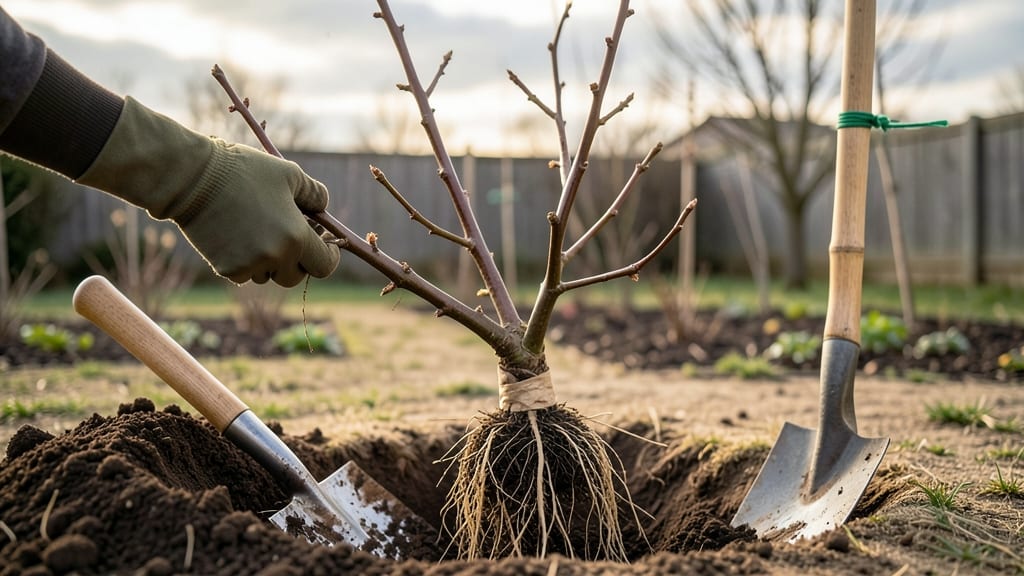
Planting roses in Zone 5 at the right time means the difference between vibrant blooms and struggling bushes—so timing is everything.
If you’ve ever watched your 🌹 roses wilt after a late frost or fail to take root in scorching summer heat, you know how quickly things can go wrong. Zone 5’s unpredictable swings make getting the timing perfect a game-changer for long-term success.
Most gardeners in Zone 5 focus on spring planting, but early fall offers a second chance for roots to establish before winter. The key is avoiding frost—aim for 4-6 weeks before the first frost in fall or right after the last frost in spring.
Below, I’ll break down the exact months for your region, soil prep secrets, and how to tell if you’ve planted too early or late—so you can enjoy roses that thrive year after year.
Zone 5 rose planting timeline: exact months for success
Planting roses in Zone 5 requires precision—get the timing wrong, and your roses may struggle to establish roots before winter. The key is planting when soil temperatures are consistently above 50°F but before extreme heat sets in.
In my experience, early fall and late spring offer the best windows, but Zone 5a vs. 5b can shift those dates by weeks.
For Zone 5a (colder micro-climates), aim for late April to early May in spring and early September to mid-October in fall. In Zone 5b (warmer areas), you can push spring planting to mid-May and fall planting to late October.
The goal is to give roots 4-6 weeks to establish before dormancy or extreme heat arrives.
Here’s why timing matters: Bare-root roses need moisture to wake up, but they hate soggy soil. Planting too early risks frost damage, while planting too late stresses roots before winter. My rule? Wait until soil warms to 55°F and check your local frost dates—they’re your best guides.
🌹
| Planting Window | Zone 5a | Zone 5b | Soil Temp Threshold | Frost Risk |
|---|---|---|---|---|
| Spring Planting | Late April–Early May | Mid-April–Mid-May | 55°F+ (13°C+) | Low (after last frost) |
| Fall Planting | Early Sept–Mid-Oct | Late Sept–Late Oct | 50°F+ (10°C+) | Moderate (4-6 wks before frost) |
| Avoid Planting | June–July (heat stress) | June–July (heat stress) | N/A | High (root burn risk) |
| Critical Notes | Bare-root roses need moist but not soggy soil. Mulch 2-3 inches deep after planting to retain moisture. | |||
Spring planting in Zone 5 means rushing to beat the last frost date, which typically lands in mid-May. I recommend waiting until after Mother’s Day (around May 10th) to play it safe, especially in Zone 5a.
For container-grown roses, you can plant 2 weeks earlier since they adapt faster to soil warmth.
Fall planting is my top recommendation for Zone 5 because roses establish roots in cool weather and enter dormancy naturally. Aim to plant 4-6 weeks before your first frost—usually late September to early October.
This gives roots time to harden off before winter. In Zone 5b, you might stretch to mid-November, but avoid planting when soil temps drop below 40°F.
One common mistake I see is planting bare-root roses too early in spring. Cold soil slows root growth, and the plant may wilt when summer heat arrives.
To test soil readiness, stick a thermometer 6 inches deep—if it’s below 55°F, wait a week or two. Pro tip: Soak roots in water + rooting hormone for 1-2 hours before planting to kickstart growth.
For micro-climate adjustments, consider your yard’s sun exposure and wind patterns. South-facing slopes warm faster, so you can plant 1-2 weeks earlier there. Meanwhile, low-lying areas hold cold longer—delay planting by 10-14 days to avoid frost damage.
If you’re unsure, observe nearby plants: When dandelions bloom, it’s often safe to plant in spring.
After planting, mulch heavily (3-4 inches) to insulate roots and retain moisture. In fall, I add compost or shredded leaves to protect against winter temperature swings. Water deeply once a week for the first month, then taper to bi-weekly once established. 💧
Remember: Roses planted in fall often outperform spring-planted ones in Zone 5 because they avoid summer stress and <
How to prepare your Zone 5 soil for rose planting
Roses thrive when planted in well-amended soil that mimics their natural woodland habitats. In Zone 5, where winters are cold and summers can be dry, your soil prep becomes the foundation for healthy root development and vibrant blooms.
Start by testing your soil pH—roses prefer a slightly acidic to neutral range of 6.0 to 6.5. If your soil is too alkaline, add sulfur or peat moss to adjust it gradually over 2-3 months before planting.
Next, focus on organic matter content. Roses need at least 25% organic material in the top 12 inches of soil. Mix in composted manure, leaf mold, or well-rotted compost to improve soil structure and water retention.
Aim for a ratio of 1 part organic matter to 3 parts native soil—this balance prevents compaction while providing essential nutrients.
Drainage is critical in Zone 5, where heavy clay soils are common. If your soil drains poorly, amend it with coarse sand or perlite to create air pockets.
For existing clay soils, dig a 6-inch-deep trench around the planting area and fill it with a sand and compost mix. This simple step can transform waterlogged conditions into an ideal rose-growing environment.
🌱 Pro Tip: Seasonal Soil Prep for Zone 5 Roses
For spring planting, prep soil in late winter (February-March) by adding compost and bone meal. For fall planting, amend soil in early September with well-aged manure to boost root growth before winter dormancy. Always water amendments deeply to activate decomposition.
Don’t overlook seasonal amendments. In early spring, top-dress rose beds with 1-2 inches of compost and a balanced fertilizer (10-10-10). In late summer, apply a low-nitrogen fertilizer (5-10-10) to encourage root hardening before winter.
Mulch with 3-4 inches of organic mulch (like shredded bark) to retain moisture and regulate soil temperature.
Before planting, loosen the soil to a depth of 12-18 inches to reduce transplant shock. Work in mycorrhizal fungi—a natural soil additive that helps roots absorb nutrients more efficiently.
This step is especially important for bare-root roses, which benefit from the extra microbial support during their first growing season.
Finally, test your soil’s nutrient levels with a simple soil test kit. Zone 5 soils often lack phosphorus and potassium, which are vital for flower production and disease resistance.
Adjust deficiencies with bone meal (for phosphorus) or greensand (for potassium). With these steps, your roses will establish strong roots and reward you with lush, long-lasting blooms.