
Plants
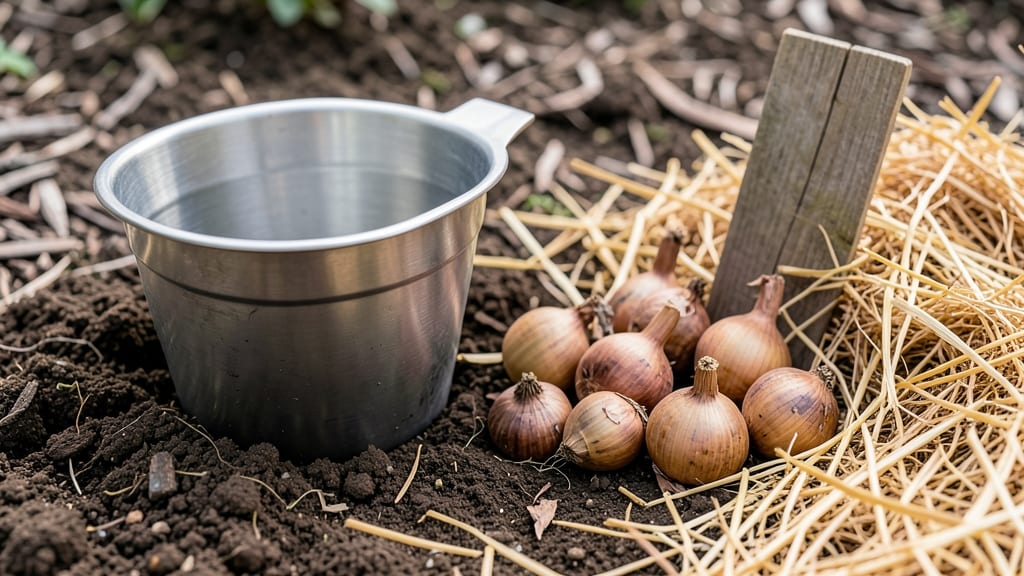
Planting tulips in Massachusetts requires timing them just right—6 to 8 weeks before the first frost—so they establish roots but don’t rot in soggy soil.
Miss that window, and you’ll either end up with bulbs that freeze solid or flowers that flop in summer heat. The key is knowing your local frost date, which can shift two weeks from one corner of the state to another.
In USDA Zone 6a, most gardeners aim for late October, but coastal areas like Cape Cod might push planting into early November. Below, I’ll walk you through the exact frost-date math, soil prep, and bulb depth to ensure your 🌷 tulips return year after year.
You’ll also learn how to spot the signs of a perfect planting spot—where the soil is cool but not frozen, and how to adjust for microclimates like sheltered gardens or windy hillsides.
Massachusetts frost dates for tulip planting: the exact window to follow
Massachusetts gardeners know timing is everything when planting tulip bulbs. The 6-8 week rule before the first hard frost is your golden window—plant too early, and roots rot; too late, and bulbs freeze.
Most of Massachusetts falls in USDA zones 5b-6b, where average first frosts hit between October 15-25. Working backward gives you a precise planting window of mid-September to early November.
For example, in Boston (zone 6b), the first frost typically arrives around October 20. Counting back 6 weeks lands you in mid-September—your ideal start date. In Springfield (zone 5b), where frosts come earlier, aim for late September to early October.
These dates ensure bulbs establish roots before winter sets in, but don’t harden too much before dormancy.
Here’s the critical detail: soil temperature matters just as much as calendar dates. Tulip bulbs need 40-50°F soil to root properly. In Massachusetts, soil usually cools below this by mid-November, making late November plantings risky.
Use a soil thermometer to confirm—if temps drop below 50°F, pause planting until spring (though spring-planted bulbs rarely bloom the first year).
To pinpoint your exact 2024-2025 planting window, use the National Weather Service’s frost calendar or local Cooperative Extension Service data. For example, the UMass Extension provides updated frost dates annually—check their website in August for the latest.
Pro tip: Bookmark https://www.umass.edu/extension and set a reminder to revisit before your tulip bulbs arrive.
If you’re unsure about your local microclimate, err on the earlier side. Coastal areas like Cape Cod stay warmer longer, while inland zones like Western MA freeze sooner. For example, Provincetown might safely plant until November 1, while North Adams should finish by October 15.
Always check 3-5 years of historical data—one early frost doesn’t define your zone.
Once you’ve nailed the planting window, focus on bulb depth. In Massachusetts, plant tulips 6-8 inches deep—deeper in sandy soil, shallower in clay. This depth protects roots from freeze-thaw cycles and prevents heaving.
After planting, add a 2-3 inch layer of mulch (straw or shredded leaves work best) to insulate bulbs through winter. Remove mulch in early spring to avoid smothering emerging shoots.
Don’t overlook soil preparation
Best tulip varieties for Massachusetts winters: cold-hardy vs. delicate types
Massachusetts winters test tulip resilience with freeze-thaw cycles that can damage delicate bulbs. Not all tulips survive our USDA Zone 5-6 winters equally—some thrive while others need extra protection. The key lies in choosing cold-hardy varieties like Darwin Hybrids or using winter mulching techniques for more sensitive types.
Darwin Hybrid tulips stand out for their toughness in harsh climates. These varieties develop strong stems and deep roots, making them perfect for Massachusetts' unpredictable winters. On the other hand, Parrot Tulips and Double Late tulips offer stunning blooms but often struggle without proper winter care.
Let’s compare their needs and how to protect them.
Cold-Hardy Tulip Varieties
✅ Survive Zone 4-7
✅ 6-24" tall, bold colors
✅ No mulch needed in MA
✅ Early bloomers (March)
✅ Zone 3-8 tolerance
✅ Dark red/purple foliage
Delicate Tulip Varieties
⚠️ Zone 5-6 only
⚠️ Mulch required in MA
⚠️ Fragile stems in wind
⚠️ Late bloomers (May)
⚠️ Needs shelter from frost
⚠️ Prone to rot in wet winters
For cold-hardy varieties, focus on well-draining soil and full sun. Plant bulbs 6-8 inches deep in October, and they’ll handle Massachusetts winters without extra care. The Darwin Hybrid 'Red Emperor' or 'Queen of Night' are excellent choices—they bloom reliably year after year.
Delicate tulips like Parrot Tulips need protection. After planting, add a 4-inch layer of straw mulch in late fall. This insulates bulbs from freeze-thaw cycles and prevents heaving. In early spring, remove mulch to avoid rot from excess moisture as shoots emerge.
Soil preparation matters too. Massachusetts gardens often have clay-heavy soil, which can suffocate bulbs. Amend with compost or sand to improve drainage. For container-grown tulips, use a mix of potting soil and perlite to mimic ideal conditions.
Water thoroughly after planting but reduce watering in winter to prevent soggy soil.
Winter mulching is your best defense for sensitive varieties. Apply mulch after the ground freezes (typically mid-November in MA) and remove it in early spring once shoots appear. This timing prevents early thaw damage while allowing bulbs to wake up safely when temperatures rise.