
How To
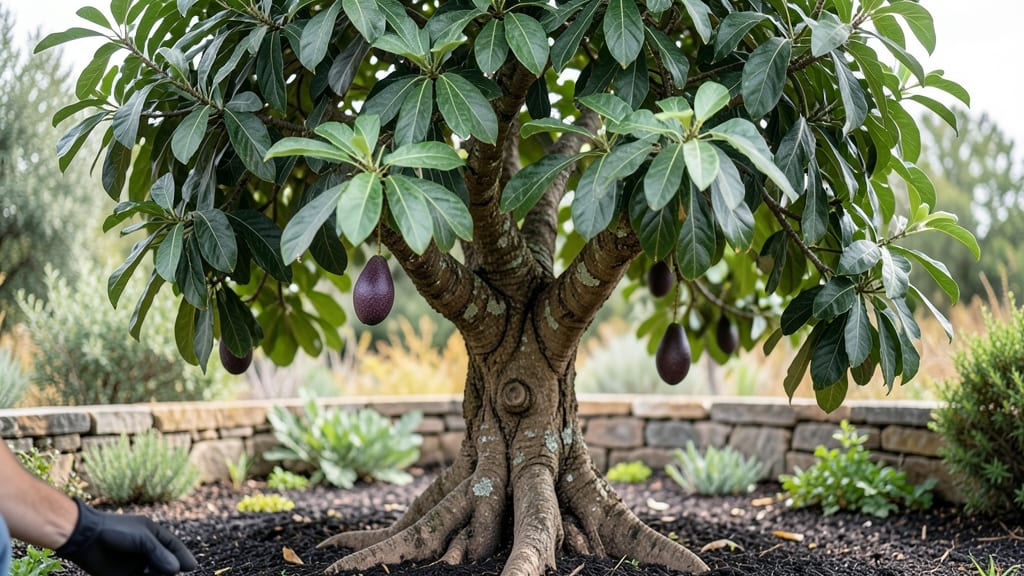
Growing an avocado tree means understanding how tall an avocado tree can grow, as heights can range from a manageable 10 feet to a towering 80 feet, depending on the variety and care you provide.
Did you know some avocado trees stay under 10 feet while others tower over 60 feet? The height of your avocado tree depends entirely on its variety—and knowing the differences can help you choose the perfect tree for your space.
If you're working with limited yard space, dwarf varieties like 'Wurtz' or 'Bacon' can stay under 15 feet, while standard types like 'Hass' or 'Fuerte' will reach 30-80 feet without pruning.
Below, I’ll break down the height expectations for each variety, how to control growth with pruning and grafting, and the care tips that keep your tree at your ideal size—whether you want a compact patio tree or a full-sized backyard giant.


Avocado tree height by variety: from dwarf to giant sizes
Choosing the right avocado variety isn't just about flavor—it's about space! Some varieties stay compact enough for container growing, while others become towering giants that need acres.
The mature height of your avocado tree directly impacts where you can plant it, whether in your backyard or a large urban garden. Let's explore the height ranges of popular varieties so you can pick the perfect fit for your space.
Most avocado trees fall into three size categories: dwarf (10-15 ft), semi-dwarf (15-25 ft), and standard (30-80 ft). The key difference lies in their growth habits and rootstock. Dwarf varieties are often grafted onto specialized rootstocks that restrict vertical growth, while standard varieties grow freely unless pruned.
Knowing these differences helps you avoid planting a 60-foot tree where a 10-foot one would thrive.
The 'Wurtz' variety is the ultimate space-saver, reaching only 10-15 feet at maturity. This makes it ideal for container growing or small urban gardens where space is limited. Its compact growth habit also means it requires minimal pruning, saving you time and effort.
If you're dreaming of avocados but lack yard space, 'Wurtz' is your best bet for a manageable yet productive tree.
For those with a bit more room, the 'Bacon' variety grows to 15-20 feet, making it perfect for medium-sized yards or large containers. Unlike its taller cousins, 'Bacon' maintains a neat, upright shape without spreading wildly.
This variety is also known for its early fruiting, often producing avocados within 3-4 years of planting—ideal if you're eager to harvest.
The 'Fuerte' variety is a classic choice for home gardeners with ample space, reaching 20-30 feet at maturity. Its spreading growth habit means it needs plenty of room to avoid shading out other plants.
'Fuerte' is also prized for its large, buttery fruit, making it a favorite among avocado enthusiasts who prioritize flavor and size over compactness.
If you have acres to spare—or simply love a dramatic tree—consider the 'Hass' variety, which can grow up to 60 feet or more. This is the tallest common avocado variety, requiring significant space and regular pruning to manage its size.
However, its hardiness and productivity make it a staple in commercial groves and large rural properties.
Don't overlook the 'Lamb Hass', a semi-dwarf version of the popular Hass that tops out at 25-40 feet. This variety offers a compromise between size and productivity, making it ideal for suburban homes with moderate yard space.
Its upright growth habit also means it fits neatly into landscapes without overwhelming smaller gardens.
When choosing a variety, consider not just height but also your local climate and growing conditions. Some varieties thrive in warmer zones, while others tolerate cooler temperatures. Always check your USDA hardiness zone
How to control avocado tree height: pruning and grafting techniques
If you've ever dreamed of growing avocados but worried about a 60-foot monster dominating your yard, don't panic! The key to managing avocado tree height lies in two powerful techniques: pruning and grafting.
Whether you're working with a dwarf variety like 'Wurtz' or a standard Hass, these methods give you control over your tree's growth trajectory while keeping it healthy and productive.
Pruning isn't just about hacking branches—it's a surgical art that shapes your tree's structure. When done correctly, it encourages horizontal growth instead of vertical, creating a more manageable canopy. For container-grown trees, pruning becomes even more critical to prevent root-bound stress that can stunt growth or lead to disease.
The best time to prune is late winter or early spring, just before new growth begins.
- 🌱 Step 1: Assess Your Tree's Structure
Start by examining your tree's central leader (main vertical stem) and scaffold branches. Remove any dead, crossing, or weak branches first using sterilized pruning shears. Focus on creating an open-center canopy for better airflow and sunlight penetration. - 🪴 Step 2: Prune for Horizontal Growth
Cut back vertical shoots to encourage horizontal branching. Make cuts just above a leaf node or bud to promote new growth in the desired direction. For dwarf varieties, limit the tree to 3-5 main branches to maintain compact size. - ✂️ Step 3: Thin the Canopy
Remove 20-30% of the canopy to improve light penetration to the inner branches. Focus on thinning out rather than topping—avoid cutting back to stubs, as this can encourage suckering and weak growth. - 🌿 Step 4: Graft for Dwarf Varieties
If you want a true dwarf avocado, grafting is your best bet. Attach a dwarf scion (like 'Wurtz') onto a standard rootstock (like Hass). This combination keeps the tree 10-15 feet tall while maintaining fruit quality. Graft in late winter when the rootstock is dormant. - ☀️ Step 5: Seasonal Maintenance
After the initial pruning, perform light maintenance pruning in summer to remove water sprouts (fast-growing vertical shoots) and suckers (shoots from the base). In fall, prune to remove any diseased or damaged branches before winter dormancy.
For those who love the idea of a miniature avocado tree but don't have space for even a dwarf variety, grafting is a game-changer.
By combining a dwarf rootstock with a desirable scion variety, you can create a tree that stays under 10 feet tall while still producing high-quality fruit. This technique is commonly used by commercial growers to maximize space in orchards, but it works beautifully for home gardens too.
Remember, consistency is key when controlling avocado tree height. Regular pruning sessions—even just a few times a year—will keep your tree at your desired size. Avoid the temptation to prune too aggressively in one session, as this can stress the tree and reduce fruit production.
Instead, make small, strategic cuts to shape your tree gradually over time.
With the right techniques, you can enjoy the benefits of an avocado tree without sacrificing your yard space. Whether you're pruning to shape a container-grown tree or grafting for a compact orchard, these methods will help you grow the perfect-sized avocado tree for your needs. Happy pruning! 🌳