
Plants
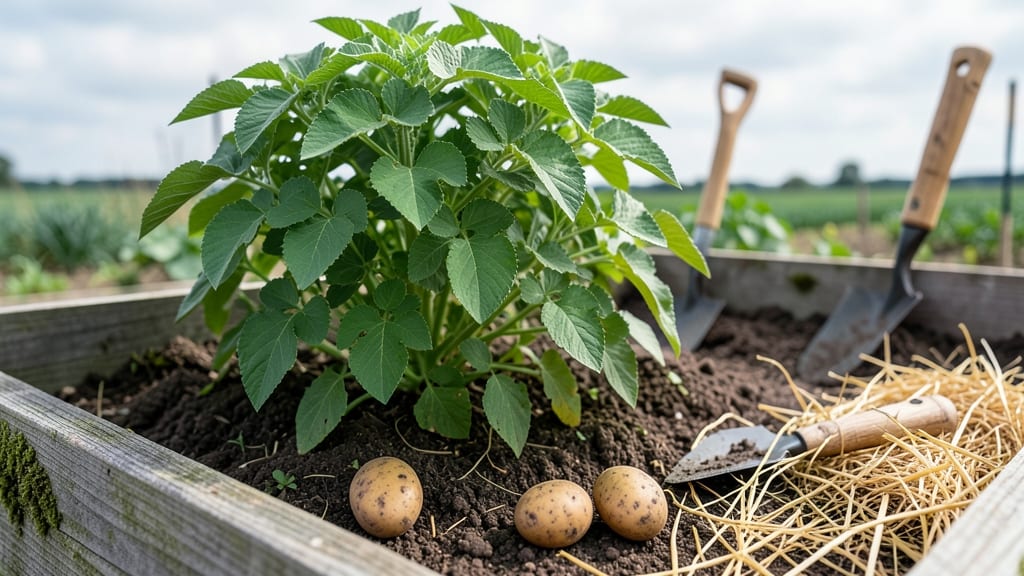
Planting potatoes in Arkansas starts 4 to 6 weeks before your last frost date—typically between mid-February and early April—to ensure a thriving crop before summer heat sets in.
Arkansas gardeners know timing is everything—plant potatoes too early, and frost will ruin your crop; too late, and you’ll miss the harvest window. Mastering the perfect schedule in USDA Zone 7b means the difference between a bountiful harvest of crisp, homegrown spuds and a disappointing yield.
Whether you’re growing early varieties like Yukon Gold or late-season favorites like Red LaSoda, the key is understanding your local frost patterns and soil conditions. Arkansas’ diverse microclimates—from river valleys to clay-heavy soils—can shift planting windows by weeks, so flexibility is just as important as the calendar.
In this guide, you’ll discover the exact planting timeline for your region, soil prep secrets, and how to extend the growing season with simple tricks. Let’s get those 🥔 in the ground at the perfect moment!
Arkansas potato planting calendar: exact dates by USDA Zone 7b
Mastering the perfect potato planting schedule in USDA Zone 7b means aligning your crop with Arkansas' average last frost date of March 15 and soil temperatures that stay above 40°F.
Early varieties like Yukon Gold thrive when planted in late February, while late-season types such as Red LaSoda can wait until mid-April. Missing these windows risks frost damage or a shortened harvest season.
Arkansas' climate offers a 200-240 frost-free day window, perfect for growing potatoes from early spring through fall. Soil temperature is your best guide—wait until it consistently stays above 45°F for 2-3 weeks before planting. This ensures strong tuber formation and avoids stunted growth from cold soil.
For maximum yield, plan to plant early, mid-season, and late varieties in staggered batches. Early potatoes (60-90 days) go in late February to early March, mid-season (90-110 days) in March to April, and late varieties (110-120 days) in April.
This strategy spreads out your harvest from June through October.
🌱
| Planting Stage | Zone 7b Arkansas Dates | Soil Temp Requirement | Key Notes |
|---|---|---|---|
| Early Varieties (60-90 days) | Late February - Early March | 40°F+ consistently | Harvest by June; ideal for Yukon Gold |
| Mid-Season Varieties (90-110 days) | March - Mid-April | 45°F+ consistently | Peak harvest July-August; great for Kennebec |
| Late Varieties (110-120 days) | Mid-April - Early May | 50°F+ consistently | Harvest September-October; best for Purple Viking |
| Soil Prep Window | January - February | N/A (pre-winter) | Add compost, test pH (5.8-6.5), loosen clay soil |
| Last Frost Date | March 15 (avg.) | N/A | Plant 4-6 weeks before this date |
In USDA Zone 7b, Arkansas gardeners can also experiment with fall planting for late-season harvests. Plant seed potatoes in late July to early August for a crop ready by October or November, just before the first frost.
This method works best with early-maturing varieties like Red Norland and requires careful water management to prevent rot.
Use black plastic mulch to warm soil faster in early spring or row covers to protect young plants from late frosts. These tools can extend your planting window by 2-3 weeks on either end.
For example, you might plant early varieties in mid-February with row covers, then remove them once plants reach 6 inches tall.
Monitor Arkansas Cooperative Extension Service updates for localized frost advisories, as microclimates near mountains or rivers can shift frost dates by 1-2 weeks. In these areas, delay planting by 7-10 days to avoid frost damage. Always keep a thermometer in your garden to track soil temperatures accurately.
🌿
For container growing, start seed potatoes indoors 6-8 weeks before your last frost date (around January 15). Use 5-gallon buckets with drainage holes and transplant outdoors after the last frost.
This method is perfect for urban gardeners or those with limited space, though yields may be 20-30% smaller than in-ground planting.
Remember: Potatoes need consistent moisture—aim for 1-1.5 inches per week—but avoid waterlogging. Use drip irrigation or soaker hoses to keep soil evenly moist without wetting the foliage, which reduces disease risk. Mulch with straw or grass clippings to retain moisture and suppress weeds.
✂️
How to adjust potato planting for Arkansas’ microclimates and soil types
Arkansas’ diverse landscapes—from the clay-heavy soils of the Delta to the well-draining loam of the Ozark foothills—demand tailored potato planting strategies. The key to success lies in understanding your local microclimate and adjusting soil conditions to prevent waterlogging or nutrient deficiencies.
Urban gardeners in Little Rock face different challenges than those in the Arkansas River Valley, where humidity and heat can stress plants.
Start by testing your soil’s drainage and pH (ideal range: 5.0–6.5). Arkansas’ native clay soils often compact easily, trapping moisture and stunting tuber growth. Amend heavy clay with compost, sand, or peat moss to improve aeration.
In sandy soils common near riverbanks, mix in organic matter like leaf mold to retain moisture and nutrients.
⚠️ WARNING: Arkansas’ Frost & Soil Pitfalls Arkansas’ last frost date varies by region—March 15 in northern areas (Zone 7a) but as late as April 1 in southern zones (Zone 8a). Planting too early risks frost damage to young sprouts, while late planting cuts harvest time.
For clay soils, avoid planting until soil warms to 50°F (10°C)—cold soil slows germination. In river valleys, where humidity is high, use raised beds or mound planting to improve drainage and reduce disease risk like late blight.
Urban gardeners with limited space can use container growing with lightweight potting mix and drainage holes.
Extend Arkansas’ short growing season with black plastic mulch or row covers. Lay mulch 2–3 weeks before planting to warm soil faster and suppress weeds. Row covers protect early plantings from late frosts (common in April) and pests like Colorado potato beetles.
For fall harvests, plant late varieties (like Kennebec) in August and use mulch to insulate tubers from early frosts.
Watering is critical in Arkansas’ humid summers. Deep water once weekly (1–1.5 inches) to encourage deep tuber formation, but avoid overhead watering to prevent fungal diseases. In urban gardens, drip irrigation works best to deliver moisture directly to roots.
For river valley gardens, where heat and humidity spike, water early in the morning to reduce evaporation and disease pressure.
Choose varieties suited to your microclimate: Yukon Gold thrives in cooler northern Arkansas, while Red LaSoda handles the heat of the Delta. In clay soils, prioritize early-maturing varieties (60–90 days) to harvest before soil compaction becomes an issue.
For sandy soils, opt for longer-season varieties like Russet Burbank to maximize yield.
Monitor soil moisture and adjust mulch thickness based on rainfall. In drought-prone years, add 2–3 inches of straw mulch to retain moisture. Arkansas’ variable weather means flexibility—stay vigilant for signs of stress like yellowing leaves (overwatering) or stunted growth (underwatering or poor soil).
With these adjustments, you’ll turn Arkansas’ challenges into a high-yield potato patch!