
Plants
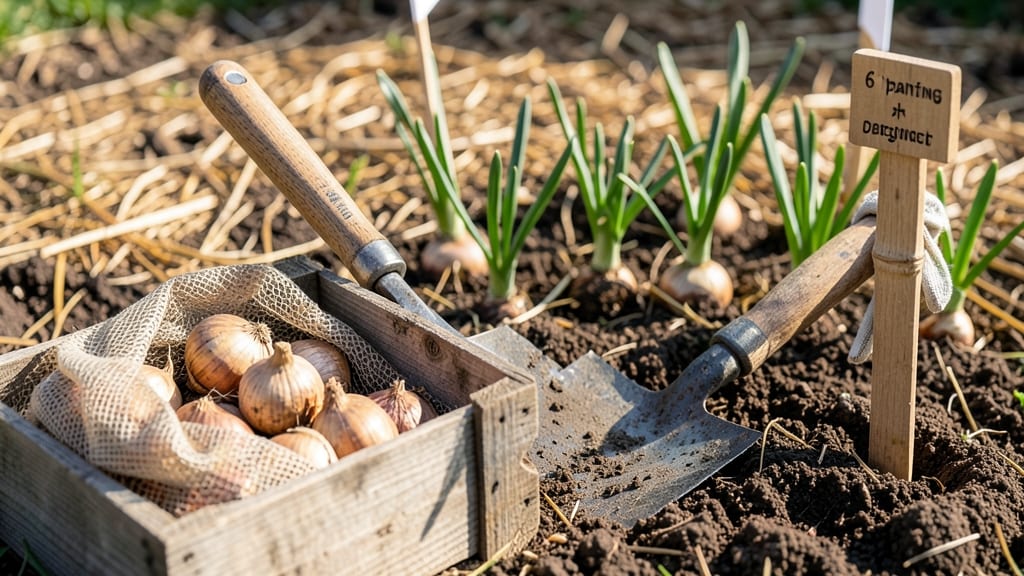
Planting daffodils in California requires knowing when to plant them for vibrant blooms in spring, since coastal and inland zones have wildly different frost timelines.
California gardeners know timing is everything—plant daffodil bulbs too early, and they’ll rot; too late, and they’ll miss the winter chill they need to bloom. But with coastal fog and inland heat creating wildly different climates, when exactly should you plant these cheerful yellow flowers?
In cooler inland areas like the Sierra foothills (USDA Zone 7), aim for October, giving bulbs time to root before the first frost. Meanwhile, milder coastal regions (Zone 10) can wait until December, when soil temperatures drop below 60°F.
Below, I’ll break down the exact window for your microclimate, how to prep soil for bulbs, and the one trick that ensures stronger blooms next year—no matter where you garden in the Golden State.
Optimal planting months for daffodils in California’s coastal vs inland regions
California’s diverse climate means your daffodil planting schedule depends entirely on whether you live near the coast or inland. Coastal areas like San Francisco and Santa Barbara enjoy mild, wet winters, while inland spots like Sacramento or Bakersfield face hot summers and colder winters.
These differences create a 6-week window shift in ideal planting times—get it wrong, and your bulbs may rot or fail to bloom.
Daffodils need 6-8 weeks of winter chill to trigger flowering, but they also hate soggy soil. Coastal regions stay damp longer, while inland zones dry out faster. The key is planting when soil temps drop to 60°F (15°C)—cooler for inland areas, later for coastal ones.
Let’s break it down by microclimate to ensure your 🌼 daffodils thrive.
For coastal gardeners, think of November and December as your planting sweet spot. The mild, wet winters mean soil stays damp longer, so aim for late November to avoid soggy conditions. Inland areas should plant by mid-November, giving bulbs time to root before the first frost.
Use a soil thermometer to confirm temps are below 60°F (15°C)—this is your cue to start.
Pro tip: If you’re in Zone 10 (like coastal Orange County), don’t rush—plant in December to align with natural winter rains. For Zone 7 (like the Sierra foothills), push planting to September if early frosts are expected.
The USDA Plant Hardiness Zone Map is your best friend here; cross-reference with local weather patterns for precision.
Soil prep matters just as much as timing. Daffodils hate waterlogged soil, so amend heavy coastal clay with compost or sand, while inland gardeners should focus on organic matter to retain moisture.
Plant bulbs 6 inches deep and 6 inches apart—this spacing prevents rot and encourages robust blooms. After planting, mulch with 2-3 inches of straw to insulate roots and conserve moisture.
Watch for unpredictable frosts, especially in transitional zones like San Diego County. Coastal areas may see light frosts in January, while inland valleys can drop below freezing by December 15. If frost is forecasted, delay planting by 2-3 weeks to let bulbs establish roots.
Conversely, if your winter stays frost-free (common in Zone 10), you can plant as late as January—just ensure bulbs get their required chill hours.
One more critical note: Bulb size affects timing. Large bulbs (2+ inches) can handle slightly later planting, while small bulbs need extra time to root. For coastal gardens, prioritize large bulbs if planting in December.
Inland gardeners should plant medium-sized bulbs in October to balance root growth and frost risk. Always choose firm, dry bulbs with no signs of mold—this ensures a strong start.
Finally, mark your calendar for spring blooms. Daffodils planted in November (coastal) or October (inland) will reward you with March–April flowers, just in time for California’s mild spring weather. The key takeaway? Plant early enough to
How to adjust planting time for early/late blooms and bulb varieties
Not all daffodils bloom at the same time, and your California microclimate plays a huge role in timing. Early varieties like ‘Tête-à-Tête’ (dwarf, 6-inch blooms) need planting 6-8 weeks before frost, while late bloomers like ‘Ice Follies’ (white, ruffled petals) can wait until mid-November in Zone 10.
Smaller bulbs (size 12-14) establish faster than large bulbs (size 5-6), so adjust timing accordingly.
For indoor forcing, plant ‘Paperwhite’ daffodils in late September in pots for Christmas blooms. Place pots in a cool, dark location (like a garage) for 10-12 weeks before moving to bright light.
Larger bulbs (size 5-6) produce more blooms but need deeper pots (6+ inches) to prevent overheating.
Your USDA Zone dictates fine-tuning: In Zone 7 (mountains), plant by mid-October; in Zone 10 (coastal), wait until December. Bulb size matters—smaller bulbs (size 12-14) can handle later planting because they establish quicker, while giants (size 5-6) need early starts to develop strong roots before winter.
To stretch your daffodil season, mix varieties: Plant ‘Tête-à-Tête’ in October for early blooms and ‘Ice Follies’ in November for late-season color. For container forcing, use well-draining soil and place pots near a south-facing window after chilling.
Larger bulbs (size 5-6) need deeper pots (8+ inches) to prevent root binding.
Pro tip: Label your bulbs by variety and planting date to track bloom times. In Zone 10, where winters are mild, add a light frost blanket for 4–6 weeks after planting to mimic chilling requirements.
Smaller bulbs (size 12-14) can handle this better than giants, which may rot if over-chilled.
Adjust for early/late frosts: If your area gets unexpected frost in November, plant ‘Tête-à-Tête’ in containers and move them to a sheltered spot. For late bloomers like ‘Ice Follies’, delay planting until mid-November in Zone 9–10 to avoid winter rains that can cause rot.