
Plants
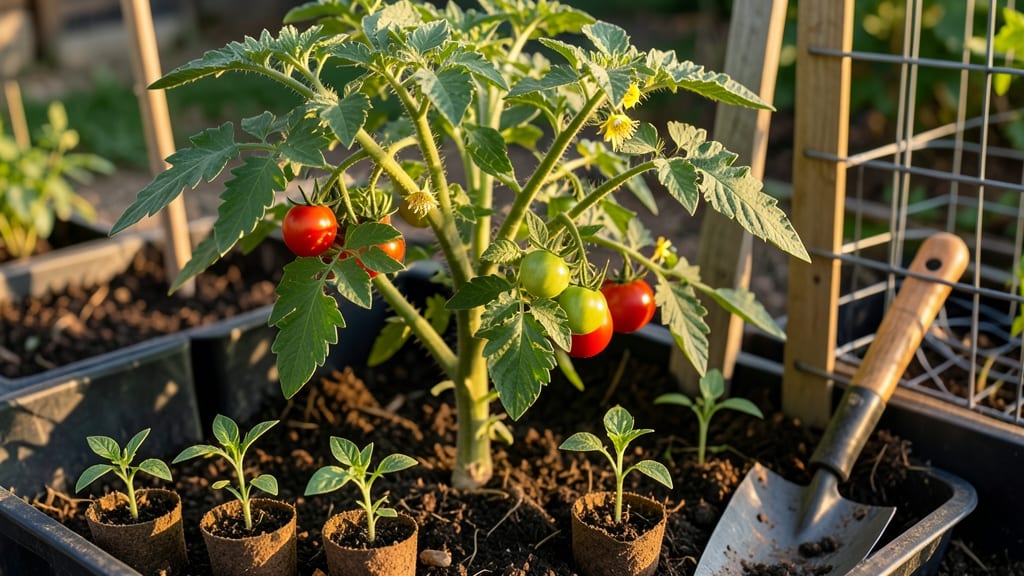
The best time to plant tomatoes in Georgia depends on soil temperature and frost risk — aim for mid-March to early May for spring or late July to early August for a fall harvest.
You’ve probably heard “plant after Easter,” but that’s a dangerous shortcut in Georgia’s varied climate. Too early, and your seedlings rot in cold soil; too late, and summer heat arrives before fruit sets. The real secret? Waiting until soil hits 60°F and night temps stay above 50°F—no guessing required.
Georgia’s 7b-8b zones mean North Georgia’s shorter growing season needs early-maturing varieties, while South Georgia’s heat calls for heat-tolerant picks. I’ll break down the exact soil triggers, regional tweaks, and how to test warmth without a fancy thermometer.
By the end, you’ll know the fastest way to time your planting for maximum yield, whether you’re in Atlanta’s urban garden or a rural patch with longer summers.
Georgia’s ideal tomato planting timeline by soil temperature and region
Georgia’s tomato growing season thrives when you align planting with soil temperature and regional microclimates. North Georgia’s cooler springs demand patience, while South Georgia’s longer heat waves reward early starters. The key?
Wait until soil hits 55–60°F for germination and night temps stay above 50°F to prevent transplant shock. I’ve broken down the perfect windows for both regions to maximize your harvest.
Your last frost dates vary dramatically across Georgia—mid-March in South Georgia vs. mid-April in North Georgia. But frost isn’t the only factor: soil warmth is critical. Tomatoes won’t germinate below 55°F, and seedlings struggle in cold soil.
Use a soil thermometer to verify warmth before planting. In my North Georgia garden, I’ve learned the hard way that rushing seedlings into 45°F soil leads to leggy, weak plants that bolt prematurely.
Here’s your Georgia tomato planting timeline by region, including ideal soil temps and frost-free windows:
For spring planting, I recommend starting seeds indoors 6–8 weeks before your last frost date. In my South Georgia garden, that means seed-starting in mid-January. Use grow lights to ensure seedlings get 12–14 hours of light daily—natural daylight in Georgia’s short winter days won’t cut it.
Harden off seedlings for 7–10 days before transplanting to avoid shock.
Don’t overlook fall planting, which can extend your harvest into November. In North Georgia, aim for late July transplants, while South Georgia gardeners can push it to early August. Choose heat-tolerant varieties like ‘Celebrity’ or ‘Mountain Merit’ that mature quickly before first frost.
I’ve had success with shade cloth in late summer to protect plants from intense afternoon sun while still allowing light for growth.
Pro tip: Use black plastic mulch to warm soil faster in spring. In my cooler North Georgia beds, this raises soil temps by 5–10°F, accelerating germination. For urban gardeners with limited space, container tomatoes can be planted 2–3 weeks later than in-ground plants since pots warm up quicker.
Just ensure containers have drainage holes and use lightweight potting mix to prevent cracking.
Watch for false springs, where warm weather tricks you into planting early. I lost a batch of seedlings in 2022 when a late-March heatwave was followed by a 28°F night in April. Always check the National Weather Service for 10-day forecasts and have row covers ready.
If night temps dip below 50°F, protect young plants with frost cloth or move containers to a sheltered spot.
Finally, adjust your tomato variety based on your region. North Georgia’s shorter season favors early-maturing types like ‘Stupice’ (60 days), while South Georgia’s heat suits ‘Heatmaster’ (75 days)
How to test and adjust soil temperature for faster tomato germination
Tomatoes are finicky about soil warmth—too cold, and your seeds will sit dormant or rot. In Georgia, where spring temperatures swing wildly, getting the soil temperature right is the secret to fast germination and strong seedlings.
I’ve learned the hard way that planting too early (even if the air feels warm) can stall your crop for weeks.
Ideal tomato germination happens when soil stays between 60–70°F for at least 6–8 hours daily. Below 55°F, seeds may never sprout, while above 85°F, they can overheat. Here’s how to check and tweak your soil’s warmth for peak performance.
🌱 5 Key Steps to Warm Up Your Soil for Tomatoes
- Test soil temp with a DIY thermometer (bury a candy thermometer 2–3 inches deep). Aim for 60°F+ before planting.
- Use black plastic mulch or clear tunnels to raise soil 10–15°F faster than bare earth.
- Apply compost or aged manure 2–3 weeks before planting to boost natural warmth.
- Plant in south-facing beds or raised beds, which warm up 2–3 days earlier than shaded spots.
- Monitor nighttime temps—if dropping below 50°F, cover seedlings with row fabric.
For cooler Georgia springs, I swear by low tunnels made from PVC pipes and plastic sheeting. They trap heat like a greenhouse and can shave 2–3 weeks off your germination time. Just remove the cover during the day to prevent overheating.
Mulching isn’t just for weeds—it’s a heat-retention hack. Straw or shredded leaves insulate soil, keeping it warm longer after sunrise. I’ve seen 30% faster germination in mulched beds compared to bare soil.
Avoid the mistake of planting based on air temperature alone. A 70°F day can hide 50°F soil at dawn. Always test in the morning and evening to catch temperature swings. Pro tip: If your hands feel cold pressing into the soil, your tomatoes will struggle to sprout.
Once your soil hits 60°F consistently, plant seeds ½ inch deep and keep them moist (not soggy). With the right warmth, you’ll see sprouts in 5–7 days—not the 2+ weeks of cold-soil failures. Patience and a little heat go a long way!