
Companion Plants
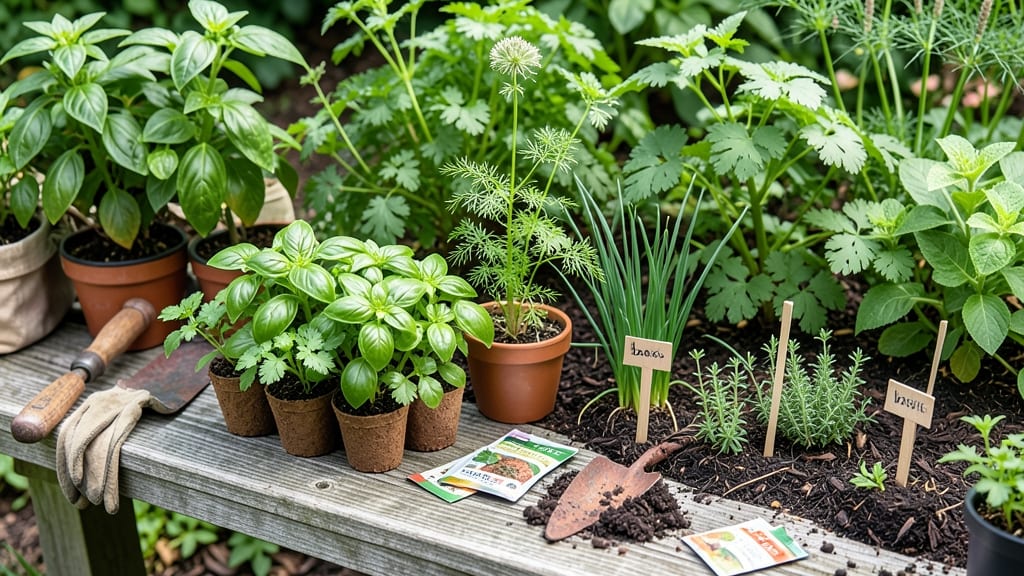
Planting herbs in North Carolina at the right time means the difference between a thriving 🌿 kitchen garden and a sad, wilted disappointment.
North Carolina’s diverse climate—from coastal breezes to mountain highlands—means planting herbs at the wrong time can spell failure. But nail these microclimate-specific deadlines, and you’ll enjoy fresh basil, mint, and cilantro thriving in your garden all season long.
For most of the state, that window opens around mid-March after the last frost, but coastal areas can start as early as February, while mountain regions often wait until April. Whether you’re growing tender basil or hardy rosemary, timing is everything.
Below, I’ll break down the exact planting schedule for NC’s three regions, plus pro tips to stretch your growing season and keep your herbs productive from spring to fall.
NC herb planting deadlines by microclimate zone (inland vs coastal vs mountain)
North Carolina’s three distinct growing zones—Coastal Plain, Piedmont, and Mountain—each have unique frost patterns and microclimates that dictate when to plant your favorite herbs.
In the Coastal Plain, milder winters mean you can start cilantro and parsley as early as February, while mountain gardeners in the Appalachians often wait until mid-April to avoid late frosts. The Piedmont falls somewhere in between, with a balanced frost-free window from mid-March to late March.
Understanding these differences ensures your basil, rosemary, and thyme thrive without risking frost damage.
For annual herbs like basil and cilantro, timing is critical—they bolt (flower prematurely) in heat or cold. Perennial herbs such as rosemary and thyme, however, are more forgiving and can handle wider planting windows.
Coastal areas benefit from longer growing seasons, while mountain regions often have shorter windows but cooler temperatures that slow herb growth. Let’s break down the exact planting deadlines for each zone to help you plan your herb garden like a pro.
🌱
| Zone | Last Frost Date | Best Planting Window | Cold-Hardy Herbs | Heat-Loving Herbs |
|---|---|---|---|---|
| Coastal Plain | Mid-February | Feb 15 - Apr 15 | Parsley, Cilantro, Chives | Basil, Oregano, Thyme |
| Piedmont | Late March | Mar 20 - May 1 | Mint, Dill, Sage | Rosemary, Basil, Lavender |
| Mountain | Mid-April | Apr 15 - May 15 | Thyme, Oregano, Parsley | Basil, Cilantro, Chives |
In the Coastal Plain, where winters are mild, you can start cool-season herbs like parsley and cilantro as early as mid-February. However, avoid planting basil until after April 15, as it won’t tolerate frost.
The Piedmont zone offers a balanced timeline, with most herbs thriving when planted between late March and early May. Rosemary and lavender are excellent choices here, as they handle the region’s warmer summers well.
Meanwhile, mountain gardeners should wait until mid-April to plant, focusing on thyme and oregano, which are more cold-resistant.
For succession planting, coastal gardeners can extend their growing season by sowing basil every 2-3 weeks from April through June. In the Piedmont, aim for 3-4 plantings of cilantro to avoid bolting, while mountain gardeners should stick to one or two plantings due to the shorter season.
Always check your local USDA hardiness zone (NC ranges from 7a-8b) for precise frost dates, as microclimates within each zone can vary significantly.
🌿
If you’re growing perennial herbs like rosemary or thyme, plant them in spring (after the last frost) or early fall (before the first frost). These herbs establish roots more easily in cooler weather and can withstand the occasional light frost.
For annuals, such as basil and cilantro, prioritize planting after the soil temperature reaches 60°F or higher. Use a soil thermometer to monitor conditions, especially in the Piedmont and Mountain zones, where cooler soils can delay germination.
Pro tip: Use row covers or cold frames to extend your planting window by 2-3 weeks in cooler zones. This is especially useful for basil and cilantro, which struggle in chilly soils.
In the Coastal Plain, where summers are long and hot, provide afternoon shade for delicate herbs like basil to prevent wilting. Mulching with straw or wood chips helps retain moisture and regulate soil temperature across all zones.
💧
Remember, herbs need full sun (6+ hours daily) to thrive, but their planting deadlines vary by type. Basil and cilantro are heat-sensitive and should be planted early in the season, while rosemary and thyme can handle later plantings and even light frosts.
By aligning your planting schedule with your microclimate, you’ll maximize your harvest and enjoy fresh herbs all season long—whether you’re in the Coastal Plain, Piedmont, or Mountains.
✂️
How to extend your herb growing season in North Carolina’s unpredictable weather
North Carolina’s spring and fall transitions can be as unpredictable as our weather forecasts. One day it’s warm enough to plant basil, and the next, a surprise frost threatens your tender herbs.
The key to success? Extending your growing season with smart strategies that protect your plants from both early cold snaps and late-season heat waves.
I’ve learned through trial and error that even hardy herbs like rosemary and thyme benefit from a little extra protection.
Whether you’re dealing with coastal humidity, mountain chill, or Piedmont heat, these methods will help you push your herb garden’s boundaries—keeping your cilantro from bolting too soon and your basil thriving past Labor Day.
🌱 Numbered Highlights: Extend Your Herb Season
- Use cold frames to plant hardy herbs like parsley and chives 4-6 weeks before your last frost date (typically late February to early March in NC).
- Cover tender herbs with floating row covers to protect against light frosts (down to 25°F) and extend harvests into late fall.
- Practice succession planting every 2-3 weeks from April through July to ensure a continuous supply of fast-growing herbs like basil and dill.
- Choose heat-tolerant varieties such as Genovese basil or Sante Fe thyme for late-season planting (August-September).
- Mulch heavily with straw or leaves to insulate soil and maintain consistent temperatures during erratic spring/fall transitions.
For early spring planting, I swear by cold frames—they create a microclimate that’s 10-15°F warmer than outside. This lets me start planting parsley and chives as early as late February in the Piedmont, or even January in coastal zones where winters are milder.
Just remove the top when daytime temperatures consistently stay above 50°F to harden off your plants.
When late-season heat arrives, shade cloth becomes my best friend. Drape it over containers of basil or cilantro to filter 30-50% of sunlight during peak afternoon hours. This prevents bolting while keeping your herbs productive. I’ve successfully extended my cilantro harvest into early October using this method in Raleigh.
Don’t overlook succession planting—it’s the secret to a never-ending herb harvest. Instead of planting all your basil at once in May, stagger your plantings every 2-3 weeks through July.
This ensures you’ll always have fresh leaves while the previous batch matures. Pair this with heat-tolerant varieties like Thai basil, which handles NC’s summer heat better than traditional Genovese.
Pro tip: Mulch your herb beds with 3-4 inches of straw or wood chips to regulate soil temperature. This simple step can mean the difference between healthy growth and stunted herbs during our unpredictable spring warm-ups and fall cool-downs.
Just remember to keep mulch 2 inches away from stems to prevent rot.
With these strategies, you’ll transform NC’s erratic weather into an advantage. Your herb garden will stay productive 3-4 weeks longer on each end of the season—giving you fresh cilantro for Thanksgiving salads and rosemary for holiday roasts when stores are out of season. Happy growing!