
Plants
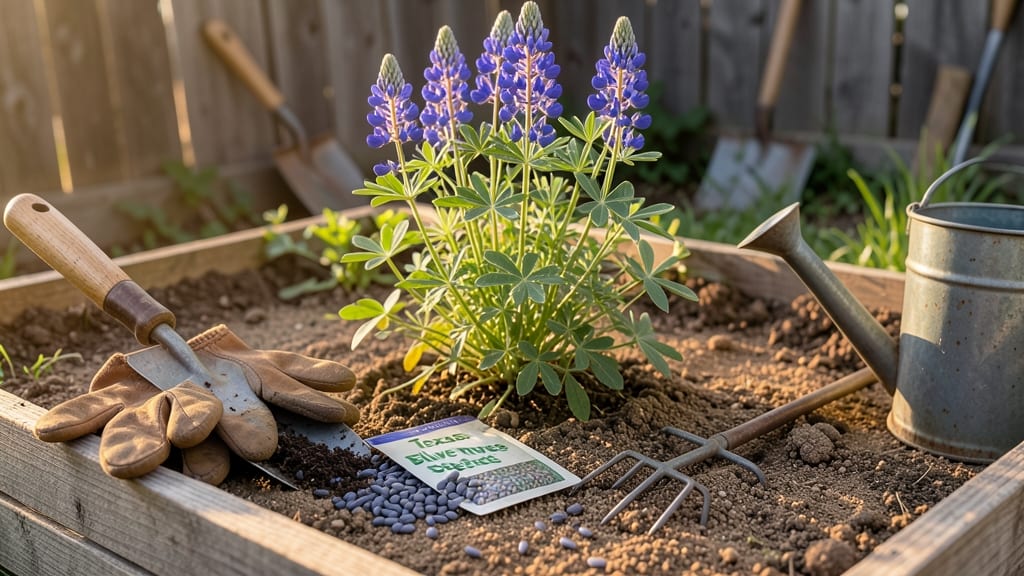
Planting bluebonnet seeds in Central Texas between late September and November ensures vibrant spring blooms 🌸—just before the first frost locks in the soil.
Central Texas is famous for its stunning bluebonnet fields, but timing your planting is everything—get it wrong, and you’ll miss the magic. Plant too early, and frost may kill seedlings; too late, and you’ll delay next spring’s vibrant blue carpets.
This fall window lets seeds germinate slowly, developing strong roots before winter. The key is preparing soil that drains well and stays dry, since bluebonnets hate soggy conditions.
Below, I break down the exact planting timeline, soil prep tips, and microclimate tricks to guarantee your seeds thrive—and transform your landscape into a sea of blue next spring.
Optimal bluebonnet planting timeline for Central Texas climates
Central Texas gardeners know the magic of bluebonnet blooms painting the landscape in spring, but the secret starts with fall planting timing. Unlike many plants, bluebonnets (Lupinus texensis) thrive when sown in cool fall months, allowing seeds to germinate after winter rains.
The key window is between late September and November, when soil temperatures drop but remain above 50°F—perfect for seed stratification.
This timing ensures seeds survive winter dormancy and germinate in late winter or early spring, when moisture returns. Plant too early (like August), and seeds may sprout before first frost (typically December 1 in Central Texas), while planting too late (after November) risks seeds not establishing roots before winter.
Let’s break down the month-by-month strategy to maximize your chances of seeing those iconic blue carpets next spring.
In September, focus on soil preparation—bluebonnets prefer well-draining, slightly acidic soil (pH 6.0-7.0). Lightly rake the surface to create a fine seedbed and scatter seeds without covering them (they need light to germinate). A light mulch of straw helps retain moisture during fall rains, which trigger germination.
By October, prioritize planting in south-facing slopes or sunny meadows where seeds stay warmer. Avoid low-lying areas prone to frost pockets. If your area hasn’t received rain, water lightly after planting to settle seeds into the soil.
Bluebonnets are drought-tolerant, but young seedlings need consistent moisture until roots establish.
In November, your last planting window, focus on high-traffic areas like roadsides or fields where seeds can self-sow naturally. After planting, avoid disturbing the soil—bluebonnet seeds are tiny and need stable conditions to germinate.
If frost arrives early, cover planted areas with straw mulch to insulate seeds until spring.
After planting, minimal care is needed until spring. Bluebonnets self-stratify over winter, meaning cold temperatures break seed dormancy naturally. In March, you’ll see tiny green shoots emerge, followed by vibrant blue blooms by April.
The earlier you plant in fall, the sooner you’ll enjoy those iconic Texas bluebonnet fields.
Pro tip: If you miss fall planting, you can sow seeds in late winter (February), but germination rates drop significantly. For best results, stick to the September-November window and let Central Texas’s unpredictable rainfall and cool nights do the work for you.
Remember, bluebonnets are native wildflowers, so they thrive with minimal intervention. Once established, they’ll re-seed themselves year after year, creating self-sustaining meadows that
How to prepare soil and plant bluebonnet seeds for maximum success
Bluebonnets (Lupinus texensis) thrive in Central Texas when planted in well-prepared, dry soil with minimal disturbance. Unlike many flowers, they don’t need rich soil—they actually prefer lean, native conditions that mimic their natural prairie habitat.
The key to success lies in proper soil prep and understanding their unique germination requirements.
Start by choosing a sunny location with at least 6 hours of direct sunlight daily. Bluebonnets hate competition, so remove any existing weeds or grasses from the area.
Unlike many garden plants, they don’t require deep soil—just a loose top layer where seeds can make contact with minimal soil coverage.
- Choose a sunny, open area with 6+ hours of sunlight and well-draining soil.
- Rake the soil surface to create a fine, loose texture—avoid tilling deeply.
- Scatter bluebonnet seeds lightly by hand, aiming for 10-15 seeds per square foot.
- Lightly rake seeds into the soil to cover them no deeper than 1/8 inch.
- Water gently but thoroughly to moisten the soil, then reduce watering to prevent rot.
- Apply a thin layer of mulch (straw or leaves) to retain moisture without smothering seeds.
After planting, avoid overwatering—bluebonnets are drought-tolerant once established. Water only when the top inch of soil feels dry, typically about once per week in fall. Once seedlings appear (usually in 2-4 weeks), reduce watering further to encourage deep root growth.
For best results, add a light layer of compost (no more than 1 inch) to improve soil structure without altering its natural composition. Bluebonnets also benefit from minimal fertilization—they’re adapted to poor soils and may bloom less vigorously with heavy amendments.
If your soil is extremely compacted, work in a small amount of sand to improve drainage.
Remember, bluebonnets are self-seeding annuals—once established, they’ll return year after year from fallen seeds. To encourage natural spread, avoid disturbing the soil after planting. With the right prep, your bluebonnets will reward you with vibrant spring blooms for years to come.
🌸