
Plants
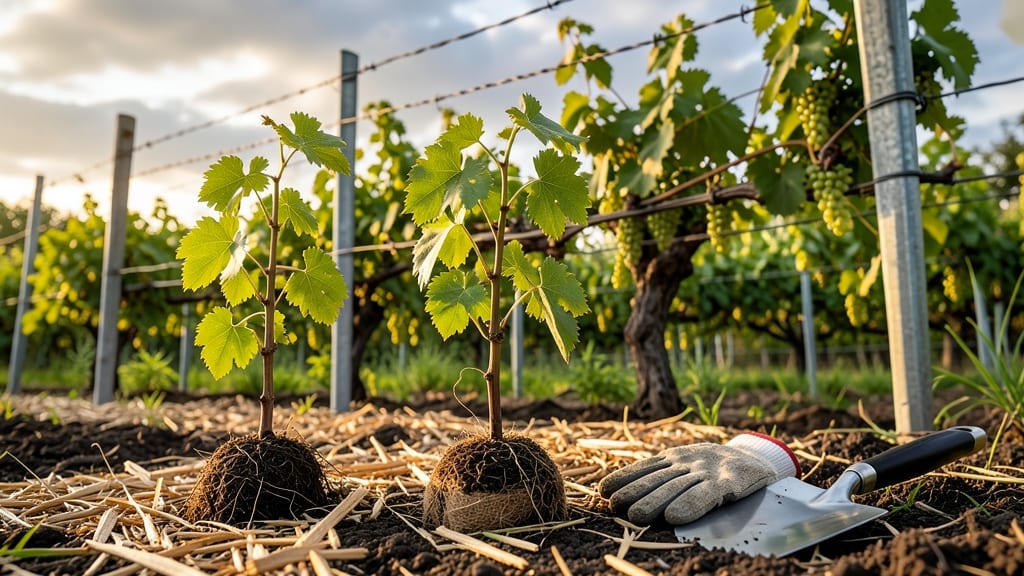
Planting grapes in Florida at the right time means the difference between lush, productive vines and struggling plants that never quite recover from the heat.
Florida’s scorching summers and unpredictable weather can make grape planting a high-stakes gamble—but timing is everything for thriving 🍇 vines. Plant too early or late, and your grapevines may struggle to establish roots or survive extreme heat.
Most gardeners in Florida’s 8a-11 zones get it wrong by planting in the peak summer months, when the vines wilt before they even take hold. The secret? Late winter to early spring or fall—when temperatures are cooler and the soil stays moist just enough to support new growth.
In this guide, I’ll walk you through the exact months to plant in your region, how to prep your soil for Florida’s heat, and the best grape varieties that actually thrive here—no guesswork required.
Best planting months for Florida grapes by heat zone
Florida’s three distinct heat zones—North, Central, and South—create wildly different conditions for grape growers. In the North (USDA Zones 8a-8b), frost risks linger until mid-January, while the South (Zones 10a-11) enjoys frost-free winters year-round.
Even the Central Zone (9a-9b) experiences microclimates where timing can mean the difference between thriving vines and failed harvests. Let’s break down the ideal planting windows for each zone, including soil prep and temperature thresholds to maximize success.
For all Florida zones, fall planting (September-October) is the gold standard. This timing lets vines establish roots before winter while avoiding summer’s brutal heat.
However, North Florida gardeners can also plant in late winter (February-March) after frost danger passes, while South Florida can extend planting into early November—just before the rainy season peaks.
The key is aligning with soil temperatures above 60°F and avoiding periods of extreme humidity (like July-August), which promotes fungal diseases.
Soil preparation is equally critical. Test your soil’s pH (aim for 6.0-6.5) and amend with compost or aged manure 4-6 weeks before planting. In sandy Florida soils, mix in organic matter to improve water retention, while clay-heavy areas benefit from gypsum to loosen compaction. Drainage is non-negotiable: Grapes hate soggy roots, so avoid low-lying spots or areas with poor drainage.
Here’s a zone-by-zone breakdown of optimal planting months, temperature thresholds, and frost risks to guide your timing:
| Heat Zone | Best Planting Months | Soil Temp Threshold | Frost Risk | Key Varieties |
|---|---|---|---|---|
| North Florida (Zones 8a-8b) | September-October or February-March | 60°F+ (soil) | Last frost: Jan 15; first frost: Dec 1 | Muscadine, Norton, Cynthiana |
| Central Florida (Zones 9a-9b) | August-October (fall preferred) | 65°F+ (soil) | Occasional light frost (Nov-Mar) | Scuppernong, Black Spanish, Red Malaga |
| South Florida (Zones 10a-11) | September-November | 70°F+ (soil) | Frost-free year-round | Blanco, Ruby, Flame Seedless |
In North Florida, the February-March window works because daytime temperatures climb into the 70s°F by March, while nights remain cool enough to prevent heat stress. However, avoid planting in April—summer’s oppressive heat arrives quickly, and young vines struggle to establish roots.
For Central Florida, August planting is risky due to peak humidity and fungal pressure, so September-October is ideal. South Florida’s longer growing season allows for a broader window, but planting after November 15 risks hurricane season disruptions and soil saturation from rains.
One critical adjustment for all zones is mulching. Apply 3-4 inches of organic mulch (straw or wood chips) around vines to retain moisture and regulate soil temperature.
In North Florida, mulch also protects roots from winter temperature swings, while in South Florida, it shields roots from intense summer heat. Pair mulch with drip irrigation to deliver water directly to roots, reducing evaporation and fungal risks.
For container-growing grapes—common in urban or high-humidity areas—plant in large pots (15+ gallons) with fast-draining mix (50% potting soil, 30% perlite, 20% compost). Containers let you move vines to shade during peak summer heat (10 AM–3 PM) in South Florida or protect them from frost in North Florida.
Just ensure pots have drainage holes and elevate them to prevent waterlogging.
Finally, choose varieties matched to your zone. Muscadine grapes dominate North Florida due to their disease resistance, while Vitis vinifera (e.g., Flame Seedless) thrive in South Florida’s heat but require more care in Central Florida.
Always buy bare-root plants from reputable nurseries (like UF/IFAS Extension partners) to avoid diseased stock. With the right timing and variety, your Florida grapevines can produce abundant harvests year after year.
🍇
How to adjust planting for Florida’s microclimates
Florida’s climate varies dramatically from the coastal humidity of Miami to the drier inland areas of Orlando, and even urban heat islands in cities like Tampa. These microclimates demand tailored approaches to grape planting.
Coastal regions benefit from sea breezes that moderate temperatures, while inland zones face higher heat stress and soil salinity risks from irrigation.
Urban gardens often struggle with compacted soil and limited airflow, requiring raised beds or containers. Meanwhile, rural areas with sandy soil need extra organic matter to retain moisture. Adjusting your planting strategy based on these conditions can mean the difference between a thriving vineyard and a struggling crop.
Florida Microclimate Adjustments for Grapes
- ✅ Pros: Natural sea breezes reduce heat stress
- ✅ Pros: Higher humidity supports faster growth
- ✅ Pros: Salinity risks lower with proper irrigation
- ✅ Pros: Raised beds improve drainage
- ✅ Pros: Containers allow mobility for shade
- ✅ Pros: Less pest pressure than rural areas
- ✅ Pros: Lower humidity reduces fungal risks
- ✅ Pros: Warmer nights extend growing season
- ❌ Cons: Higher heat stress requires shade
- ❌ Cons: Soil compaction in urban areas
- ❌ Cons: Salt buildup from coastal irrigation
- ❌ Cons: Limited airflow in dense plantings
For coastal plantings, I recommend Muscadine grapes, which tolerate salt spray and high humidity. In urban settings, opt for dwarf varieties like 'Black Beauty' to save space. Inland growers should prioritize Vitis vinifera rootstocks, which handle intense heat better than traditional varieties.
Shade strategies are critical in South Florida’s year-round heat. Install partial shade cloth (30-50%) over vines during peak afternoon sun (12 PM–4 PM). In North Florida, focus on morning sun exposure to avoid heat stress in summer.
Pair this with drip irrigation to deliver water directly to roots, reducing evaporation.
Soil amendments are non-negotiable. Coastal areas need gypsum to counteract salt buildup, while inland zones benefit from composted pine bark to improve water retention.
Test your soil’s pH (6.0–6.5 ideal) and organic matter before planting. In urban containers, mix in perlite to prevent root rot from poor drainage.
Monitor leaf color and vine vigor closely. Yellowing leaves in coastal areas may signal salt stress, while wilting in inland zones often indicates underwatering. Adjust your approach seasonally: reduce watering in fall to harden vines for winter, and increase shade in summer to protect fruit quality.