
Plants
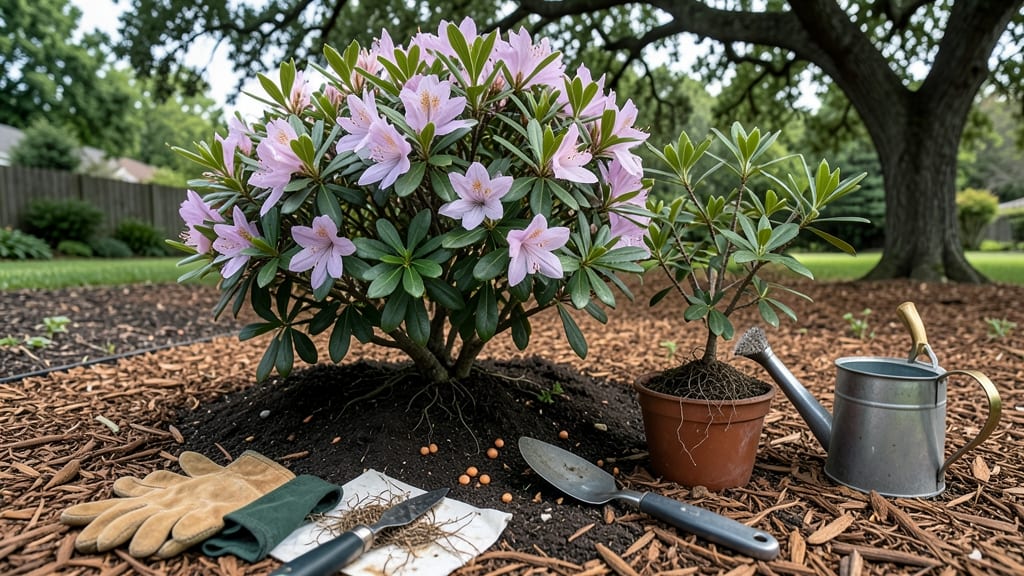
Planting azaleas in Zone 9 during late fall to early spring 🌸 gives them the best shot at thriving blooms before summer’s brutal heat arrives.
Struggling to time your azalea planting in Zone 9? Get it wrong, and your beautiful blooms may never appear—or worse, your plant could fail entirely. The key lies in understanding the delicate balance between heat, humidity, and soil conditions that make or break azalea success in this climate zone.
Zone 9’s mild winters and long, hot summers mean azaleas need a head start. Planting in November through February lets roots establish before the heat ramps up, while avoiding the stress of summer planting.
Below, I’ll walk you through the best months, soil prep secrets, and post-planting care to ensure your azaleas not only survive but flourish with vibrant blooms year after year.
Optimal planting windows for azaleas in Zone 9: month-by-month guide
Planting azaleas in Zone 9 requires precision—too early, and they’ll struggle with summer heat; too late, and they may not establish roots before the next growing season.
Unlike cooler climates, Zone 9’s mild winters and intense summers demand a narrow window where humidity stays moderate and soil temperatures remain cool.
My experience shows that late fall to early spring is ideal, but timing varies by region within Zone 9, from Southern California’s coastal breezes to Arizona’s desert dryness.
The biggest mistake I see? Planting azaleas in summer or early fall when temperatures exceed 85°F (29°C). This causes transplant shock and root desiccation. Even container-grown azaleas need special care—their roots dry out faster in Zone 9’s heat.
Let’s break down the month-by-month best times to plant, including temperature ranges and humidity tips for your area.
🌸 Comparison Table: Best Azalea Planting Times in Zone 9
For Southern California, I recommend focusing on November through January when coastal fog keeps humidity up and soil stays moist.
In Arizona or Phoenix, aim for late fall (November) or very early spring (February) to avoid the extreme desert heat. Container-grown azaleas can handle slightly later planting (up to March), but they’ll need daily watering and shade cloth for the first 30 days.
One pro tip I’ve learned: Check soil temperature before planting—it should never exceed 75°F (24°C). Use a soil thermometer to verify, especially in low-lying areas where heat lingers.
In my Zone 9a garden, I’ve seen azaleas planted in April survive only if mulched with 3-4 inches of wood chips and watered twice daily for the first week.
Humidity plays a critical role in Zone 9. Azaleas thrive in 40-60% humidity, but desert areas (like Tucson) can drop below 20% in summer.
If you’re planting in low-humidity zones, group azaleas together to create a microclimate and use sprinklers for 10 minutes daily until roots establish (about 6-8 weeks).
Never plant azaleas when afternoon temperatures exceed 85°F (29°C). I’ve seen transplant shock symptoms like wilting leaves and yellowing foliage appear within 48 hours of planting in summer heat.
If you must plant in late spring (April-May), do it before 9 AM, provide full shade, and water every 2-3 days for the first month.
For bare-root azaleas, the best month is November—roots are dormant, and soil is cool. Soak roots in water mixed with rooting hormone for 2 hours before planting to reduce shock. If you’re planting container-grown
How to prepare your soil and site for azalea success in Zone 9
Azaleas thrive in acidic, well-draining soil with organic matter that mimics their natural woodland habitat. In Zone 9's warm climate, proper soil prep is critical to prevent root rot and nutrient deficiencies.
Without the right conditions, even the hardiest azalea varieties like Encore Azaleas or Southern Indica may struggle to establish.
Start by selecting a partially shaded site with morning sun and afternoon shade. Azaleas despise hot, direct afternoon sun, which can scorch their delicate leaves. Test your soil's pH level—it should be between 4.5 and 6.0.
If your soil is alkaline, amend it with sulfur or peat moss to lower the pH gradually.
Drainage is non-negotiable. Azaleas hate soggy roots, so avoid low-lying areas where water pools. If your soil drains poorly, mix in coarse sand or perlite to improve aeration. For container-grown azaleas, ensure pots have drainage holes and use a well-draining potting mix designed for acid-loving plants.
- Test soil pH with a meter or kit; aim for 4.5-6.0
- Amend soil with peat moss or pine bark for acidity and organic matter
- Add composted pine needles (1-2 inches) for natural mulch and acidity
- Mix in coarse sand or perlite for improved drainage in heavy clay
- Choose a partially shaded spot with dappled sunlight (4-6 hours/day)
- Apply 3-4 inches of mulch (pine bark or wood chips) to retain moisture
For organic matter, incorporate composted pine bark or leaf mold into the top 12 inches of soil. These materials not only improve soil structure but also provide a slow-release supply of nutrients.
Avoid fresh wood chips or sawdust, as they can rob nitrogen from the soil. Instead, opt for aged compost or well-rotted manure blended with peat moss.
Once your soil is prepped, loosen the planting area to a depth of 12-18 inches with a garden fork or tiller. This helps roots penetrate easily and reduces transplant shock.
If planting in container-grown azaleas, remove the plant from its pot and gently tease the roots to encourage outward growth. Place the root ball 1-2 inches deeper than it was in the nursery pot to stabilize the plant.
After planting, water deeply to settle the soil and eliminate air pockets. Keep the soil consistently moist (but not waterlogged) for the first 4-6 weeks to encourage root establishment.
In Zone 9's dry heat, mulch with 3-4 inches of pine bark or wood chips to conserve moisture and maintain soil acidity. Replenish mulch annually to keep it effective.