
Companion Plants
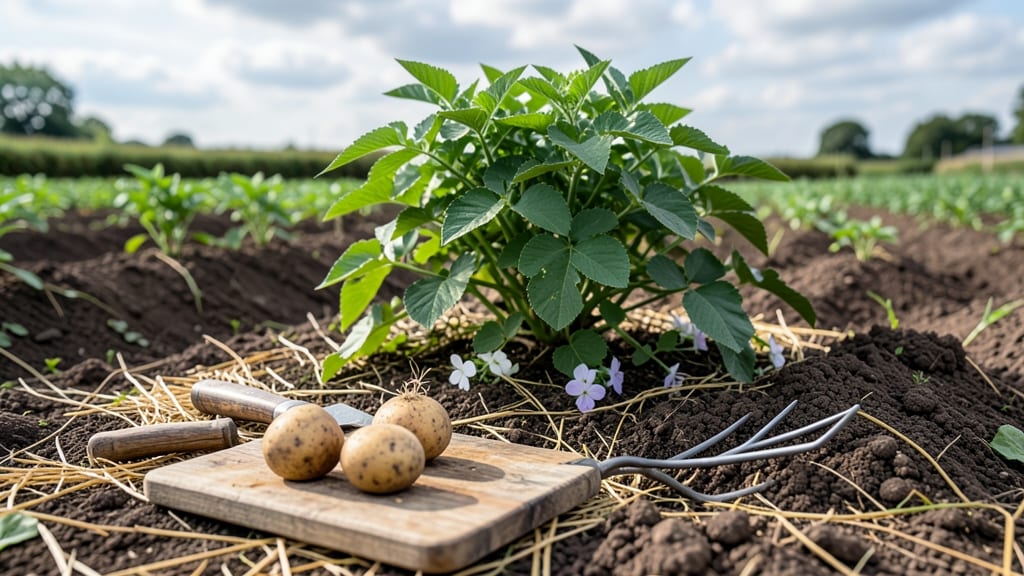
Planting potatoes in Michigan should happen as soon as the soil reaches 45°F—typically late April to early May—when the ground is workable but frost risk has dropped.
Michigan gardeners know timing is everything—plant too early, and frost will kill your 🥔 crop; too late, and blight ruins your harvest. But with the right soil temperature triggers, you can maximize yields and avoid common pitfalls.
In USDA zones 5b-6b, the average last frost arrives between mid-April and early May, but soil warming lags behind. Testing with a thermometer ensures your tubers sprout fast without waiting for a perfect calendar date.
Below, I’ll walk you through the exact soil temp thresholds, how to prep your potatoes for Michigan’s unpredictable springs, and the 3 critical factors that separate a bumper crop from a bust.
Michigan potato planting calendar: when soil temperature signals it’s time
Michigan’s short growing season demands precision when planting potatoes. The key? Waiting until the soil temperature hits 45°F—this triggers faster sprouting and avoids frost damage.
In most of Michigan, that window opens in late April to early May, but USDA zones 5b-6b vary widely, from Detroit’s urban heat islands to the Upper Peninsula’s cooler climates.
Your last frost date is just one piece of the puzzle. Cold, wet soil can stunt growth even after frost risk passes. Test your soil with a soil thermometer at 4-inch depth—this is where potatoes’ roots will first explore.
If the mercury stays below 45°F for more than 24 hours, delay planting by 1-2 weeks to avoid blackleg disease, a fungal issue common in chilly Michigan springs.
Soil temperature isn’t the only factor—daytime highs also matter. Aim for 50°F+ air temperatures consistently, as potatoes need warmth to break dormancy. In southern Michigan (zones 6a-6b), this often aligns with mid-April, while northern regions (zones 4b-5a) may wait until late May. Use Michigan State University’s frost date maps as a starting point, then adjust based on your local microclimate.
| Michigan Region | USDA Zone | Ideal Planting Window | Soil Temp Threshold | Early Varieties | Late Varieties |
|---|---|---|---|---|---|
| Southern Michigan (Detroit, Kalamazoo) | 6a-6b | Late April - Early May | 45°F+ (4-inch depth) | Yukon Gold, Red LaSoda | Russet, Kennebec |
| Central Michigan (Lansing, Grand Rapids) | 5b-6a | Early to Mid-May | 45°F+ (4-inch depth) | Katahdin, Fingerling | Adirondack Red, Purple Viking |
| Northern Michigan (Traverse City, UP) | 4b-5a | Mid-May to Early June | 50°F+ (4-inch depth) | Chieftain, Red Norland | Minnesota Midget, Pontiac |
| All Regions (Container Gardening) | N/A | Late May - June | 55°F+ (6-inch depth) | Sweet Potato, Purple Peruvian | Any cold-hardy variety |
For early-season varieties, like Yukon Gold or Red LaSoda, plant as soon as soil hits 45°F.
These 60-90 day potatoes thrive in Michigan’s brief summer and can even tolerate light frosts once established. Late-season varieties, such as Russet or Kennebec, need the full growing season—plant them 2-3 weeks later to avoid blight before harvest.
Michigan’s unpredictable springs can throw off even the best-laid plans. If a late frost hits after planting, cover seedlings with frost cloth or straw mulch to protect tender shoots. Alternatively, chit your seed potatoes indoors 4-6 weeks before planting—this gives them a 2-week head start on growth once soil warms.
Don’t rely solely on calendar dates. Instead, combine soil temperature, frost forecasts, and variety maturity to fine-tune your schedule. For example, if your soil warms early but blight risk is high, opt for early-maturing varieties to harvest before July’s humidity peaks.
Use MSU’s Garden Bulletin or local Cooperative Extension resources for real-time updates on disease pressure.
Pro tip: Plant a successive crop every 2 weeks to stagger harvests. This spreads out your labor and risk—if one planting fails due to unseasonable cold, others may still thrive.
For northern Michigan gardeners, consider black potatoes or fingerlings, which tolerate cooler soils better than Russets.
Finally, test your soil’s drainage before planting. Potatoes hate soggy roots—amend heavy clay with compost or sand to ensure tubers develop properly. Once planted, hill soil around stems as plants grow to prevent greening (toxic solanine buildup) and encourage more tuber formation.
With Michigan’s variable climate, flexibility is key. Monitor your soil, stay ahead of forecasts, and adjust your planting timeline accordingly. When done right, you’ll reap a bountiful harvest of
3 Critical factors that determine your Michigan potato planting success
Michigan’s diverse climate—from Detroit’s urban heat islands to the Upper Peninsula’s chilly highlands—means one-size-fits-all planting advice fails. While most gardeners focus on frost dates, soil temperature, elevation, and microclimates are the real game-changers for potato success.
Ignore these, and you risk stunted growth or disease. Let’s break down how to adapt your planting strategy based on where you garden in Michigan.
First, soil temperature is your best early warning system. Potatoes need soil that’s consistently 45°F or warmer to sprout reliably. In southern Michigan (like Ann Arbor or Kalamazoo), this typically happens by mid-April, but in the UP (Marquette or Sault Ste.
Marie), you might wait until late May. Use a soil thermometer—planting too soon in cold soil leads to rot, while waiting too long delays harvests.
-
1Soil Type Matters: Sandy soils warm faster (plant 2 weeks earlier) than clay soils. Test drainage—potatoes hate soggy roots!
-
2Elevation Shifts Timing: UP gardens (600–1,900 ft) need 3–4 weeks later than Detroit (600 ft). Adjust for 1 week delay per 500 ft elevation gain.
-
3Microclimates Override Zones: South-facing slopes warm 1–2 weeks earlier than north-facing beds. Urban areas (like Grand Rapids) can be 5°F warmer than rural spots.
Next, elevation plays a sneaky role. Every 500 feet you climb in Michigan (think Traverse City vs. Mackinac Island) adds 1–2 weeks to your planting window.
High-elevation gardens often see later last frosts and shorter growing seasons, so prioritize early-maturing varieties like ‘Red LaSoda’ (60 days) over ‘Russet Burbank’ (120 days). For UP gardeners, plant no later than June 1 to avoid blight risks.
Don’t overlook microclimates—your neighbor’s perfect timing might doom your crop. A south-facing bed can be 10°F warmer than a north-facing one, letting you plant 1–2 weeks earlier.
Urban heat islands (like Detroit) may let you start by late March, while shaded yards near lakes (like Houghton) might need to wait until early May. Use row covers to extend early planting in cooler microclimates.
Finally, risk assessment is key. Early planting in unpredictable springs? Chit your seed potatoes indoors (place in bright light for 2–3 weeks before planting). Late planting? Choose blight-resistant varieties like ‘Kennebec’ or ‘Pontiac’ and use mulch to keep soil warm.
In Michigan, late May is the safest bet for most regions, but your local USDA Plant Hardiness Zone and historical frost data should guide final decisions.
Master these three factors, and you’ll outpace frost, outsmart blight, and harvest bigger, healthier potatoes—no matter where in Michigan you garden. Start testing your soil temperature now, and adjust your calendar based on what you learn! 🌱