
Plants
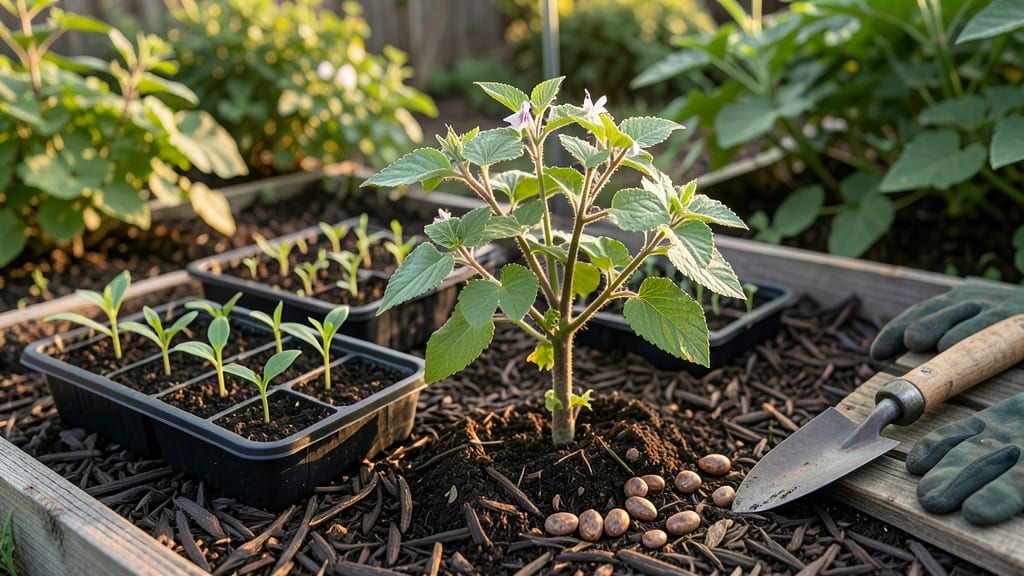
Plant beans in Colorado when soil temperatures hit 60°F and all frost risk has passed — usually mid-May for most regions, but earlier on the Western Slope.
Colorado’s unpredictable climate can turn your bean harvest from thriving to disappointing if you plant at the wrong time—but knowing soil warmth triggers unlocks the secret to fast, reliable germination.
Whether you’re growing bush beans or pole beans 🌱, timing matters more than you might think. Too early, and cold soil stalls germination; too late, and summer heat stresses young plants before they produce.
Below, I’ll walk you through the exact dates for your microclimate, how to test soil warmth, and the best varieties for Colorado’s short growing season.
Colorado bean planting dates by microclimate Zone (with soil temperature guide)
Colorado’s diverse microclimates mean your bean planting timeline should depend on whether you’re in the Front Range, Western Slope, or Eastern Plains. Each zone has unique frost patterns and soil warming speeds, so timing is everything for fast germination and high yields.
For example, Denver’s last frost date often lands in mid-May, while Grand Junction may see frost-free conditions by early April.
Soil temperature is your secret weapon—bush beans need 50-60°F soil to sprout, while pole beans prefer 60-70°F. Use a soil thermometer (or your finger—warm but not hot) to check before planting.
If your soil is too cold, wait a week or use black plastic mulch to warm it faster.
Why timing matters: Planting too early risks frost damage, while waiting too long cuts your harvest window short. Colorado’s short growing season (typically 120-150 frost-free days) demands precision. For instance, a late-May planting in USDA Zone 6 (like Fort Collins) might yield beans just in time for summer, while a July planting in Zone 5 (like Steamboat) could struggle before frost.
Key adjustment factors:
- Elevation: Higher elevations (e.g., 10,000+ ft) delay planting by 2-4 weeks.
- Aspect: South-facing slopes warm faster than north-facing gardens.
- Variety choice: Short-season varieties like ‘Blue Lake’ (50 days) outperform ‘Kentucky Wonder’ (60+ days) in cooler zones.
For high-altitude gardens (e.g., Telluride, 8,500+ ft), start seeds indoors 4–6 weeks before your target outdoor date. Use grow lights to simulate long daylight hours, and transplant seedlings when soil hits 55°F.
In low-desert areas like Colorado Springs, you can even plant pole beans in late July for a fall harvest if you provide drip irrigation to combat heat stress.
Watch for false springs—those warm spells in March or April that trick you into planting early. If nighttime temps dip below 40°F, cover seedlings with frost blankets or move pots indoors temporarily.
My 2022 lesson: I planted bush beans in late April in Fort Collins, only to lose them to a late-May frost. Now, I wait until May 20 and use black plastic mulch to speed up soil warming.
Adjust for organic matter in your soil—compost-amended beds warm 3–5°F faster than bare ground. If your soil is sandy, it may warm quickly but dry out just as fast; clay soils warm slowly but retain moisture.
Amend with aged compost or peat moss to balance both issues. For container gardening
How to time bean planting for maximum yield: frost dates vs. heat tolerance
Timing your bean planting in Colorado isn’t just about avoiding frost—it’s about balancing soil warmth and heat tolerance. Beans need consistent temperatures between 60-85°F to thrive, but Colorado’s summers can push 90°F+, stressing young plants during flowering.
Start by checking your average last frost date (usually mid-May for most regions). However, don’t rush—cold soil (below 50°F) delays germination for weeks. Use a soil thermometer to confirm warmth before planting.
For maximum yield, focus on fast-maturing varieties like 'Blue Lake' (50-60 days) or 'Kentucky Wonder' (55-60 days). These handle Colorado’s short season better than slower varieties like 'Romano' (70+ days).
Planting beans too early in high-elevation areas (e.g., Denver) risks cold-soaked seeds. Conversely, planting too late (after June 15) exposes them to 90°F+ summers, causing flower drop and poor pod set. Use shade cloth if temps exceed 85°F during flowering.
Calculate your frost-free window by subtracting your first frost date (typically October 1) from your last frost date. Colorado’s growing season averages 120-150 days, so choose varieties with harvest times under 60 days for safety.
If your season is shorter than 120 days (common in Zone 5 areas), opt for bush beans over pole beans—they mature 10-15 days faster and handle cooler temps better. For longer seasons (Zone 7), pole beans like 'Kentucky Blue' reward you with higher yields.
Pro tip: Use black plastic mulch to warm soil 5-10°F faster in spring, or plant near south-facing walls to extend the season. Monitor flowering stages—if pods stop forming in heatwaves, provide afternoon shade and increase watering to 1 inch per week.