
Companion Plants
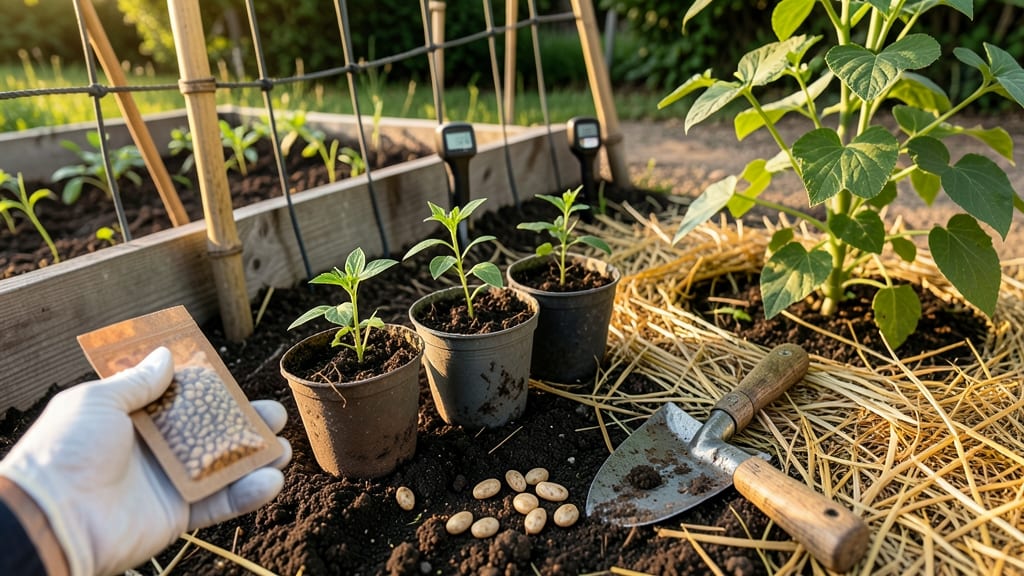
Planting beans in Indiana after the last frost and when soil warms to 60°F is the key to avoiding stunted growth and maximizing your harvest.
Indiana’s unpredictable spring weather can make planting beans a guessing game—but timing them right ensures a bountiful harvest instead of wilted disappointment.
Most gardeners in USDA Zone 6a wait until mid-April or later, when the ground thaws and temperatures stabilize. Too early, and a late frost will kill tender seedlings; too late, and you’ll miss the July–September harvest window.
Below, I’ll break down the best planting dates, soil prep tips, and how to stretch your growing season for pole, bush, and lima beans—so you can enjoy fresh 🌱 pods straight from your garden.
Indiana bean planting dates by soil temperature & frost risk
Indiana’s last frost dates and soil temperature are the two most critical factors when deciding when to plant beans. While northern Indiana typically sees its final frost around April 15, southern Indiana can be frost-free by April 1.
However, beans need soil temperatures of at least 55°F to germinate properly—waiting for both conditions ensures strong, healthy starts.
Pole beans, bush beans, and lima beans all have slightly different timing needs, but the general rule is to wait until the soil warms consistently above 60°F.
This usually aligns with late April to mid-May in most of Indiana, but microclimates near lakes or urban areas can shift these dates by 1-2 weeks. Using a soil thermometer is the best way to confirm readiness.
Cold soil is the #1 reason beans fail to sprout. If you plant too early, seeds may rot in the cold ground, leaving you with empty rows and wasted effort. Even if daytime temperatures feel warm, the soil may still be too cool at night.
For example, in Northern Indiana (USDA Zone 5b-6a), wait until mid-May for pole beans, while Southern Indiana (Zone 6a-6b) can start as early as early April for bush varieties.
Here’s how Indiana’s regional differences affect planting windows:
| Region | Avg. Last Frost | Soil Temp. Ready | Best Planting Window | Bean Type |
|---|---|---|---|---|
| Northern Indiana (Zone 5b-6a) | April 15-May 1 | 60°F+ (mid-May) | May 10-June 1 | Bush beans, pole beans |
| Central Indiana (Zone 6a) | April 1-April 15 | 60°F+ (late April) | April 20-May 15 | All types (pole, bush, lima) |
| Southern Indiana (Zone 6a-6b) | March 20-April 1 | 60°F+ (early April) | April 1-May 10 | Lima beans, early bush beans |
| Urban Microclimates (cities) | April 5-April 20 | 60°F+ (1-2 weeks earlier) | April 15-May 5 | All types (warmer microclimates) |
For pole beans, which take longer to mature, aim to plant by mid-May in Northern Indiana to ensure a harvest before the first frost in October.
These vining varieties benefit from a longer growing season, so don’t rush them. Bush beans, on the other hand, mature faster (50-60 days) and can handle slightly earlier plantings, especially in Southern Indiana.
Lima beans are the most sensitive to cold and require warmer soil (65°F+) for germination. In Indiana, this typically means waiting until late April to early May even in the south. If you’re eager to plant earlier, use black plastic mulch to warm the soil faster—this can shave off 1-2 weeks from your waiting time.
One common mistake is relying solely on air temperature rather than soil temperature. Even if daytime highs hit 70°F, the soil might still be in the 50s°F range at night.
To test, push a soil thermometer 2 inches deep in the morning—if it reads below 55°F, wait a few more days. This small step can mean the difference between a thriving bean patch and a failed crop.
If you’re in Northern Indiana and worried about a late frost, consider using row covers or cloches for the first 2-3 weeks after planting. These protect young seedlings from unexpected cold snaps while still allowing sunlight to reach the plants.
For Southern Indiana gardeners, you can even squeeze in a second planting of bush beans in early July for a fall harvest before the first frost.
Remember, beans are warm-season crops, so they’ll struggle if planted too early. The key is balancing frost risk with soil warmth. By following these regional guidelines and monitoring your soil, you’ll set your beans up for a successful, bountiful harvest—no guessing games required. 🌱
How to extend your bean harvest season in Indiana’s short growing window
Indiana’s short growing season and unpredictable late frosts can turn a promising bean crop into a disappointment—but with the right strategies, you can extend your harvest by weeks. The key lies in succession planting, cold-tolerant varieties, and simple soil-warming tricks that trick Mother Nature into cooperating.
Even if your first planting gets nipped by frost, these methods ensure you’ll still enjoy fresh beans from the garden.
Start by choosing fast-maturing varieties like Blue Lake Bush or Kentucky Wonder pole beans, which can go from seed to harvest in just 50-60 days. Pair these with succession planting—sow new seeds every 2 weeks until mid-July to keep pods coming.
This staggered approach works especially well for bush beans, which mature faster than their pole counterparts.
🌱 5 Proven Ways to Extend Your Bean Harvest
-
1. Use black plastic mulch
Spread black plastic over beds 2 weeks before planting to warm soil faster. This raises ground temps by 10-15°F, helping seeds germinate sooner and extending the growing window by 3-4 weeks. -
2. Try cloches or row covers
Protect young plants with floating row covers or mini cloches to shield them from late spring frosts. Remove covers when plants reach 6 inches tall to prevent overheating. -
3. Plant cold-hardy varieties
Choose Tolono or Provider beans, which tolerate 45-50°F soil temps. These varieties can handle light frosts and still produce, giving you an earlier start. -
4. Succession plant every 2 weeks
After your first planting, sow new seeds every 14 days until July 15. This ensures a continuous harvest from July through September, even if early plantings fail. -
5. Harvest aggressively
Pick beans every 2-3 days to encourage more production. Overripe pods reduce yields, so harvest when pods are 4-6 inches long and seeds are still small.
Don’t overlook microclimates in your garden. South-facing beds warm up faster, making them ideal for early plantings. If your yard has a sunny slope, prioritize planting beans there first. Even a 10°F temperature difference can mean the difference between a thriving crop and a failed one.
For pole beans, which take longer to mature, combine soil warming with row covers to give them a head start. Once they’re established, their vines will climb and produce for weeks longer than bush varieties. Pair them with corn or sunflowers for natural trellising and extended harvests.
Remember, beans are heat-loving plants, so avoid planting them too early—even with soil warming. Wait until soil temps reach 60°F (use a soil thermometer to check) and all frost risk has passed.
With these strategies, you’ll turn Indiana’s short season into a bean bonanza that keeps your table stocked all summer long. 🌱