
How To
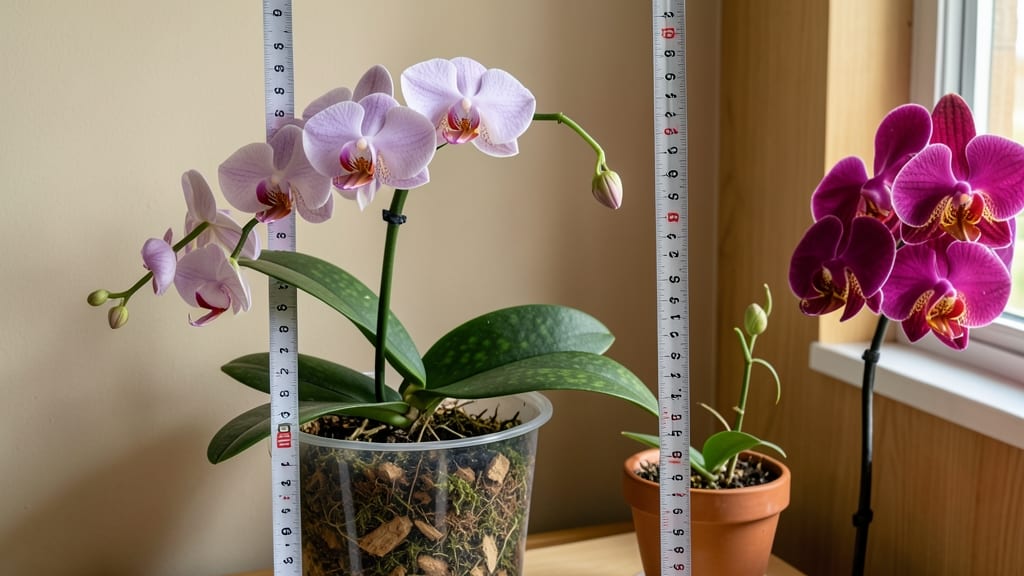
Orchids can grow anywhere from 6 inches to over 4 feet tall, depending on the species and care you provide.
Imagine a delicate 🌸 Phalaenopsis barely reaching your wrist, then picture a towering Cattleya soaring above your head like a jungle giant. The difference isn’t just in looks—it’s in how you’ll need to nurture them, from pot size to light exposure.
Most orchids you’ll find in stores stay compact, but some varieties stretch skyward if given the right conditions. Whether you’ve got a sunroom or a windowsill, knowing these growth patterns helps you pick the perfect orchid for your space—and avoid the heartbreak of leggy, stretched-out blooms.
Below, I’ll break down the height ranges by species, share the care secrets that encourage (or limit) growth, and debunk myths about orchid size—so you can grow the ideal orchid for your home.


Orchid height variations: from miniature dwarfs to giant species
Choosing an orchid often feels like picking between a delicate tabletop treasure or a towering jungle queen. The truth? Orchids span an incredible range—from miniature dwarfs barely taller than a soda can to giant species reaching over 10 feet.
Your space, climate, and care routine determine which orchid thrives best in your home or garden.
Most orchids fall into three height categories: dwarf (6-12 inches), semi-dwarf (1-2 feet), and standard (2-4 feet). However, some tropical varieties—like Grammatophyllum—can grow wildly beyond expectations, becoming architectural centerpieces. Let’s explore how orchid species stack up in height and what influences their growth.
Light exposure is the #1 factor controlling orchid height. Too little light leads to stretched, leggy growth, while too much causes sunburned leaves. Humidity levels also play a role—dry air slows growth, while high humidity encourages faster, fuller development. Even pot size matters: cramped roots stunt growth, while oversized containers can delay flowering.
If you’re working with limited indoor space, Phalaenopsis or Paphiopedilum are perfect choices. Their compact growth makes them ideal for shelves, desks, or hanging baskets.
For outdoor gardens, Cattleya or Dendrobium add vertical interest to trellises or fence lines. Just remember: outdoor orchids need winter protection in colder climates.
One common misconception is that all orchids grow slowly and stay small. In reality, many—like Dendrobium—can grow 6 inches per year under ideal conditions. The key is providing consistent moisture, balanced fertilization, and proper airflow.
Overcrowded pots or poor light will stunt growth, so always match your orchid’s needs to its mature height potential.
For taller orchids, consider Vanda or Ascocenda hybrids, which can reach 3–4 feet with dramatic, cascading blooms. These thrive in bright, humid environments and reward gardeners with prolonged flowering seasons. If you’re after miniature orchids, Bulbophyll
How to maximize orchid growth: light, pot size, and pruning tips
Orchids grow taller when given the right conditions—but many gardeners accidentally stunt their growth with poor light or overcrowded pots. I’ve learned that bright indirect light and proper pot size can make the difference between a leggy, weak plant and a sturdy, towering beauty.
The key is balancing these factors with strategic pruning to encourage vertical growth without sacrificing blooms.
Start by understanding your orchid’s light needs. Most varieties thrive in 6-8 hours of bright, filtered sunlight—think east-facing windows or a spot under sheer curtains. Too little light causes elongated stems (legginess), while too much direct sun burns delicate leaves.
I always test light exposure by observing leaf color: dark green means perfect light, while yellowing or reddening signals a need for adjustment.
Next, your pot size matters more than you think. Orchids need room to grow but not too much space—a pot that’s 1-2 inches larger in diameter than the root system encourages upward growth. Overly large pots hold too much moisture, leading to root rot and stunted growth.
I repot my orchids every 2-3 years using a well-draining mix of bark, sphagnum moss, and perlite to keep roots aerated and happy.
- Place orchids in east-facing windows for ideal morning light without afternoon intensity.
- Use clear plastic pots to monitor root health—white, fuzzy roots mean thriving growth!
- Prune spent flower spikes at the second node to encourage new blooms and upward growth.
- Fertilize with a balanced 20-20-20 solution every 2-4 weeks during spring and summer for steady growth.
- Rotate pots quarter-turns weekly to ensure even light exposure and prevent lopsided growth.
Pruning is where many gardeners go wrong. After blooms fade, never cut the stem completely—instead, trim it above the second or third node from the base. This encourages a new side shoot that grows taller and produces more flowers.
I’ve seen Phalaenopsis orchids double in height over a year with this simple trick! Just sterilize your pruners with rubbing alcohol first to prevent infections.
For taller varieties like Cattleya or Dendrobium, I stake the stems with soft plant ties to support their weight. Avoid tight ties that can damage stems—loosen them every few weeks as the plant grows.
In my greenhouse, I’ve watched Dendrobium orchids reach 4 feet tall with proper staking and support, creating a stunning vertical display.
Finally, humidity and airflow play hidden roles in orchid height. Most orchids love 50-70% humidity—I use a pebble tray under pots or a small humidifier near my collection.
Good airflow prevents fungal issues, so I avoid overcrowding plants. With these tweaks, even compact orchids like Miniature Phalaenopsis can grow 20% taller in a single season!