
Succulent
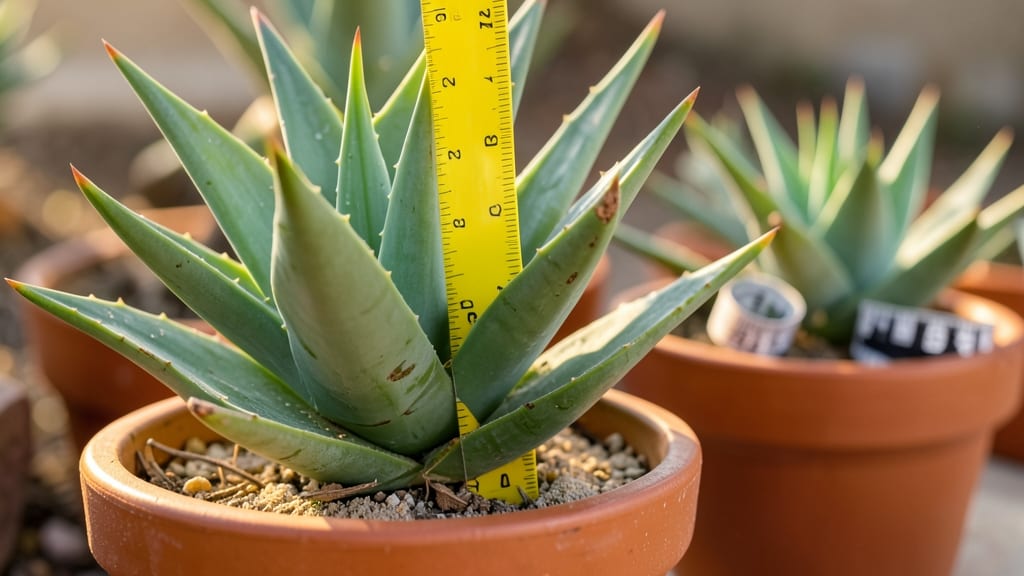
Succulents can grow from just a few inches tall to towering giants like Agave that stretch toward the sky 🌵 — the difference between them is all in the species, and your space might be the perfect home for one or the other.
If you’ve ever wondered whether your tiny desk succulent could one day stretch toward the ceiling, you’re not alone — some stay compact enough for windowsills while others reach small tree proportions. The right choice could transform your space (or your patience).
Miniature types like Haworthia or Echeveria max out at a few inches, making them ideal for shelves or terrariums, while columnar varieties like Yucca or Agave can soar to 15 feet or more. Light, soil, and pot size all play a role in how tall yours will grow.
Below, I break down the height ranges by species, the factors that control growth, and how to keep your succulents at the perfect size for your home — whether you want a tiny desktop garden or a dramatic statement plant.


Succulent height by type: from tiny to towering varieties
Succulents are famous for their diversity, and their mature heights can range from palm-sized to tree-like giants. Whether you’re dreaming of a miniature windowsill garden or a bold statement plant, choosing the right variety is key.
Some species stay under 3 inches while others stretch toward the sky, reaching 20 feet or more. Let’s explore how these fascinating plants grow and where they thrive best.
Your choice of succulent can completely change your gardening plans. Tiny varieties like Haworthia or Echeveria are perfect for desks or shelves, while tall columnar types like Agave or Yucca demand outdoor space. Understanding these differences helps you pick the perfect plant for your home or garden layout.
Below, I’ve organized succulents by their mature height ranges—from miniature to towering—so you can see the full spectrum of possibilities. Each category includes iconic examples, growth habits, and ideal cultivation environments to help you make the best choice.
| Height Category | Mature Height | Examples | Growth Habit | Ideal Environment |
|---|---|---|---|---|
| Miniature | Under 3 inches | Haworthia, Echeveria 'Lola', Lithops | Rosette-forming, slow-growing | Indoor windowsills, terrariums |
| Small | 3–12 inches | Sedum morganianum, Jade Plant, Aloe vera | Compact rosettes or shrubs | Indoor pots, sunny patios |
| Medium | 1–3 feet | Agave parryi, Sempervivum, Kalanchoe daigremontiana | Clumping or branching | Outdoor beds, large containers |
| Large | 3–20+ feet | Agave americana, Yucca elephantipes, Dracaena marginata | Tree-like or columnar | Outdoor landscapes, arid climates |
If you love compact succulents, varieties like Haworthia or Lithops will thrive on your desk or shelf. These plants stay under 3 inches tall, making them ideal for small spaces. They grow slowly and rarely need repotting, which is great for beginners.
For a bigger statement, consider medium-height succulents like Agave parryi or Sempervivum. These can reach 1–3 feet tall and add texture to garden borders or large containers. They’re perfect for sunny patios or outdoor beds where they can spread their roots.
If you’re dreaming of a true giant, Agave americana or Yucca elephantipes are stunning choices. These succulents can grow 10–20 feet tall, making them perfect for desert landscapes or as focal points in large gardens. They require plenty of space and full sun to reach their full potential.
When choosing a succulent, think about your space and sunlight. Miniature varieties do well in low-light indoor settings, while larger types need bright, direct sunlight and room to grow. Always check the mature height of your chosen species before planting to avoid surprises.
Pro tip: If you’re growing succulents in containers, choose pots that match their mature size. A tiny Haworthia in a large pot will look out of place, while a tall Agave in a small container will become root-bound quickly. Always leave room for growth!
Now that you know the height ranges, you can pick the perfect succulent for your space—whether it’s a tiny desk garden or a dramatic outdoor centerpiece. Happy planting! 🌵
Factors that determine how tall your succulent will grow
Succulent height isn’t just luck—it’s a mix of genetics, environmental conditions, and your care routine. Some species like Haworthia stay under 3 inches, while Agave can soar to 20 feet.
Understanding these factors helps you predict—and even shape—your succulent’s growth trajectory. Let’s break down what really controls how tall your plants will grow.
Your succulent’s genetic potential sets the baseline, but sunlight exposure can push it beyond expectations.
For example, an Echeveria in full sun may reach 12 inches, while the same plant in shade might stay under 6 inches. Pot size also plays a role—root-bound succulents grow taller as they stretch for space. Even climate conditions like humidity or temperature affect growth rates.
| Factor | Impact on Height | Example |
|---|---|---|
| Genetics | Determines max height range | Haworthia (2-4 in) vs. Agave (10-20 ft) |
| Sunlight | More sun = faster vertical growth | Echeveria (6+ hrs sun = 12 in tall) |
| Pot Size | Smaller pots stunt growth | Sedum in 4" pot stays <6 in |
| Pruning | Removes height, encourages bushiness | Topping Aloe keeps it under 18 in |
| Climate | Dry heat = faster growth; humidity slows it | Yucca grows 2x faster in desert vs. rainforest |
If you’re growing succulents in containers, pot size directly influences height. A root-bound Sedum will stretch upward to escape its cramped space, while a well-potted Echeveria stays compact.
For outdoor succulents, pruning techniques like topping can control height—simply cut the top third of a leggy Aloe to encourage bushier growth instead of vertical spikes.
Don’t overlook climate conditions—succulents in arid climates grow faster than those in humid areas. For example, Agave in Arizona may reach maturity in 5 years, while the same plant in Florida could take twice as long. Temperature swings also trigger dormancy, slowing growth during winter months.
Adjust your expectations based on your local climate zone.
To calculate your succulent’s growth potential, start with its species height range, then adjust for your conditions. For instance, if your Echeveria gets 6+ hours of sun and is in a 6-inch pot, expect it to reach 8-12 inches in 3 years.
Use this formula: genetics × sunlight × pot size = predicted height. Track your plant’s progress to refine your estimates over time.
With the right balance of light, space, and pruning, you can guide your succulents toward your ideal height—whether that’s a tiny windowsill display or a dramatic vertical statement piece. 🌵