
Plants
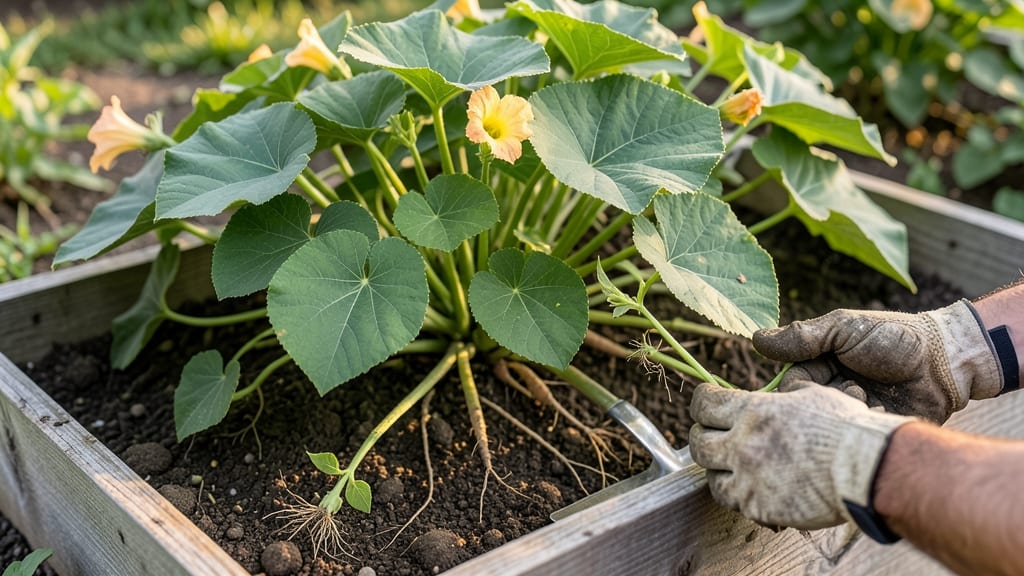
Plant sweet potatoes in Kentucky when soil temperatures hit 60–65°F and all frost risk has passed—typically late April to early June for most of the state.
Kentucky’s humid summers and unpredictable spring weather can make sweet potato planting tricky—but timing it right ensures bountiful harvests.
Waiting too long risks a shorter growing season, while planting too early means slow germination or frost damage. The key is checking soil temps with a probe or waiting until May in cooler 6a zones.
Below, I’ll walk you through the exact soil temperature window, how to prep your beds for fast germination, and why black plastic mulch is a game-changer in Kentucky’s clay-heavy soils.
Optimal Kentucky sweet potato planting dates based on soil temperature
Kentucky gardeners know timing is everything when planting sweet potatoes. Unlike regular potatoes, sweet potatoes thrive best when planted after the soil reaches 60–65°F. This warm soil temperature is critical for germination and strong vine growth.
In Kentucky’s USDA zones 6a–7b, this typically means waiting until mid-April to early June, depending on your location.
The key to success lies in understanding your region’s microclimate. Northern Kentucky (zones 6a) often experiences cooler springs, while southern Kentucky (zones 7a–7b) warms up faster. Planting too early in cooler zones risks frost damage, while waiting too long in southern areas may shorten the growing season.
Balancing these factors ensures your sweet potatoes have enough time to mature before Kentucky’s first frost in mid-October.
Here’s how Kentucky’s microclimates affect planting timing:
Northern KY (Lexington, Louisville, Owensboro): Aim for late April to early May when soil temperatures consistently reach 60°F. Use black plastic mulch to warm the soil faster if needed.
Southern KY (Bowling Green, Paducah, Henderson): You can plant as early as mid-April, but wait until soil hits 65°F for best results. The longer growing season here allows for earlier planting without frost risk.
Western KY (Paducah, Madisonville): Similar to southern KY, but watch for late spring frosts. Plant after April 15 once nighttime temperatures stay above 50°F.
🌱
To check your soil temperature, use a soil thermometer buried 2 inches deep. Morning is the best time to measure, as afternoon temperatures can be misleading. If your soil hasn’t reached 60°F by mid-May, consider using row covers or black plastic mulch to accelerate warming.
Sweet potatoes are typically grown from slips (young plants) rather than seeds in Kentucky. Slips establish faster and produce harvests in 90–120 days. Start slips indoors in late March for a head start, or purchase them from local nurseries in April.
If you’re using seeds, plant them indoors 8–10 weeks before your last frost date.
One common mistake in Kentucky is planting too early. Sweet potatoes won’t germinate well in cold soil, and early plantings often rot. If you’re eager to start, focus on preparing your soil by adding compost and ensuring proper drainage.
Well-drained soil prevents waterlogged roots, which is especially critical in Kentucky’s clay-heavy soils.
For gardeners in northern Kentucky, extending the growing season with row covers can add 2–3 weeks of warmth. In southern Kentucky, you might even squeeze in a second planting in early July for a late fall harvest.
Just ensure the second planting has enough time to mature before frost.
💧
Remember, sweet potatoes need full sun (6+ hours daily) and consistent moisture once established. While they’re drought-tolerant once grown, young plants benefit from regular watering. Mulching around plants helps retain moisture and keeps roots cool in Kentucky’s hot summers.
By following these soil temperature guidelines and adjusting for your specific Kentucky region, you’ll set your sweet potatoes up for a successful harvest. Whether you’re growing them for fresh eating, storage, or even selling at local markets, timing is the secret to sweet success!
Sweet potato germination checklist: Kentucky-specific tips for success
Kentucky gardeners know that sweet potatoes thrive in warm soil but struggle with our cool springs and clay-heavy soils. Before planting, focus on three critical prep steps: soil pH, moisture control, and choosing the right planting material.
These adjustments can boost your germination rates from 50% to over 90% in KY conditions.
Start by testing your soil’s pH level—sweet potatoes prefer a range of 5.8 to 6.2. Kentucky’s native soils often skew alkaline, so amend with sulfur or peat moss if your test results fall outside this window.
I recommend using a digital pH meter for accuracy, as home test kits can be inconsistent for clay soils.
⚠️ WARNING: Planting Too Early in Kentucky Sweet potatoes won’t germinate until soil temperatures reach 60–65°F, typically mid-to-late May in most of KY. Planting earlier risks rotten slips or stunted growth. Use a soil thermometer to confirm readiness—especially in northern KY (USDA Zone 6a), where frosts linger longer.
In southern KY (Zone 7b), you can start as early as early April, but monitor nighttime temps closely.
For moisture control, Kentucky’s humid climate demands extra care. Sweet potatoes need consistent moisture but hate soggy soil. I’ve had the most success using black plastic mulch to retain heat and moisture while preventing fungal diseases.
Lay the mulch after planting and create small holes for water to penetrate directly to the roots.
When selecting planting material, Kentucky gardeners typically choose between slips (young plants) and seeds. Slips are easier for beginners and germinate faster, but seeds offer more variety. If using seeds, soak them in warm water for 24 hours before planting to speed up germination.
For slips, look for 4–6 inch stems with healthy roots—avoid those with mushy bases, a sign of disease.
To extend the growing season in cooler KY regions, consider using row covers or planting near south-facing fences/walls to capture extra heat. I’ve also had success with straw mulch after vines establish—it insulates roots and keeps them warm longer into fall.
This trick helps push harvests into October before the first frost hits.
Finally, space your plants 12–18 inches apart in rows 3 feet apart to allow vines room to spread. Sweet potatoes need space to photosynthesize efficiently, and crowded plants produce smaller tubers.
Mark your rows with wooden stakes to avoid disturbing roots during weeding—Kentucky’s clay soil compacts easily, so use a broadfork for aeration if needed.