
Plants
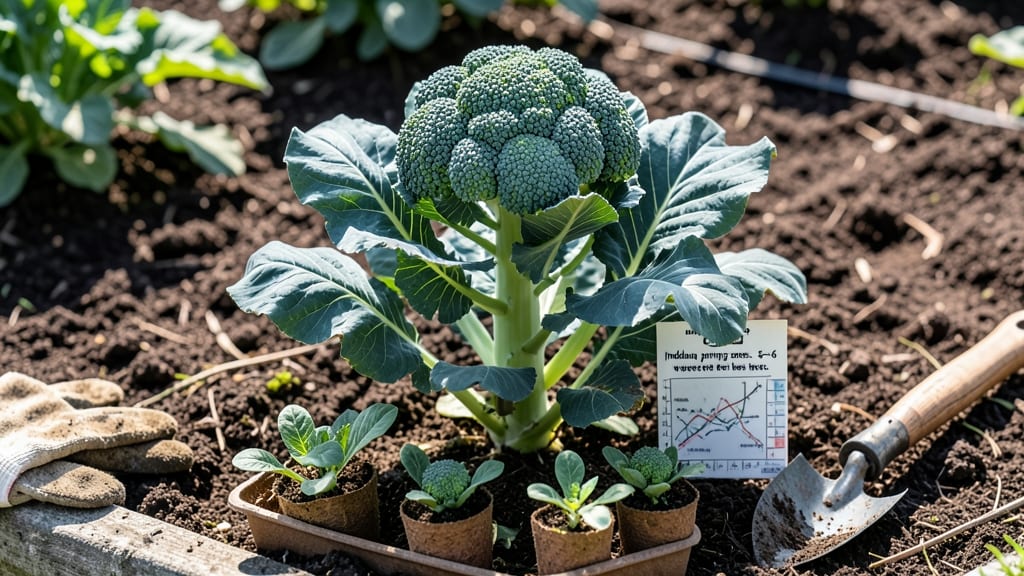
Plant broccoli in Indiana 4–6 weeks before your last frost date—typically late March to early April—to give the 🥦 time to mature before summer heat sets in.
Indiana’s unpredictable spring weather can make or break your broccoli harvest—but timing it right ensures thick, flavorful heads before summer heat sets in.
If you’ve ever watched your seedlings bolt in the heat or struggle in cold, wet soil, you know the stakes. The key is balancing frost dates, soil warmth, and heat-escape tricks to keep your broccoli thriving.
Here’s how to nail the planting window, whether you’re starting seeds indoors or sowing directly, plus how to stretch your harvest into fall for a second crop.
Best broccoli planting dates in Indiana: cold-hardy start times & fall options
Indiana gardeners know timing is everything when it comes to growing broccoli. With USDA zones 5b-6b and unpredictable frost patterns, choosing the right planting window means the difference between a bountiful harvest and bolted disappointment.
The key is planting early enough to avoid summer heat while ensuring plants mature before the first frost. For most of Indiana, this means two main planting windows: early spring and late summer.
Northern Indiana (zones 5b) typically has a shorter growing season (about 165 frost-free days), while southern Indiana (zones 6b) enjoys slightly more warmth. This means northern gardeners should prioritize early starts indoors or choose faster-maturing varieties, while southern gardeners have more flexibility for direct sowing.
Always check local frost dates—Indiana’s last frost usually falls between mid-April (north) to early April (south), and the first frost arrives around mid-October.
Here’s the summary table breaking down Indiana’s broccoli planting schedule by region and season, including soil temperature requirements and frost tolerance limits:
| Planting Window | Indiana Region | USDA Zone | Soil Temp (°F) | Frost Tolerance | Best Varieties |
|---|---|---|---|---|---|
| Early Spring (Indoors) | North (Zone 5b) | 5b | 45–50°F | Tolerates light frost | 'Waltham 29', 'Green Magic' |
| Early Spring (Outdoors) | South (Zone 6b) | 6b | 50–55°F | Tolerates light frost | 'De Cicco', 'Calabrese' |
| Late Summer (Direct Sow) | All Regions | 5b–6b | 60–65°F | Heat-sensitive | 'Belstar', 'Packman' |
| Fall (Indoors/Outdoors) | North (Zone 5b) | 5b | 55–60°F | Cold-hardy | 'Green Goliath', 'Romanesco' |
For spring planting, start seeds indoors 4–6 weeks before your last frost date. In northern Indiana, this means sowing seeds in late February to early March for transplants ready by mid-April.
Southern Indiana gardeners can direct sow seeds outdoors in early to mid-March if soil temperatures are above 45°F. Use a seedling heat mat if your basement is chilly—broccoli seeds germinate best at 60–70°F.
If you miss the spring window, don’t worry—Indiana’s fall planting offers a second chance. For a fall harvest, plant seeds indoors 90–100 days before your first frost (typically late July to early August).
Transplant seedlings outdoors in August, giving them time to mature before winter sets in. Choose cold-hardy varieties like 'Green Goliath' to withstand Indiana’s early frosts.
Microclimates play a huge role in Indiana. Urban areas like Indianapolis often experience urban heat islands, which can push frost dates slightly later. Meanwhile, northern counties near Lake Michigan may see earlier frosts due to lake breezes.
To account for this, adjust your planting dates by 1–2 weeks earlier in colder microclimates and 1–2 weeks later in warmer urban pockets.
Pro tip: Use row covers or cold frames to extend your growing season by 2–3 weeks in spring or fall. These protect young seedlings from late frosts (which can damage tender leaves) and early fall frosts (which can stunt growth).
Just remove covers when temperatures rise above 70°F to avoid overheating.
Finally, always monitor your garden’s soil temperature with a soil
How to extend broccoli’s growing season in Indiana’s heat: shade, succession planting & variety hacks
Indiana’s summer heat can turn your broccoli plants into bolting disasters—but with the right strategies, you can keep them producing tender heads all season long. The key is combining heat-tolerant varieties, shade protection, and smart planting schedules to outsmart the Hoosier State’s 90°F+ days.
Let’s break down the best tactics to beat the heat and keep your broccoli thriving.
First, focus on succession planting—this means staggering your plantings every 2-3 weeks from early spring through mid-summer. By doing this, you’ll always have young, heat-sensitive plants maturing when temperatures dip slightly in late summer.
For example, plant your first batch in March-April and follow with 3-4 more plantings through June. This ensures a continuous harvest before winter sets in.
For shade protection, invest in 30-50% shade cloth to filter out harsh afternoon sun. Install it over your broccoli beds when temperatures consistently hit 85°F+. The cloth should be 3-4 feet above plants to allow airflow and prevent humidity buildup.
I’ve found that white or silver shade cloth reflects the most heat while still allowing 60-70% of light through—perfect for broccoli’s needs.
Not all broccoli varieties handle heat equally. Opt for heat-tolerant types like ‘Waltham 29’ or ‘De Cicco’, which can withstand warmer temperatures better than standard varieties. These types also produce smaller, tighter heads that mature faster, giving you a harvest before the heat becomes unbearable.
Another great option is ‘Calabrese’, which tolerates mild heat stress better than most.
Don’t forget about watering strategies—broccoli needs consistent moisture to avoid bolting. Use drip irrigation or soaker hoses to deliver water directly to the roots in the early morning. This keeps foliage dry and prevents fungal diseases like downy mildew.
Aim for 1-1.5 inches of water per week, and increase slightly during heatwaves. Mulching with straw or shredded leaves helps retain soil moisture and keeps roots cool.
Finally, time your last planting for late July or early August to ensure heads mature before the first frost in mid-October. This gives your broccoli plants 90-100 days to grow—just enough time to produce full-size heads before winter arrives.
By combining these tactics, you’ll enjoy fresh broccoli from spring through fall, even in Indiana’s sweltering summers.