
Plants
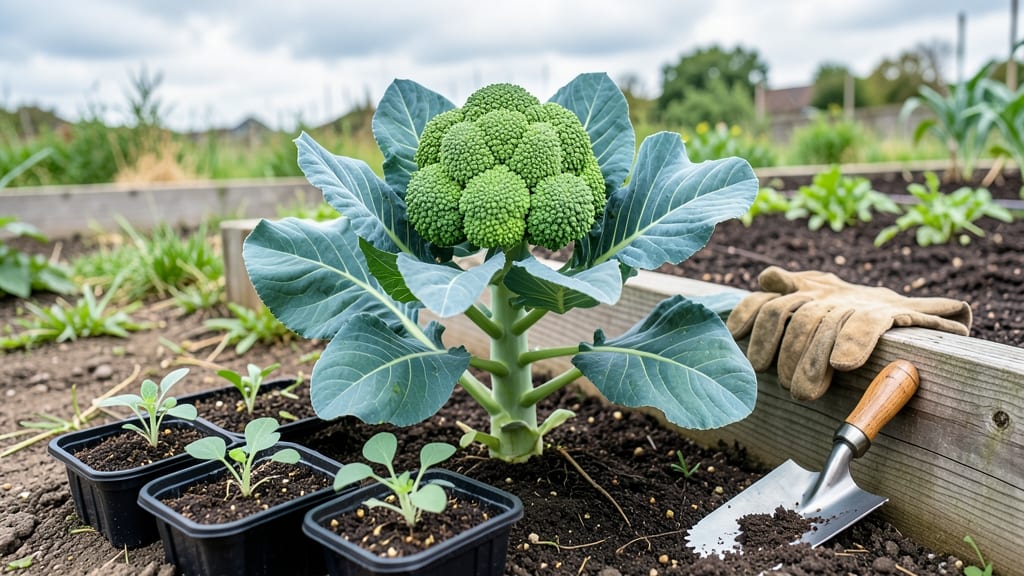
To plant broccoli in Iowa, aim for early spring (March-April) or late summer (August-September) when soil temps hit 40°F+ and frost risks drop.
Iowa gardeners know timing is everything—plant broccoli too early, and frost will ruin your crop; too late, and summer heat will turn your plants bitter. Mastering the perfect planting window means bigger yields and fewer headaches.
In USDA Zone 5a-5b, your best bet is 4-6 weeks before the last frost (around April 15) for a spring harvest or 8-10 weeks before the first frost (October 15) for fall. Iowa State University Extension even recommends soil temps of 60°F+ for optimal growth.
Below, I’ll break down the exact frost dates by city, soil prep tricks to avoid stunted growth, and how to stretch your harvest with succession planting—so you’re eating homegrown 🥦 from May through November.
Iowa’s broccoli planting calendar: frost dates & soil temperature rules
Iowa’s USDA Zones 4-5 mean broccoli planting requires precision—soil temperature and frost dates dictate success. Plant too early, and frost damage stunts growth; too late, and summer heat causes bolting. The key? Understanding your local frost window and soil warmth thresholds.
Most of Iowa falls in Zone 5a-5b, with average last frost dates between April 15 (south) and May 1 (north). Soil must reach 40°F+ for germination and 60°F+ for optimal growth.
In Des Moines (Zone 5b), spring planting starts in mid-March under row covers, while Sioux City (Zone 4b) waits until late April.
Fall planting is equally critical—broccoli needs 80-100 days to mature before first frost (Oct 15). Start seeds indoors 8-10 weeks before your expected frost date, or direct-sow by August 1 for a late-October harvest. Adjust for microclimates: urban areas warm faster than rural fields.
Here’s your Iowa broccoli planting cheat sheet, broken down by region, soil temp, and frost risks:
For spring planting, aim for 4-6 weeks before your last frost date. Use a soil thermometer to confirm 40°F+ at 2-inch depth—cold soil delays germination. In Zone 4b (north Iowa), wait until late April to avoid frost heaves or seed rot.
Fall planting is trickier: broccoli needs 60-70 days to mature after transplanting. Start seeds indoors 8 weeks before your first frost, or direct-sow by August 1 in Des Moines. Use heat-tolerant varieties like ‘Waltham 29’ to prevent bolting in summer’s lingering heat.
Pro tip: Adjust for microclimates. Urban areas like Cedar Rapids warm 2-3°F faster than rural fields, so plant 1-2 weeks earlier. Conversely, hilly regions (e.g., Iowa City) may frost 5-7 days later—monitor local weather stations for real-time updates.
Always harden off transplants for 7-10 days before setting them out. Cold snaps in May can still damage young plants, so keep row covers handy. For extended harvests, succession plant every 2 weeks in spring or 3 weeks in fall.
Remember: Soil temperature > air temperature. A 50°F air temp with 60°F soil is ideal for germination. Use black plastic mulch to warm soil faster in spring or straw mulch to insulate roots in fall.
How to extend Iowa’s broccoli season: succession planting & cold protection hacks
Iowa’s short growing season doesn’t mean you have to settle for one broccoli harvest. With the right strategies, you can stretch your harvest from early spring to late fall.
The key is succession planting—spreading out plantings every 2-3 weeks—and using cold protection to shield tender plants from unexpected frosts. This approach lets you enjoy fresh broccoli for months instead of just a few weeks.
One of my favorite tricks is planting heat-tolerant varieties like ‘Waltham 29’, which handles Iowa’s summer heat better than traditional types. Pair that with row covers or cold frames, and you’ll avoid the bitter taste and bolting that comes when broccoli overheats.
Even in Zone 5, these methods can add 4-6 extra weeks to your harvest season.
🌱 5 Cold Protection & Succession Planting Hacks for Iowa Broccoli
- 1. Stagger Plantings: Start your first batch 4-6 weeks before last frost (early March-April), then add new rows every 2-3 weeks until mid-June. This ensures a steady supply.
- 2. Use Row Covers: Lightweight frost blankets add 4-8°F protection and extend spring harvests by 2-3 weeks. Remove during the day once plants are established.
- 3. Try Cold Frames: For fall harvests, cold frames can push your season 2-4 weeks later by trapping heat. Ideal for late August-September plantings.
- 4. Choose Heat-Tolerant Varieties: ‘Waltham 29’ (slow-bolting) and ‘De Cicco’ (compact, great for containers) outperform standard types in Iowa’s summer heat.
- 5. Mulch Heavily: Apply 4-6 inches of straw to retain soil moisture and keep roots cool during summer. This prevents bolting and keeps plants productive.
For spring plantings, focus on early maturing varieties like ‘Calabrese’, which can be harvested in as little as 50-60 days. In fall, opt for ‘Green Magic’, a hybrid that thrives in cooler weather and resists disease.
Both varieties are well-suited to Iowa’s climate and can be planted as late as mid-August for a fall harvest.
Don’t forget to harden off transplants before setting them out. Acclimate seedlings to outdoor conditions over 5-7 days by gradually increasing their exposure to sun and wind.
This reduces transplant shock and helps plants recover faster from Iowa’s unpredictable spring weather. A little extra care here means stronger plants and bigger heads.
If you’re short on space, consider container gardening with dwarf varieties like ‘Little Sprint’. These can be planted in 5-gallon pots and moved to a sunny spot on your patio or balcony.
Just ensure containers have drainage holes and use a lightweight potting mix to prevent root rot—a common issue in Iowa’s humid summers.
With these strategies, you’ll turn Iowa’s short season into a year-round broccoli bonanza. Start small with one or two succession plantings, and soon you’ll be enjoying homegrown broccoli from May through November—no greenhouses required! 🥦