
Plants
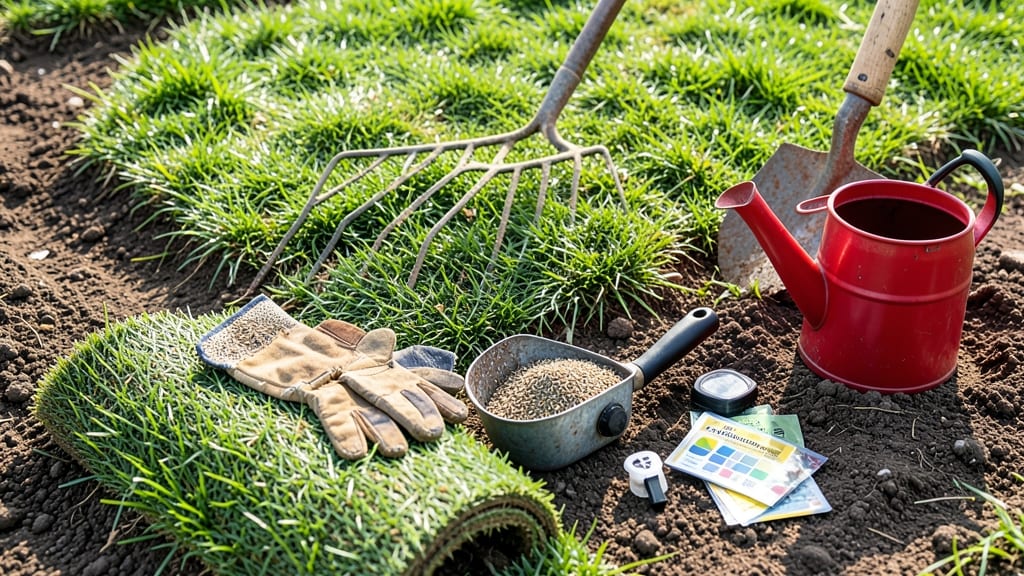
The best time to plant grass in Wisconsin is during the cool-season window—late August through early October or early April to mid-May—when soil temperatures and moisture align for strong root growth.
Wisconsin’s unpredictable weather can make or break your lawn—planting grass at the wrong time means thin patches, weeds, and wasted effort. But timing it right guarantees a lush, resilient lawn that outlasts even the harshest Midwest winters.
For most of Wisconsin (USDA zones 4a-5b), fall planting is ideal because cooler temperatures reduce stress on new grass while allowing roots to establish before winter. Spring planting is also viable, but you’ll need to act fast before summer heat arrives.
Below, I’ll break down the exact window for your region, soil prep tips to avoid common mistakes, and a step-by-step care plan to keep your grass thriving year-round.
Wisconsin’s ideal grass planting window: when to start for maximum success
Wisconsin’s cool-season climate demands precision when planting grass—miss the window, and you risk stunted growth, weed invasion, or seed washout. The 6-week period from early September to late October offers the perfect balance: warm soil, cooler air, and enough time for roots to establish before winter.
This timing avoids the summer heat stress that dries out seeds and the early frost risks of November planting.
For cool-season grasses like Kentucky bluegrass, tall fescue, and perennial ryegrass—Wisconsin’s top choices—soil temperatures between 50°F and 65°F are ideal. These conditions allow seeds to germinate quickly while preventing fungal diseases that thrive in soggy, cold soil.
Think of it as a golden handshake between your lawn and Wisconsin’s fickle autumn weather.
Here’s why fall planting wins: seeds germinate in warm soil, grow strong roots before winter, and emerge 3-4 weeks earlier in spring than spring-planted grass. Plus, you’ll beat weeds to the punch by establishing a dense turf before they germinate.
It’s like giving your lawn a head start in the race against crabgrass and clover.
| Planting Window | Soil Temp (°F) | Key Benefits | Avoid Risks |
|---|---|---|---|
| Early September | 60-65°F | Rapid germination | Late summer drought |
| Mid-September | 55-60°F | Strong root growth | Early frost |
| Late September | 50-55°F | Weed suppression | Fungal diseases |
| Early October | 45-50°F | Winter hardiness | Seed dormancy |
To nail this window, start by checking your soil temperature with a simple soil thermometer (available at garden centers for under $10). If it’s hovering around 60°F, you’re in the sweet spot.
Pro tip: Morning soil temps are usually 5-10°F cooler than afternoon readings—plant in the early morning to avoid stressing seeds in afternoon heat.
Wisconsin’s northern regions (USDA Zones 3-4) should aim for the earlier part of this window (early to mid-September), while southern areas (Zones 5-6) can extend planting until late October. The rule of thumb?
Plant 4-6 weeks before your average first frost date. For most of Wisconsin, that’s mid-October, but check your local USDA Plant Hardiness Zone for precision.
One common mistake? Waiting until the leaves start changing color in October. By then, soil temps drop too fast, and seeds struggle to germinate. Instead, time your planting with cool, crisp mornings and warm afternoons—the perfect Wisconsin autumn setup.
This balance gives seeds just enough warmth to sprout while avoiding the heat stress of summer planting.
After planting, focus on consistent moisture—keep the soil evenly damp (not soggy) for the first 2-3 weeks. Use a light sprinkler or hose attachment to avoid disturbing seeds.
In Wisconsin’s variable autumn rainfall, you might need to water 2-3 times per week until germination (usually 7-14 days for cool-season grasses).
Don’t overlook soil prep either. Wisconsin’s clay-heavy soils need amendments like compost or peat moss to improve drainage and aeration. A light raking after planting ensures good seed-to-soil contact, while a thin layer of straw mulch (¼ inch) protects seeds from wind and erosion.
It’s like giving your grass seeds a cozy blanket to settle into.
For those considering spring planting (April-May), know this: while it’s possible, spring-planted grass often struggles to outcompete weeds and germinates later than fall-planted lawns. If you must plant in spring, wait until the soil warms to 50°F+ and the last frost date has passed (typically mid-May in Wisconsin).
But fall remains the gold standard for a thick, healthy lawn.
Remember, a well-timed lawn in Wisconsin isn’t just about aesthetics—it’s about resilience. Grass planted in this 6-week fall window will survive harsh winters, outcompete weeds, and recover faster from summer stress. So mark your calendar, grab your
How Wisconsin’s climate zones affect grass planting timing (northern vs. southern regions)
Wisconsin’s diverse climate zones create big differences in grass planting timing. Northern Wisconsin (USDA Zones 3-4) faces harsher winters and shorter growing seasons, while southern Wisconsin (Zones 5-6) enjoys milder conditions.
These differences mean your planting window could shift by 4-6 weeks depending on where you live.
For northern Wisconsin, late August to early September is your best bet for fall planting, while southern regions can extend this window until mid-October. Spring planting also varies—northern areas should wait until mid-May when frost risk drops, while southern Wisconsin can start as early as early April.
Microclimates add another layer. Urban areas like Madison often have warmer springs than rural spots, while lake-effect zones near Green Bay may experience delayed frost. Always check your last frost date (typically mid-May in Zone 4, early May in Zone 5) and adjust accordingly.
| Region | USDA Zone | Fall Planting Window | Spring Planting Window | Soil Temp Threshold | Key Adjustment |
|---|---|---|---|---|---|
| Northern WI | 3-4 | Late August - Early September | Mid-May - Early June | 50-55°F | Plant 6 weeks before first frost |
| Southern WI | 5-6 | Early September - Mid-October | Early April - Mid-May | 55-65°F | Extend window by 2 weeks |
| Lake Effect Areas | 4a-5a | Early September - Early October | Late May - Early June | 52-60°F | Monitor lake breezes for delayed frost |
If you experience an early spring, don’t rush planting—cool soil temperatures can stunt grass growth. Use a soil thermometer to confirm 50°F+ before seeding. In northern zones, consider tall fescue or fine fescue for better cold tolerance, while southern areas can handle Kentucky bluegrass more reliably.
For late springs, prioritize fall planting—it gives grass roots time to establish before winter. In Zone 5-6 areas, you might even squeeze in a second planting in late September if conditions allow. Always water deeply after planting to encourage root growth before dormancy.
Adjust your schedule if you notice unusual weather patterns. For example, if June frost hits northern Wisconsin, delay spring planting until after June 15. Use local Cooperative Extension resources or Almanac frost maps to stay ahead of climate shifts that could throw off your timing.