
Plants
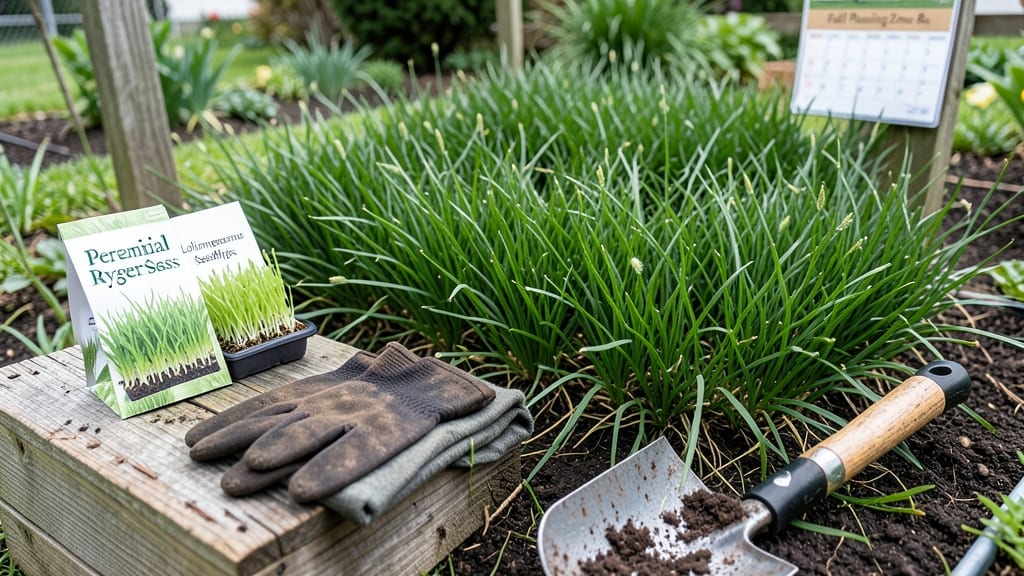
Planting perennial ryegrass in Texas at the right time means the difference between a fast, lush lawn and a struggle against the heat.
Texas lawns face brutal heat and drought, but timing your planting just right—like in September or October—can give you that green carpet you’re dreaming of. The challenge? Knowing exactly when to plant depends on whether you’re in North, Central, or South Texas, where frost dates shift dramatically.
Fall planting is the gold standard for perennial ryegrass in Texas because the cooler weather helps roots establish before winter. But if you miss that window, early spring can still work—with a few critical adjustments.
I’ll break down the best months for your specific region, soil prep secrets, and how to avoid the mistakes that kill ryegrass before it even takes hold.
Ready to skip the guesswork? You’ll learn how to time your planting for fast germination, the ideal soil conditions, and what to watch for in Texas’ unpredictable climate. Let’s get that lawn growing the right way.
Best planting months for perennial ryegrass in Texas by climate zone
Texas' diverse climate zones create unique challenges for growing perennial ryegrass. Unlike cool-season grasses that thrive in northern states, Texas lawns require precise timing to avoid heat stress and maximize root establishment.
The key is planting when soil temperatures stay below 80°F but remain warm enough for germination—typically in fall or early spring.
North Texas (USDA Zones 8a-8b) has cooler winters, while South Texas (Zones 9b-10b) rarely sees frost. Central Texas (Zone 8a-9a) falls in between. Each region demands a slightly different approach to avoid heat shock or dormancy issues.
Let’s break down the best planting windows for each zone to ensure your ryegrass thrives.
Why timing matters: Planting too early in hot months causes seeds to overheat and fail to germinate. Planting too late risks frost damage before roots establish. The 4-6 week rule applies—plant this many weeks before the first frost in fall or after the last frost in spring.
Visual comparison: Below is a breakdown of optimal planting months by Texas climate zone, including soil temperature ranges and key considerations for each region.
| Climate Zone | Best Planting Window | Soil Temp Range (°F) | Key Considerations |
|---|---|---|---|
| North Texas (8a-8b) | September 15 - October 15 (fall) or February 1 - March 15 (spring) | 60-75°F | Cooler winters; first frost ~November 15. Prioritize fall planting for best results. |
| Central Texas (8a-9a) | September 1 - October 10 (fall) or February 15 - March 10 (spring) | 65-78°F | Transition zone; first frost ~November 1. Avoid planting after October 15 to prevent heat stress. |
| South Texas (9b-10b) | August 15 - September 15 (fall) or February 20 - March 31 (spring) | 70-80°F | Warmer winters; minimal frost risk. Fall planting is critical to avoid summer heat. |
For North Texas, fall planting in September-October is ideal because cooler temperatures and increased rainfall create perfect conditions for seed germination. The soil stays warm enough to encourage root growth but doesn’t overheat like in summer.
If you choose spring planting, aim for February-March—after the last frost—when soil temperatures rise but daytime highs remain manageable.
In Central Texas, the transition zone demands extra caution. The window narrows to September-October because heat lingers longer into fall. Planting after October 15 risks seeds drying out before germination. If you miss fall, early spring (February-March) is your second chance, but growth may slow if temperatures spike prematurely.
South Texas gardeners have the shortest window due to warmer winters. Plant August-September to take advantage of the brief period when soil temperatures drop below 80°F.
Spring planting is possible in February-March, but success depends on immediate post-planting watering to prevent heat stress. Avoid planting after April 1—summer’s intensity will kill seedlings.
Regardless of your Texas region, soil temperature is the most critical factor. Use a soil thermometer to confirm conditions are right—ideal temps are 60-75°F for germination. If temps exceed 80°F, seeds may fail to sprout, wasting your effort and resources.
Pro tip: In Central and South Texas, consider shade cloth during extreme heat waves to protect newly planted seeds. A simple 30% shade cover can reduce soil temps by 10-15°F, making all the difference in seed survival.
After planting, focus on consistent moisture for the first 3-4 weeks. Deep watering 2-3 times per week encourages deep root growth, which is essential for surviving Texas’ summer droughts. Mulch lightly with straw to retain moisture and protect seeds from drying out.
Timing your perennial ryegrass planting correctly in Texas isn’t just about avoiding frost—it’s about beating the heat. By following these zone-specific guidelines, you’ll give your lawn the best shot at establishing a thick, resilient turf that stays green even during Texas’ brutal summers. 🌱
How to prepare your Texas lawn for perennial ryegrass planting
Preparing your Texas lawn for perennial ryegrass planting is all about timing and soil health. Texas’ unpredictable climate means your lawn needs extra attention to establish strong roots before summer heat arrives.
The key is to start 4-6 weeks before the first frost—usually in September or October—to give seeds time to germinate and grow before winter dormancy.
First, test your soil pH—perennial ryegrass thrives in slightly acidic to neutral soil, ideally between 6.0 and 7.0. If your soil is too alkaline, amend it with sulfur or peat moss a few weeks before planting.
Texas soils often lack organic matter, so adding compost or aged manure will improve drainage and moisture retention, which is critical for young grass roots.
Next, focus on aeration and overseeding. Texas lawns compact easily from foot traffic and summer heat, so rent a core aerator to pull small soil plugs and create channels for seeds, water, and nutrients.
Aim for fall aeration—it’s the best time to reduce compaction before planting. After aerating, lightly rake the soil to create a fine seedbed, ensuring seeds make direct contact with the earth for faster germination.
-
1
Test Soil pH
Use a soil test kit to check pH. Aim for 6.0-7.0. If needed, amend with sulfur or compost 2-3 weeks before planting. -
2
Aerate Your Lawn
Rent a core aerator in late summer or early fall to reduce compaction. Focus on high-traffic areas where soil is hardest. -
3
Spread Seed Evenly
Use a broadcast spreader for perennial ryegrass seed at a rate of 5-8 lbs per 1,000 sqft. Lightly rake to ensure seed-to-soil contact. -
4
Apply Starter Fertilizer
Use a high-phosphorus fertilizer (e.g., 10-20-10) to boost root growth. Follow label rates for Texas soil conditions. -
5
Water Consistently
Keep soil moist but not soggy for the first 3-4 weeks. Water lightly 2x daily (morning and evening) to prevent seed washout. -
6
Mow High After Germination
Once grass reaches 3-4 inches tall, mow at 3-4 inches to encourage deeper roots and shade out weeds.
After planting, watering is critical. Perennial ryegrass needs consistent moisture to germinate, so water lightly twice daily (morning and evening) for the first 3-4 weeks. Avoid deep watering during this phase—it can dislodge seeds.
Once seedlings emerge, gradually reduce frequency to deep, infrequent watering to encourage deep root growth, which is essential for surviving Texas summers.
In North Texas, where winters are cooler, you can also plant in early spring (February-March), but fall planting is still preferred. For South Texas, stick to September planting to avoid the intense summer heat.
Always check your local USDA hardiness zone and first frost dates to fine-tune your schedule.
Finally, consider mulching lightly with straw after planting to retain moisture and protect seeds from wind. Remove the mulch once germination is complete to avoid smothering young grass. With these steps, your perennial ryegrass will establish a dense, drought-resistant lawn ready to handle Texas’ challenges.