
Size
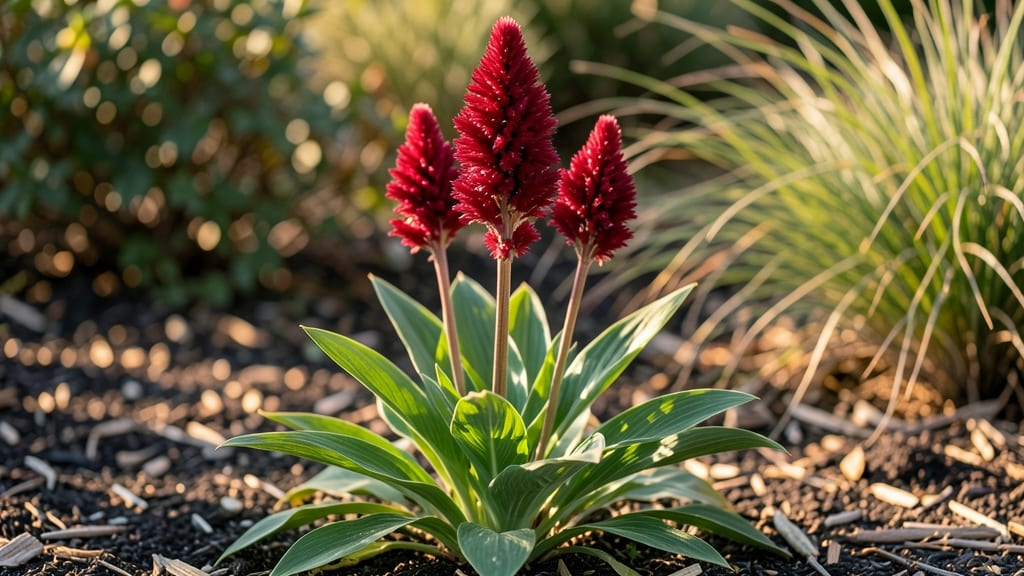
Celosia plants grow anywhere from 6 inches to 3 feet tall, depending on the variety you choose—so your garden layout can range from window-box charm to bold vertical statements.
If you're dreaming of vibrant, fireworks-like blooms but wondering whether they'll fit in your space, their height can make or break your planting plan.
Some celosia varieties stay compact, perfect for borders or containers, while others reach towering heights that demand a back-row spot. The difference often comes down to whether you're growing Celosia argentea (like 'Cockscomb') or Celosia cristata (the plumed types), each with its own growth quirks.
Sunlight, soil, and even your last frost date play a role in how tall your celosia will grow—too little sun stunts them, while rich soil can send them shooting upward. But with the right variety and a little care, you can control their height to fit your garden's vision.
Below, I break down the height ranges for popular types, how to manage growth, and the best ways to use them in your beds or containers—so you can plan with confidence and avoid the "oops, too tall" moment.


Celosia height guide: compact varieties under 2 feet
If you're planning a small garden or container planting, compact celosia varieties are your best bet for vibrant color without overwhelming space. These dwarf and semi-dwarf types mature between 6 inches and 2 feet, making them perfect for borders, window boxes, and fairy gardens.
Their fireworks-like blooms add drama without sacrificing precious square footage.
Choosing the right celosia variety depends on your space constraints and design goals. Some stay under 12 inches, ideal for window boxes, while others reach 18-24 inches, perfect for container arrangements or front-of-border plantings.
Below, I’ve broken down the most popular compact types with their mature heights and care essentials.
Why height matters: Compact celosia won’t tower over other plants, but they still need 6+ hours of sun and well-draining soil to thrive. Their upright growth habit makes them excellent cut flowers too—just snip stems when blooms are fully open.
For window boxes, I recommend 'Tom Thumb' or 'Pumila'—their 6-12 inch heights fit perfectly with petunias or sweet alyssum. These varieties also handle container life beautifully, especially in 5-gallon pots with well-draining mix. Just ensure pots have drainage holes to prevent root rot.
Soil and sunlight are critical for compact growth. Celosia thrives in loamy soil with a pH of 6.0-7.0. Amend heavy clay with compost or sand to improve drainage. While they tolerate partial shade, blooms will be sparser—aim for 6+ hours of direct sun daily for the most vibrant colors.
Watering needs are moderate: keep soil evenly moist but never soggy. Overwatering causes root rot, while underwatering leads to drooping leaves. Mulch around the base with straw or shredded leaves to retain moisture and suppress weeds. This is especially helpful in hot climates where soil dries quickly.
Deadheading spent blooms encourages continuous flowering throughout the season. Use clean pruning shears to snip just above a set of leaves. For extra bushiness, pinch back tips of young plants when they reach 6 inches. This technique works best with 'Impatient' or 'Flame' varieties.
In
Tall celosia varieties: when to plant for vertical impact
Towering celosia varieties like Celosia argentea 'New Look' and Celosia cristata 'Double Click' can reach 2 to 4 feet tall, making them perfect for creating dramatic vertical accents in your garden.
These varieties thrive when planted in full sun and well-draining soil, ensuring robust growth and vibrant blooms that last from summer through fall.
When planning your garden layout, consider spacing these tall celosia 12 to 18 inches apart to give their stems room to grow without competing for nutrients. This spacing also prevents overcrowding, which can lead to leggy stems and fewer blooms.
For container gardens, choose larger pots (at least 12 inches wide) to accommodate their root systems.
Pros and Cons of Tall Celosia Varieties
Pair tall celosia with sun-loving companions like salvia or zinnia to create a cohesive vertical display. These plants share similar care requirements, making maintenance easier. For added structure, plant them near ornamental grasses or tall snapdragons, which complement their fiery hues while providing natural windbreaks.
To maximize their vertical impact, plant tall celosia at the back of borders or along fences and trellises. In containers, place them in the center to draw the eye upward. Regularly deadhead spent blooms to encourage continuous flowering and maintain a tidy appearance throughout the season.
If you're in a small-space garden, opt for dwarf varieties like 'Tom Thumb' for borders, but save the towering types for focal points. With the right placement and care, tall celosia will become the star of your garden, adding height, color, and texture to any design.