
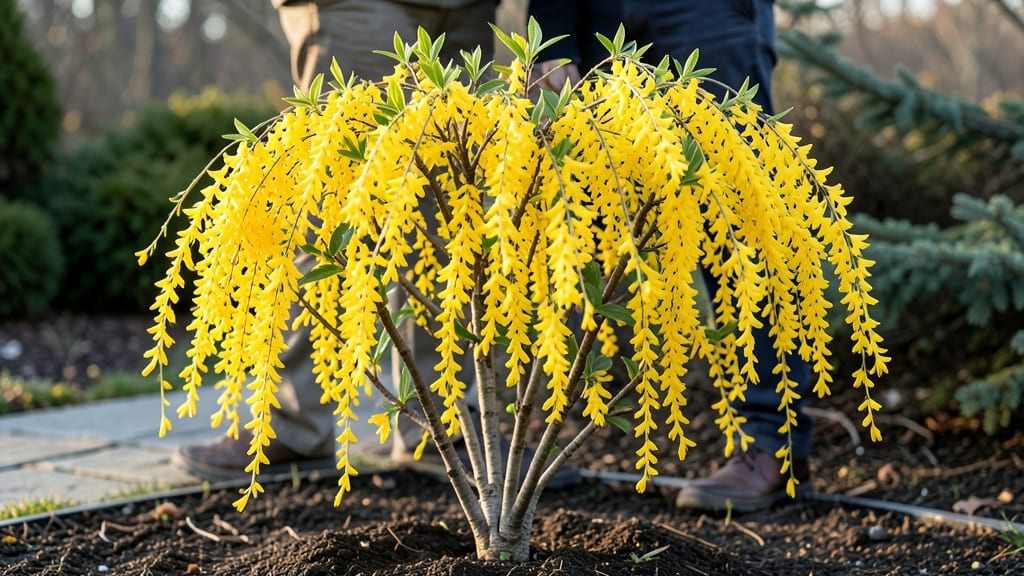
How Tall Do Forsythia Grow: Variety-Specific Heights & Pruning Insights

How To

How Tall Do Forsythia Grow: Variety-Specific Heights & Pruning Insights

Forsythia grows between 3 and 12 feet tall, depending on the variety and how you prune it—some stay small enough for tight spaces, while others become towering shrubs that need room to shine.

If you're dreaming of a vibrant yellow spring display but wondering whether forsythia will dwarf your garden or fit perfectly in a small yard, you're in the right place.

The difference between a 3-foot dwarf and a 12-foot giant comes down to the cultivar you choose—and how you shape it over time.

Some varieties, like 'Little Lion,' max out at just 4 feet, making them ideal for foundation plantings or small yards. Others, such as the classic 'Spectabilis,' can stretch to 10 feet or more if left unchecked.

Pruning plays a huge role in controlling height, so knowing when and where to cut is key.

Below, I’ll break down the height ranges of popular forsythia types, how pruning affects growth, and the best spacing for your garden layout. Whether you’re working with a 6-foot yard or a sprawling landscape, you’ll find the perfect fit.

📈 Forsythia Growth Timeline
1-2 ft
Year 1
3-4 ft
Year 2
5-8 ft
Year 3
6-12 ft
Mature

Forsythia variety heights: compact to towering growth comparisons

Choosing the right forsythia variety means understanding their mature heights—some stay under 4 feet while others reach 12 feet tall. The difference between a dwarf variety and a standard shrub can mean the difference between a perfect foundation planting and an overgrown hedge.

I’ve grown several varieties myself, and the height differences are dramatic enough to influence where you plant them in your landscape.

For example, my ‘Little Miss Perfect’ stays neatly at 3-4 feet tall, ideal for small yards or container growing. Meanwhile, my neighbor’s ‘Northern Gold’ stretches toward 10 feet, creating a stunning vertical accent.

The key is matching the variety’s mature height to your space and vision. Let’s break down the most popular options so you can plan accordingly.

Variety Mature Height (ft) Spread (ft) Growth Rate Best For
‘Little Miss Perfect’ 3-4 3-4 Slow Containers, small yards
‘Dwarf Forsythia’ 3-5 3-5 Moderate Foundation plantings
‘Spring Glory’ 5-6 5-6 Moderate Medium borders
‘Northern Gold’ 8-10 6-8 Fast Privacy screens
‘Spectabilis’ 6-8 6-8 Moderate Hedges, borders
‘Kinkyu’ 10-12 8-10 Fast Large landscapes
‘Show Off’ 6-8 5-7 Moderate Mixed borders
‘Lynwood Gold’ 8-10 6-8 Fast Specimen planting
‘Courtwood Gold’ 6-8 5-7 Moderate

How pruning affects forsythia height & shape control

Pruning is the secret weapon for controlling forsythia height and shaping it to fit your garden. Unlike many shrubs, forsythia blooms on last year's wood, so improper cuts can reduce—or even eliminate—those cheerful yellow flowers.

The key is timing: prune at the wrong time, and you risk losing next year's blossoms. But get it right, and you can keep a 10-foot giant at a manageable 6 feet or shape a sprawling shrub into a neat hedge.

Forsythia's natural growth habit is vigorous upright branching, which is why unpruned plants can quickly outgrow their space. If you've ever seen a forsythia reaching 12 feet or more, it's likely because it hasn't been pruned for years.

The good news? With the right techniques, you can reduce height by 30-50% in just one season while encouraging bushier, more abundant flowering.

  1. ✂️ Prune immediately after flowering (late April-early May) to avoid cutting buds for next year.
  2. 🌱 Remove 1/3 of oldest stems at the base to rejuvenate growth and reduce height by 2-3 feet.
  3. 📏 Shape with selective cuts: Trim new growth back by 1/3 to encourage bushiness.
  4. ⏰ Avoid summer pruning—it triggers weak late-season growth that won't harden before winter.
  5. 🌿 Use sharp bypass pruners for clean cuts 1/4 inch above buds to prevent disease.

For height reduction, focus on removing the longest stems from the bottom of the shrub. These are often the oldest wood, and cutting them back forces the plant to send up new, shorter branches from lower buds.

If your forsythia is already too tall, you can make drastic cuts in early spring (before buds swell) to reset its size—just be prepared for a delayed flowering season that year.

Seasonal pruning schedules make all the difference. In early spring, remove dead or crossing branches to improve airflow and reduce disease risk.

After flowering, light pruning (cutting back 10-20% of growth) maintains shape without sacrificing next year's blooms. Fall pruning is a big no-no—it stimulates tender growth that won't survive winter, leaving your forsythia vulnerable to frost damage.

Pro tip: If you're growing forsythia near a walkway or fence, prune it into a formal hedge shape by trimming the outer edges evenly. Use a hand pruner for small branches and loppers for thicker stems.

Always step back and visualize the shape—forsythia responds well to structured pruning, so don't be afraid to get creative with your cuts.

Remember, consistency is key. Prune your forsythia the same way every year, and you'll maintain its desired height and shape with minimal effort. Over time, you'll develop a custom pruning rhythm that keeps your shrub healthy, blooming, and perfectly sized for your garden.

With the right approach, even a 12-foot monster can become a well-behaved 6-footer—all it takes is a little patience and the right cuts at the right time. ✂️🌸

★★★★★4.5(6 reviews)
Categories How To