
How To
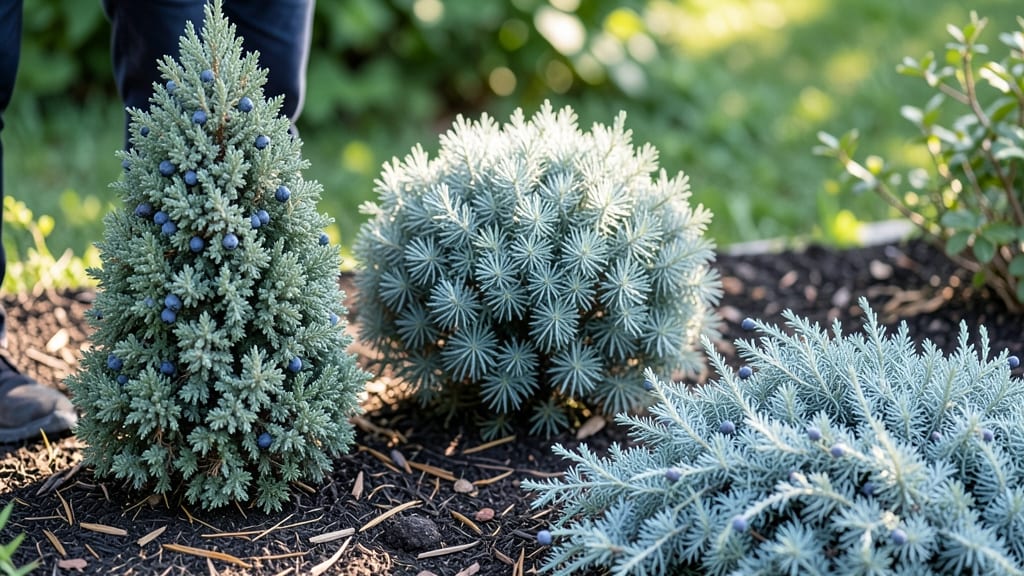
How tall do junipers grow? The answer varies dramatically—from just 1 foot to towering over 40 feet, depending on the species and growing conditions.
Picture this: a dwarf juniper like 'Blue Rug' hugging your patio edge, while a 'Pfitzer' juniper climbs toward your roofline. The difference isn’t just in aesthetics—it’s about how you plan your landscape or container garden.
Some varieties mature in 5 years, while others take decades to reach their full height.
Climate plays a huge role—cooler zones like 6a slow growth, while warmer regions can push junipers toward their maximum potential faster. Soil drainage and pruning habits also shape their size, which is why knowing your variety’s growth habits is the first step to avoiding overcrowded spaces or underwhelming designs.
Below, I’ll break down the height ranges by category—dwarf, shrub, small tree, and giant—along with tips to manage growth if your space is limited. You’ll also find a handy comparison chart to visualize just how big (or small) these evergreens can get.


Junipers height by variety: dwarf to giant growth ranges
Junipers offer an incredible range of sizes, from dwarf varieties perfect for containers to giant specimens that dominate landscapes. Understanding these height variations helps you select the right cultivar for your space—whether it's a rock garden, hedge row, or backyard focal point.
Most junipers grow slowly, but some cultivars can reach their mature height in just a few decades, while others take centuries.
For example, the Blue Rug juniper stays under 2 feet, making it ideal for edging or window boxes, while the Eastern red cedar can soar over 40 feet in the wild.
Your climate and soil conditions also play a role—cooler regions often yield slower growth, while well-draining soil in sunny locations can accelerate height development. Let's explore the full spectrum of juniper heights and what to expect from each category.
If you're working with limited space, dwarf junipers like 'Blue Rug' or 'Blue Carpet' are excellent choices, rarely exceeding 2 feet in height. These varieties grow at a glacial pace—often just 1–2 inches per year—so they maintain their compact form for decades.
Their slow growth also means minimal pruning is needed, making them low-maintenance options for urban gardens or balcony containers.
For medium-sized landscapes, shrub junipers like 'Wichita Blue' (6–8 feet) or 'Sea Green' (5–7 feet) strike a balance. These cultivars grow at a moderate pace, typically adding 3–6 inches annually, and thrive as privacy hedges or windbreaks.
Their vibrant blue-green foliage also adds year-round color, making them standout performers in mixed borders.
The small tree junipers category includes varieties like 'Skyrocket', which grows in a narrow column to 15–20 feet—ideal for tight spaces where height is needed but width must be controlled.
Others, like 'Pfitzer Juniper', spread wider (up to 10 feet) but stay under 10 feet tall, perfect for foundation plantings or specimen use. These varieties grow faster than dwarfs but still require patience, taking 10–15 years to reach maturity.
At the opposite end of the spectrum, giant junipers like the Eastern red cedar can reach 40 feet or more in ideal conditions. Native to North America, this species thrives in wildland settings and provides excellent wildlife habitat while offering year-round structure.
However, their massive size means they're best suited for rural properties or naturalistic landscapes where they can spread their roots freely.
One common misconception is that all junipers grow at the same rate. In reality, growth rates vary dramatically—even within the same height category. For instance, 'Blue Pacific' grows faster than 'Shimpaku', reaching 20–30 feet in 20–30 years, while 'Shimpaku' remains under 10 feet even after decades.
Always check the specific cultivar's growth rate before planting to avoid surprises in your landscape design.
To manage the height of taller junipers, pruning in late winter encourages denser growth and prevents overgrowth. Use sharp, clean tools to make cuts just above a leaf node, and avoid
How fast do junipers grow? Growth rates and mature size factors
Junipers grow at varying speeds depending on the species and growing conditions. While some varieties creep along at just 6 inches per year, others can shoot up 12+ inches annually under ideal circumstances.
Understanding these growth rates helps you plan your garden layout and manage expectations for spacing and maintenance.
Most junipers fall into the slow to moderate growth category, making them excellent low-maintenance choices. However, factors like soil quality, sunlight exposure, and pruning habits can significantly influence how quickly they reach their mature height. Let's explore the key factors that shape juniper growth rates.
- 1.
- 2.
- 3.
- 4.
- 5.
For small-space gardening, choose slow-growing varieties like Blue Rug (1-2 ft tall) or Wichita Blue (2-3 ft tall). These stay compact even with minimal pruning.
If you're dealing with faster-growing types like Eastern Red Cedar (30-40 ft tall), plan for annual tip pruning to control height and shape.
Monitor your juniper's growth by marking its height on a garden stake every spring. This helps track progress and adjust care routines. With the right conditions, even slow growers can add 6-12 inches annually, while fast growers may reach maturity in just 10-15 years instead of 20+.
Remember, junipers are long-lived plants—some varieties live for hundreds of years. Patience pays off, and their slow growth is part of their charm. By understanding these factors, you can create the perfect environment for your juniper to thrive at its ideal pace. 🌲