
How To
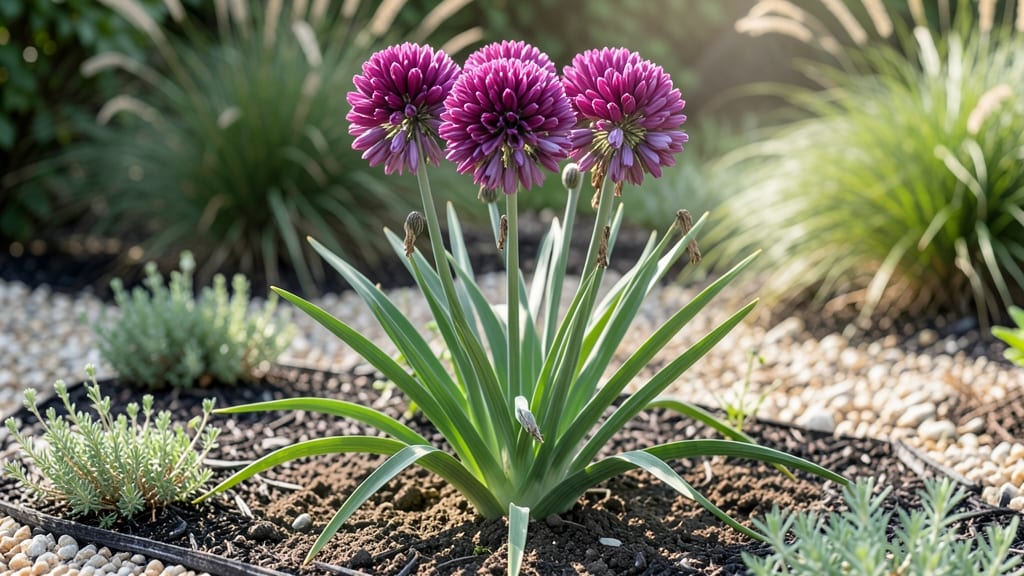
How tall does allium grow? These plants range from just 8 inches to over 4 feet in height, depending on the variety, making them a versatile choice for any garden design.
If you're planning your garden layout or choosing alliums for borders, knowing their mature height is key—some varieties reach towering elegance while others stay compact. But how tall do alliums grow, and which types dominate the space?
For example, Allium giganteum can soar to 5 feet, while Allium roseum stays under 12 inches. This range means you can use them as dramatic focal points or subtle accents in containers, borders, or meadow-style plantings.
Below, I’ll break down the height variations by species, share spacing tips to prevent overcrowding, and help you pick the perfect alliums for your garden’s style—whether you want vertical drama or low-maintenance charm.


Allium height by variety: from dwarf to giant species
Alliums offer a stunning range of heights, from tiny dwarf varieties perfect for edging to towering giants that steal the show in borders. Understanding these height differences helps you plan your garden layout with confidence—whether you're creating a low-maintenance rock garden or a dramatic back-of-border spectacle.
The good news? Most alliums grow vertically, making them ideal for adding structure without overwhelming space.
I’ve grown dozens of allium varieties over the years, and the height variations never cease to amaze me. Some, like Allium roseum, stay under a foot tall, while others like Allium giganteum can reach nearly 5 feet at maturity.
This diversity means you can mix and match alliums to create layers in your garden, from foreground accents to towering focal points. Let’s dive into the specifics so you can choose the perfect varieties for your design goals.
Pro Tip: Always check the mature height label when buying allium bulbs, as some nurseries list heights before blooming—when they’re often 25-50% shorter. For example, Allium schubertii might be labeled as 3 feet, but it typically grows closer to 4 feet when fully mature. Planning for the final height ensures your garden looks balanced once the blooms appear.
If you’re working with small spaces, dwarf alliums like Allium roseum or Allium moly are game-changers. They thrive in containers and rock gardens, adding delicate color without taking up much room.
I once planted Allium roseum in a window box alongside thyme and lavender, and the contrast of their pink pom-pom blooms against the silver foliage was breathtaking. These varieties also rebloom reliably if you deadhead them promptly after flowering.
For mid-height alliums (18–36 inches), varieties like Allium sphaerocephalon and Allium cristophii excel in pollinator gardens and cut-flower arrangements. Their globular blooms attract bees and butterflies while adding texture to mixed borders.
I’ve found that spacing them 12–18 inches apart prevents overcrowding and ensures each plant gets enough sunlight and airflow. These varieties also naturalize well, so they’ll multiply over time if given the right conditions.
Now, let’s talk about the tall alliums—the stars of the show! Varieties like Allium giganteum and Allium ampeloprasum can reach 5–6 feet, making them perfect for back-of-border planting or as standalone focal points.
In my own garden, I planted Allium giganteum near a shrub rose, and the purple globe blooms created a stunning vertical contrast. Just be prepared to stake them if your area gets windy or rainy, as their heavy flower heads can flop over without support
How Allium height affects garden design and plant pairings
Alliums aren't just pretty—they're architectural stars that can transform your garden's vertical layers. Their height variations let you create drama, fill gaps, or anchor borders with minimal effort.
But choosing the right allium height for your design goals means understanding how each variety plays its part in the garden composition. Whether you want low borders, mid-height accents, or towering focal points, alliums deliver.
Tall alliums like Allium giganteum (up to 4 feet) command attention as backdrop plants, while dwarf varieties such as Allium roseum (6-12 inches) add delicate texture to rock gardens or container edges.
The key is pairing their heights with complementary plants to create balanced visual interest without overwhelming your space.
- 1 Dwarf Alliums (6-12 inches): Perfect for foreground planting, container gardens, or walkway edges. Pair with thyme, sedum, or low-growing lavender for a textured border.
- 2 Medium Alliums (12-24 inches): Ideal for mid-border planting or mixed containers. Combine with salvia, catmint, or dwarf coneflowers for height contrast and season-long color.
- 3 Tall Alliums (24-48 inches): Use as backdrop plants or focal points. Plant near grasses, delphiniums, or hollyhocks to create dramatic vertical lines in perennial beds.
- 4 Container Pairings: Mix tall alliums (like Allium ampeloprasum) with spiller plants (e.g., fuchsia or lobelia) and filler plants (e.g., coleus or heuchera) for balanced containers that thrive in patio gardens.
For border edges, I recommend spacing dwarf alliums every 6-8 inches to create a dense, uniform look. Their compact size makes them ideal for low-maintenance borders that still pack a punch.
Add ground covers like creeping thyme or ajuga to tie the design together while keeping weeds at bay.
In mixed borders, use medium-height alliums (like Allium schubertii) as transition plants between tall perennials (e.g., black-eyed Susans) and low shrubs (e.g., dwarf boxwood). Their globular blooms add structural interest without competing for space, making them a gardener’s secret weapon for layered designs.
When using tall alliums as focal points, group 3-5 plants together in a cluster for maximum impact. Pair them with grasses like Miscanthus or feather reed grass to create movement and texture.
For cut flower gardens, tall alliums like Allium christophii (up to 3 feet) pair beautifully with snip-and-grow favorites like snapdragons or celosia.
Pro tip: If you're working with small spaces, opt for container gardening with dwarf varieties. A mix of Allium karataviense (8 inches) and Allium moly (12 inches) in a 12-inch pot creates a pollinator-friendly display that fits even on balconies or patios.
Just ensure your container has drainage holes and use well-draining soil to prevent bulb rot.