
How To
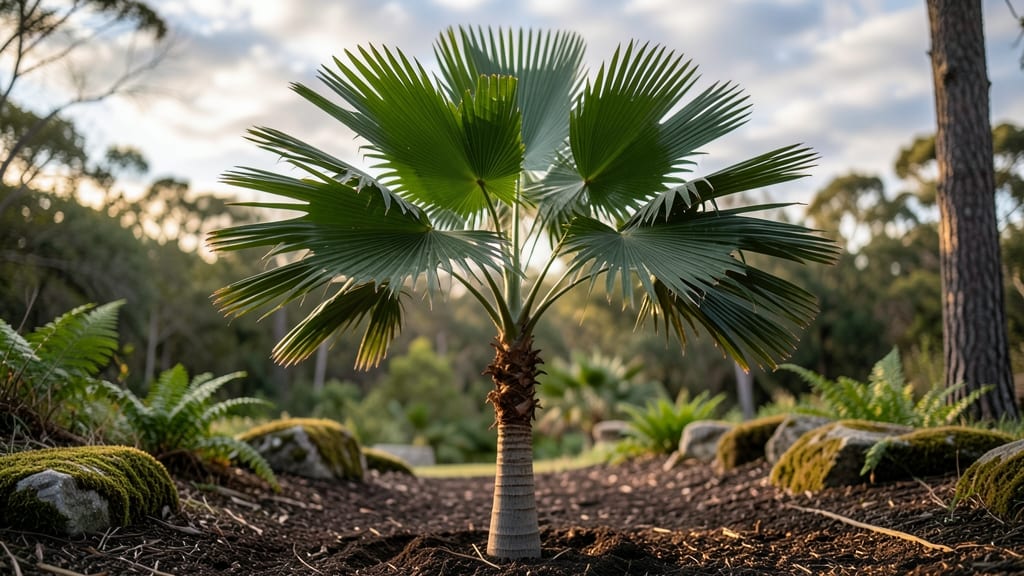
A Majesty Palm 🌴 can grow between 30 to 60 feet tall at maturity, towering like a tropical giant in your landscape—but its final height depends on where you plant it and how you care for it.
Picture this: a 20-foot palm in your backyard, swaying gently in the breeze, or a 10-foot indoor statement piece that steals the show in your living room. The same plant can look dramatically different depending on whether it’s crammed in a pot or sprawling in the ground.
If you’re wondering how fast it grows or what you can do to control its size, the answers lie in sunlight, soil, and pruning.
I’ll break down the factors that turn a 3-foot sapling into a Majesty Palm that rivals a two-story house—plus how to keep it manageable if space is tight.
By the end, you’ll know exactly what to expect from your Majesty Palm’s growth journey and how to shape it to fit your space—whether that’s a cozy corner or a sprawling garden.


Majesty Palm mature height ranges by variety: what to expect indoors vs. outdoors
The Majesty Palm (Raphis excelsa) is a showstopper in any space, but its final height depends entirely on its variety and growing conditions. While some varieties reach 60 feet outdoors, indoor specimens rarely exceed 6-10 feet due to limited space and light.
Understanding these differences will help you choose the right variety for your home or garden.
Outdoor Majesty Palms thrive in USDA zones 10-11, where they can grow unrestricted by pot size and reach their full potential. Indoors, however, their growth is severely limited by container size and artificial lighting. Even with ideal care, indoor palms grow 3-5 times slower than their outdoor counterparts.
Sunlight exposure is the #1 factor accelerating growth. Outdoor palms basking in full sun can grow 2-3 feet per year, while indoor palms near north-facing windows may grow just 2-4 inches annually. Let’s break down the height ranges by variety to help you plan.
| Variety | Indoor Height (Container) | Outdoor Height (Garden) | Growth Rate (Annual) | Sunlight Needs |
|---|---|---|---|---|
| Raphis excelsa 'Windmill Palm' | 6-10 ft | 30-50 ft | 1-2 ft (indoor), 2-3 ft (outdoor) | Bright indirect light |
| Raphis humilis 'Dwarf Majesty Palm' | 4-6 ft | 15-20 ft | 6-12 in (indoor), 1-2 ft (outdoor) | Partial shade to full sun |
| Raphis palmatum 'Fan Palm' | 5-8 ft | 25-40 ft | 8-12 in (indoor), 1.5-2.5 ft (outdoor) | Full sun to partial shade |
The Raphis excelsa 'Windmill Palm' is the most popular variety, but its outdoor height of 30-50 feet makes it unsuitable for small gardens unless pruned regularly.
For indoor spaces, this variety maxes out at 6-10 feet unless given supplemental grow lights, which can push growth to 12 feet over 5 years.
If you’re working with limited space, the Raphis humilis 'Dwarf Majesty Palm' is a better choice. It stays compact indoors (4-6 feet) but still reaches 15-20 feet outdoors. This variety is also more adaptable to lower light, making it ideal for office spaces or north-facing rooms.
For fastest growth outdoors, place your Majesty Palm in full sun with well-draining soil.
In USDA zone 10-11, expect 2-3 feet of growth per year during its first decade. Pruning isn’t typically needed for height control outdoors, but removing dead fronds keeps the plant healthy and encourages new growth.
Indoors, pot size matters most. A 15-gallon container will limit growth to 6-8 feet, while a 5-gallon pot may stunt growth to 3-5 feet. Upgrading to a larger pot every 2-3 years can extend its lifespan and encourage taller, fuller growth.
One common misconception is that Majesty Palms grow quickly indoors. In reality, they’re slow growers in containers due to root-bound conditions. If you’re impatient for height, consider supplemental CO2 or grow lights, which can double growth rates in optimal conditions.
However, this requires daily maintenance and isn’t practical for most homeowners.
For outdoor landscaping, plan for 30+ feet of height if planting near driveways or walkways. In smaller gardens, opt for the Raphis humilis variety or prune aggressively to maintain a manageable height. Always measure your space before purchasing to avoid disappointment.
🌴
Key factors that determine how tall your Majesty Palm will grow
The Majesty Palm (Raphis excelsa) can reach 30 to 60 feet outdoors, but its growth is heavily influenced by your care choices. If you’re growing it in a pot indoors, expect a more compact 6 to 12 feet—unless you’re aggressive with fertilizing.
The key factors? Pot size, humidity, pruning, and even temperature all play a role in whether your palm stretches toward the ceiling or sky.
For example, a root-bound Majesty Palm in a cramped pot will focus energy on fronds instead of height, while over-fertilizing can lead to rapid but unstable growth. Balancing these factors is the secret to controlling its size while keeping it healthy.
Let’s break down the pros and cons of each so you can plan accordingly.
Factors That Affect Majesty Palm Height
✅ Pot Size (Indoor Growth)
- ✔ Pros: Limits height to 6-12 ft in containers
- ✔ Pros: Easier to manage indoors
- ✔ Pros: Prevents overgrowth in small spaces
- ✖ Cons: Root-bound stress stunts growth
- ✖ Cons: Requires frequent repotting
✅ Humidity Levels
- ✔ Pros: High humidity (60%+) encourages taller, lush growth
- ✔ Pros: Mimics tropical conditions
- ✖ Cons: Low humidity causes stunted growth and dry fronds
- ✖ Cons: Requires misting or humidifier
✅ Pruning Techniques
- ✔ Pros: Trimming dead fronds encourages bushier growth
- ✔ Pros: Controls height in containers
- ✖ Cons: Over-pruning weakens the plant
- ✖ Cons: Can expose the trunk to pests
✅ Temperature Tolerance
- ✔ Pros: Thrives in 70-90°F for optimal growth
- ✔ Pros: Cold drafts slow growth but don’t kill it
- ✖ Cons: Below 50°F stunts growth
- ✖ Cons: Frost is fatal
If you’re growing your Majesty Palm outdoors in zones 10-11, it will naturally reach its full 30-60 ft potential—but only if given enough space. In containers, however, you’re limited by pot size.
A 15-gallon pot might keep it under 10 feet, while a 50-gallon pot could push it toward 15 feet over time. The trick is to repot every 2-3 years to avoid root-bound stress.
Another game-changer? Fertilizing. A Majesty Palm fed with a balanced 6-6-6 fertilizer every 6-8 weeks during spring and summer will grow faster—but too much can lead to weak, leggy fronds. I recommend sticking to the manufacturer’s dosage and flushing the soil with water monthly to prevent salt buildup.
For indoor growers, humidity is non-negotiable. These palms love 60%+ humidity, which you can achieve with a pebble tray or humidifier. Without it, your palm will grow slower and develop brown tips.
If you’re in a dry climate, consider grouping plants together to create a microclimate of moisture.
Finally, pruning isn’t just about aesthetics—it’s a tool for controlling height. By removing old, brown fronds at the base, you encourage new growth lower on the trunk, creating a fuller, bushier plant.
Just avoid cutting into the healthy green tissue, as this can harm the palm. Use sterilized pruners and seal the cuts with pruning paste if needed.
With the right balance of space, humidity, and pruning, you can steer your Majesty Palm toward your ideal height—whether that’s a tall indoor centerpiece or a manageable outdoor accent. The key is consistency, so start with the right pot and care routine