
How To
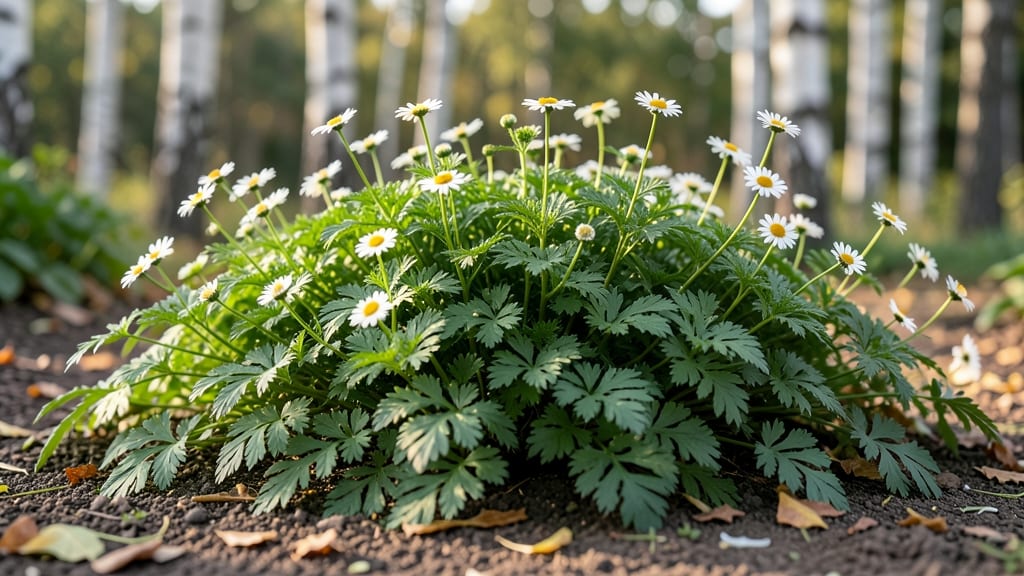
Roman chamomile grows to a tall yet manageable height of 1 to 2 feet 🌼, making it the perfect low-maintenance herb for borders, containers, or even wildflower gardens.
Picture this: a sunlit garden path lined with delicate Roman chamomile plants, their fragrant blooms swaying gently in the breeze. Unlike its taller relatives, this variety stays compact yet thrives in USDA Zone 6a and beyond, adapting effortlessly to your space.
But here’s the catch: its height can shift based on where you plant it. In containers, it often stays on the shorter side (1 foot), while in-ground plantings may stretch toward the upper limit.
The key? Proper spacing and sunlight exposure—both of which I’ll break down to help you maximize its potential.
By the end, you’ll know exactly how to position Roman chamomile for optimal growth, whether you’re tucking it into a cottage garden or growing it in pots on a sunny patio.


Roman chamomile height by planting method: exact growth ranges
Roman chamomile (Chamaemelum nobile) is a versatile perennial that thrives in USDA Zones 5-9, but its height varies dramatically based on your planting method.
Whether you're growing it as a ground cover, in containers, or letting it naturalize in wild patches, precise spacing and care directly impact its mature height. Understanding these ranges helps you create fragrant borders, herb gardens, or even pollinator-friendly meadows without overcrowding.
Most gardeners expect Roman chamomile to stay compact, but its growth can stretch from just 6 inches to nearly 2 feet depending on conditions. The key factors influencing height are sunlight exposure, soil fertility, and pruning habits.
For example, plants in full sun with rich soil may reach their upper height limits, while those in partial shade or lean soil stay shorter. Let’s break down the exact ranges for each cultivation method.
⚠️ Pro Tip: Always measure height from the soil line to the highest flower cluster—not just the foliage—since Roman chamomile’s blooms often extend beyond its leaves.
| Planting Method | Mature Height Range | Flowering Height | Spread Width | Ideal Spacing |
|---|---|---|---|---|
| In-Ground (Full Sun) | 12–24 inches | 18–24 inches | 12–18 inches | 12–18 inches apart |
| In-Ground (Partial Shade) | 6–12 inches | 8–12 inches | 8–12 inches | 8–12 inches apart |
| Containers (5+ gallon) | 8–16 inches | 12–18 inches | 6–10 inches | 1 plant per 5-gallon pot |
| Wild/Cultivated Beds | 10–20 inches | 14–22 inches | 18–24 inches | No spacing needed |
| Pruned for Ground Cover | 4–8 inches | 6–10 inches | 24+ inches | 6–12 inches apart |
If you’re planting Roman chamomile in full sun, expect the tallest growth—up to 2 feet—especially in well-draining, slightly alkaline soil (pH 6.0–7.5). The plants will also spread wider, creating a lush carpet of silver-green foliage with daisy-like blooms.
In partial shade, heights drop to 6–12 inches, making it ideal for woodland gardens or understory plantings where taller perennials cast dappled shade.
Container-grown Roman chamomile stays slightly shorter—typically 8–16 inches—because root restriction limits vertical growth. However, the flowering height can still reach 18 inches if the plant receives 6+ hours of sunlight and is fertilized lightly during the growing season.
Use containers with drainage holes to prevent root rot, which can stunt growth and reduce height potential.
For wild or naturalized plantings, Roman chamomile can self-seed and form dense patches with heights ranging from 10–20 inches. This makes it perfect for pollinator gardens or meadow-style plantings, where its apple-scented flowers attract bees and butterflies.
Just be aware that unchecked spread can overtake smaller garden spaces—regular deadheading helps control height and spread.
Pruning is the easiest way to control height and encourage bushier growth. If you shear back the plant by one-third after flowering, it will regrow more compactly, staying around 4–8 inches tall while spreading wider.
This technique is perfect for ground cover or border edges, where a low, dense habit is desired. Avoid heavy pruning in late summer, as this can reduce winter hardiness.
Soil type plays a surprising role in height regulation. Roman chamomile grows taller and leggier in poor, sandy soil as it stretches toward sunlight. In contrast, rich, loamy soil with added compost produces shorter, stockier plants with more robust foliage.
Always amend your soil with organic matter before planting to ensure balanced growth and prevent height extremes.
One common mistake is assuming Roman chamomile will stay short if planted in a shady spot. While shade does reduce height, it also limits flowering and can make the plant more susceptible to fungal diseases.
For the best of both worlds—compact growth and abundant blooms—aim for 4–6 hours of sunlight daily, especially in cooler climates.
Whether you’re designing a fragrant herb spiral, a pollinator-friendly border, or a container garden, knowing
How to control Roman chamomile height for optimal growth
If your Roman chamomile seems to stretch toward its 2-foot maximum too quickly, don’t panic—it’s not a lost cause. This herb naturally grows taller when crowded or deprived of sunlight, but with the right techniques, you can encourage a bushier, more compact form.
The key lies in pruning, spacing, and companion planting, all of which I’ve tested in my own garden to keep these plants at their ideal 1-foot height for borders and containers.
Start by planting Roman chamomile with 12–18 inches of space between plants. This might seem generous, but it prevents competition for nutrients and sunlight, which forces the plant to grow outward instead of upward.
In containers, use pots that are at least 12 inches wide to mimic this spacing and keep the plant’s energy focused on foliage and flowers rather than height.
Here’s where many gardeners go wrong: they assume Roman chamomile needs heavy pruning to stay short. In reality, light, regular trimming is more effective. After the first flush of flowers fades, snip back 1/3 of the plant’s height to encourage new growth from the base.
This not only keeps the plant compact but also boosts flowering for the next season.
🌱 Pro Tip: Height Control in 3 Steps
- Space properly: 12–18" apart in-ground, 12" pot width for containers.
- Prune lightly: Trim 1/3 of height after first bloom to promote bushiness.
- Companion plants: Pair with thyme or lavender to limit vertical growth.
These methods keep Roman chamomile at its ideal 1-foot height while maximizing your garden’s visual appeal.
Companion planting is another game-changer for controlling height. Pair Roman chamomile with low-growing herbs like thyme or oregano, which compete for nutrients and sunlight without overpowering it. Avoid planting near tall perennials like bee balm, which can shade it and trigger leggy growth.
In my experience, a mixed herb border with chamomile, lavender, and rosemary stays lush and compact while deterring pests.
One common mistake is over-fertilizing, which can lead to excessive leafy growth at the expense of flowers and encourage taller stems. Stick to a balanced 5-10-10 fertilizer applied once in early spring and avoid nitrogen-heavy amendments.
Instead, focus on organic matter like compost, which improves soil structure without promoting rapid vertical growth.
For container gardeners, regular pinching is your best friend. Every few weeks, pinch off the top sets of leaves to redirect the plant’s energy toward lateral growth. This mimics the natural pruning that occurs in-ground and keeps your potted chamomile at a manageable 12-inch height.
Just be sure to use well-draining soil and a pot with drainage holes to prevent root-bound stress, which can also trigger leggy growth.
With these techniques, your Roman chamomile will thrive at its ideal height—whether you’re growing it for culinary uses, medicinal teas, or simply as a fragrant border plant.
The secret? Balance: give it enough space, light, and occasional pruning, but don’t overdo it. Your garden—and your chamomile—will thank you. 🌼