
Flowers
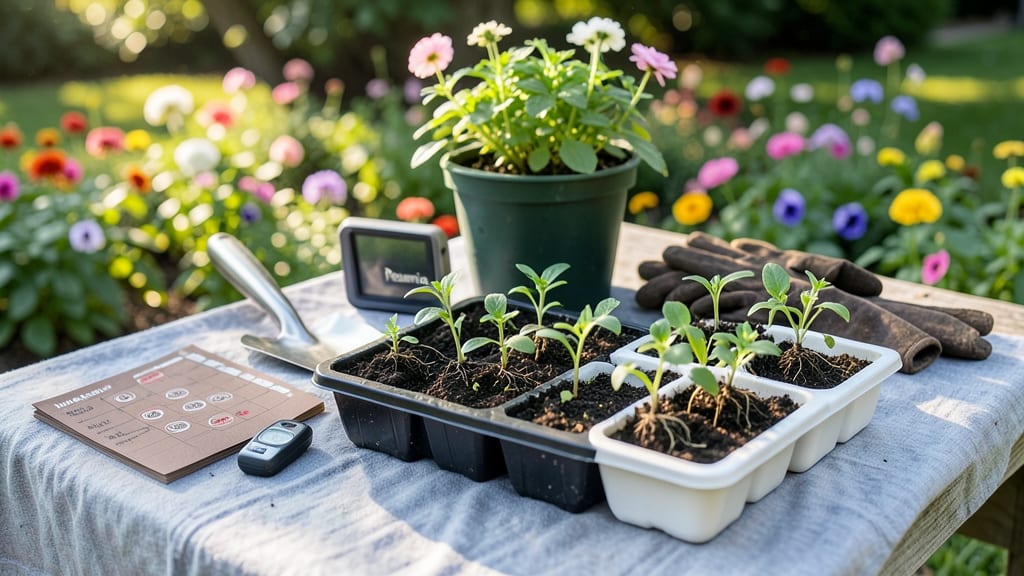
You can plant flowers in Michigan once the soil warms to 50°F and nighttime temperatures stay above 40°F for at least three weeks, typically mid-April to late May 🌸 — but timing varies wildly across the state.
Michigan’s unpredictable spring weather can turn a gardener’s excitement into anxiety—will your flowers bloom too early or too late? Timing is everything, and knowing the last frost dates for your specific zone ensures your garden thrives.
For USDA zones 5b-6b, most annuals like petunias and marigolds wait until after the last frost (usually late May in northern Michigan), while hardy perennials like coneflowers can go in as early as March if the ground isn’t frozen.
Below, I break down the exact planting windows by region, how to adjust for late frosts, and which flowers to choose for a longer bloom season—plus backup plans for those "just one more frost" moments.
Michigan last frost dates by USDA hardiness Zone (2024 guide)
Michigan’s USDA hardiness zones range from 4a to 6b, creating dramatic differences in last frost dates across the state.
In the Upper Peninsula (Zone 4a-5a), gardeners often wait until mid-to-late May to plant frost-sensitive flowers, while Southern Michigan (Zone 5b-6b) sees its last frost as early as mid-April. These variations mean your planting window could shift by weeks—even within the same county.
To avoid frost damage to tender annuals like petunias or marigolds, I recommend tracking local frost data for 3–5 years.
The Michigan State University Extension provides updated records, but historical averages show Zone 5b (Detroit area) typically hits 50°F soil temps by early April, while Zone 4a (Upper Peninsula) lingers near 40°F until late May.
Here’s how to use this guide: First, locate your USDA zone using the USDA Plant Hardiness Zone Map. Then, cross-reference with the last frost dates below to determine when to plant cool-season flowers (like pansies) versus warm-season blooms (like zinnias).
Pro tip: Add 2–4 weeks to the average date if your area has a history of late frosts.
For perennials, like black-eyed Susans or daylilies, you can plant as early as 2–4 weeks before the average last frost date. These hardy plants often survive light frosts and even 32°F temperatures once established. However, annuals like geraniums or <
How to adjust planting times for Michigan’s unpredictable weather
Michigan’s unpredictable frost patterns can leave gardeners scrambling to protect tender blooms. Even with last frost dates in mind, a sudden cold snap or late spring freeze can derail your plans. The key to success? Flexible planting strategies that account for Mother Nature’s whims while maximizing your garden’s potential.
I’ve learned that hardy annuals and perennial flowers are my best friends in Michigan’s climate. Varieties like pansies and snapdragons can often handle light frosts (down to 25°F), while marigolds and zinnias thrive when planted after the last frost.
But what happens when the weather doesn’t cooperate? That’s where season extension tools come into play.
⚠️ callout warning ⚠️
In Michigan’s Zone 5b-6b, late frosts can strike through May. If nighttime temps drop below 32°F after planting, cover tender flowers immediately with frost cloth or a lightweight row cover. For extra protection, use cold frames or mini greenhouses to buy 2-3 weeks of growing time.
🌱 Pro Tip: Monitor the National Weather Service and local Cooperative Extension forecasts for real-time frost advisories.
One of my favorite season-extending tricks is using row covers or hoop houses to create microclimates. These simple structures can raise soil temperatures by 5-10°F, allowing me to plant cool-season flowers like calendula and nasturtiums as early as mid-March in protected beds.
For late-season blooms, I extend the growing period by planting heat-tolerant annuals like cosmos and sunflowers in late August—they’ll keep flowering until the first hard frost.
Cold frames are another game-changer for early spring planting. I place them over perennial flower beds in late winter to jumpstart growth. The glass or plastic cover traps heat during the day and releases it slowly at night, creating a warmer microclimate.
This lets me transplant tender perennials like black-eyed Susans or bee balm 2-3 weeks earlier than usual. Just remember to ventilate on warm days to prevent overheating!
Choosing the right flower varieties also makes a big difference. Biennial flowers like foxglove and hollyhock can handle cooler temps, while heat-loving annuals such as portulaca and lantana bounce back from brief cold snaps.
I always keep a mix of early, mid, and late-season bloomers in my garden to ensure continuous color, no matter what the weather throws at me.
Finally, don’t underestimate the power of mulching. A thick layer of straw or wood chips insulates plant roots, keeping them 5-10°F warmer in spring and protecting them from early fall frosts.
I also use black plastic mulch in sunny spots to warm the soil faster, which helps warm-season flowers like geraniums and petunias establish more quickly after the last frost.
With these strategies, I’ve learned to work with Michigan’s weather instead of against it. Whether it’s a late frost, an early heatwave, or anything in between, my garden stays vibrant and full of blooms—no matter what Mother Nature sends my way. 🌸