
Fertilization
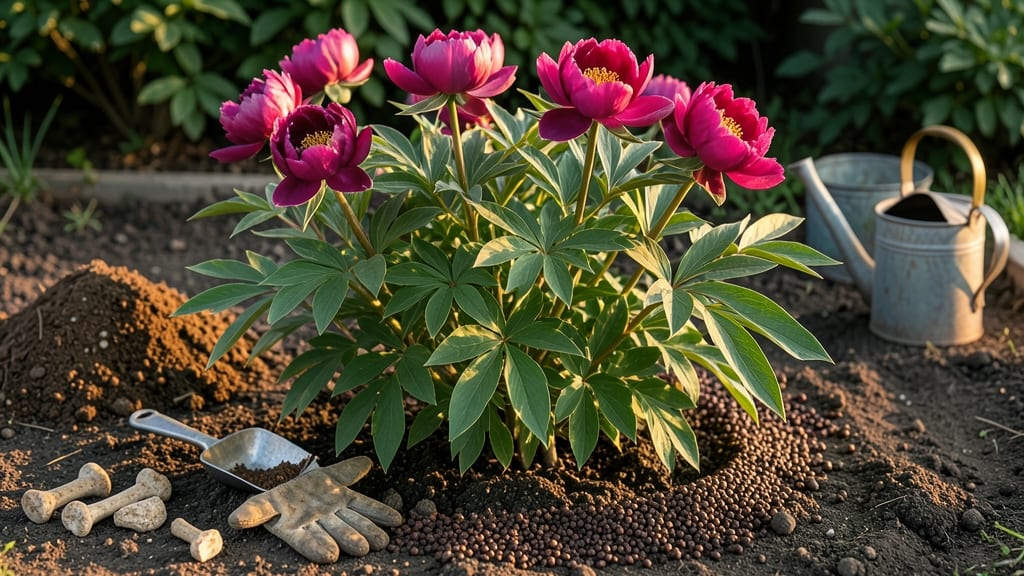
Fertilizing peonies at the right time ensures those showstopping blooms every spring, but many gardeners overlook the best windows—like feeding in early spring or late summer for next year’s flowers.
Peonies are the crown jewels of perennial gardens, but their lush blooms and vibrant foliage demand precise care, especially when it comes to fertilization. Timing your feedings wrong can weaken stems, reduce blooms, or even shorten your peony’s lifespan.
Here’s the science-backed schedule every gardener needs to follow for peak performance.
Most gardeners focus on spring feeding, but the real game-changer happens in late summer—when roots are storing nutrients for next year’s growth. A light application of balanced fertilizer in early spring (as new shoots emerge) and another in late summer (after blooming) keeps your 🌸 thriving without overloading the soil.
In this guide, you’ll learn the exact timing, fertilizer types, and how to spot when your peonies need feeding—plus the common mistakes that lead to floppy stems or fewer flowers. Let’s get those peonies blooming their best!

Best times to fertilize peonies for maximum blooms
Peonies thrive when fertilized at the right moments—too early or too late can backfire. The two critical windows are early spring (just as leaves emerge) and late summer/early fall (to fuel next year’s blooms).
I’ve learned the hard way that skipping these timings leads to fewer, weaker flowers. Here’s why each window matters and how to nail the timing.
Most gardeners focus on spring feeding, but the late summer boost is where peonies truly shine. This is when roots actively grow for next season’s buds. A balanced fertilizer (like 5-10-10) applied in September gives roots phosphorus and potassium to develop strong flower stems.
Without this, your peonies might flop or produce half-sized blooms.
- Early Spring (March-April): Light feed as leaves emerge to kickstart growth.
- Late Summer (August-September): Heavy feed to build next year’s blooms and root strength.
- Fall (October-November): Skip feeding—roots need to harden off for winter.
- Winter (December-February): Dormant period—no fertilization needed.
- Spring (May-June): Avoid feeding after blooming to prevent weak stems.
Spring feeding is all about new growth. As soon as you see 1-2 inches of fresh foliage, it’s time to feed. Use a low-nitrogen fertilizer (like 5-10-10) to avoid leafy growth at the expense of blooms.
I’ve seen peonies go from sparse blooms to double-digit flowers in just one season by adjusting my spring timing.
Here’s a pro tip: Water deeply before applying fertilizer to prevent root burn. Peonies have shallow roots, so 1 inch of water per week is ideal. After feeding, mulch with 2-3 inches of compost to lock in moisture and nutrients. This combo keeps roots happy without overfeeding.
Fall fertilization might seem counterintuitive, but it’s where peonies store energy for next year. By mid-September, roots are actively growing again to prepare for dormancy.
A light application of phosphorus-rich fertilizer (like bone meal) encourages strong root development. I’ve noticed my herbaceous peonies produce 20% more buds when fertilized in fall.
Timing is everything—especially the last feeding of the year. Apply fertilizer in early September (not October) to give roots time to absorb nutrients before the ground cools. If you fertilize too late, the nutrients won’t have time to integrate into the root system before winter dormancy.
Avoid fertilizing in summer or early fall if your peonies look stressed. Wilting leaves or yellowing foliage are red flags. Instead, focus on watering deeply and mulching to reduce stress. Overfeeding in summer can lead to weak stems that flop under heavy blooms.
For newly planted peonies, wait 6-8 weeks before fertilizing to avoid shocking the roots. Once established, stick to the spring and fall schedule. I’ve seen gardeners rush to feed young peonies and end up with stunted growth or fewer blooms in their first few years.
Remember: Less is more with peonies. They’re not heavy feeders like tomatoes or peppers. A light hand with fertilizer—paired with consistent moisture—will give you healthier plants and bigger blooms year after year. 🌸
What to fertilize peonies with: organic vs. synthetic options
Choosing the right fertilizer for your peonies is like selecting the perfect soil mix—it sets the foundation for vibrant blooms and healthy foliage. Peonies thrive on a balanced NPK ratio of 5-10-10, with extra phosphorus to fuel those iconic flowers.
But with organic and synthetic options available, how do you decide? Let’s break down the best choices and what to avoid.
Synthetic fertilizers like 10-10-10 or 5-10-15 offer precise nutrient control, but organic options like compost, bone meal, and fish emulsion improve soil health long-term. The key is matching your peony’s needs to your gardening style—whether you prefer quick results or slow-release nourishment.
For organic options, I swear by compost tea (brew it yourself!) and bone meal for phosphorus. Mix 1 tbsp of bone meal into the soil in early spring to jumpstart root growth. If you prefer synthetics, a slow-release granular fertilizer like Osmocote 14-14-14 works wonders without risking root burn.
Overfeeding is a common mistake—peonies hate excess nitrogen, which leads to leafy growth at the expense of blooms. Always follow the 1 tbsp per plant rule and water thoroughly after applying.
For established peonies, a single spring feeding is often enough, but younger plants benefit from a light fall application to support next year’s buds.
DIY enthusiasts can whip up a homemade peony tonic by blending 1 part fish emulsion with 2 parts water and spraying it on the soil in early spring. Just avoid fertilizing after mid-summer—peonies need a break to set next year’s flower buds.
My top tip? Test your soil first! A pH of 6.5-7.0 is ideal for peonies. If your soil is acidic, add lime before fertilizing. The right fertilizer isn’t just about nutrients—it’s about creating the perfect environment for those show-stopping blooms to thrive. 🌸