
Plants
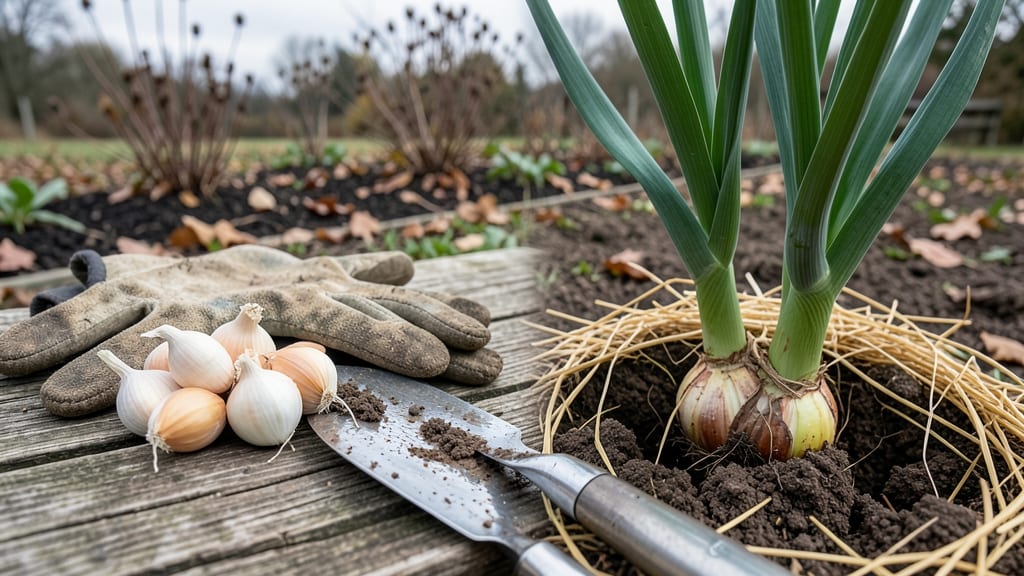
Planting garlic in North Carolina in the fall ensures a robust harvest by leveraging the region's 7a-8b climate, where October and November are the magic months for hardneck varieties.
Garlic lovers in North Carolina know timing is everything—plant too early, and your crop suffers; too late, and winter’s harsh bite ruins your harvest. But mastering the perfect fall planting window can turn your garden into a flavor-packed success story.
This is your chance to grow bold, flavorful bulbs that thrive through winter’s chill, provided you plant 4-6 weeks before the ground freezes—usually by mid-October in most zones. The key? Soil that’s cool but not frozen, and cloves nestled just 2 inches deep.
Below, I’ll break down the exact planting dates for your region, soil prep secrets, and how to avoid the three biggest mistakes that kill garlic before harvest. Let’s get those 🧄 cloves in the ground!
Best fall planting windows for garlic in North Carolina by region
North Carolina’s diverse climate means your garlic planting timeline depends heavily on where you live. Whether you’re in the Coastal Plain, Piedmont, or Mountains, getting the timing right ensures your hardneck garlic establishes strong roots before winter’s chill sets in.
The key? Planting 4-6 weeks before the ground freezes—but that window shifts dramatically across the state.
In the Mountains (USDA Zones 6a-7a), like Asheville or Boone, you’ll want to plant garlic cloves by mid-October at the latest. The soil cools faster here, and frost can arrive as early as late October.
Meanwhile, in the Piedmont (Zones 7a-7b), including Raleigh and Greensboro, you’ve got until early November to get your cloves in the ground.
The Coastal Plain (Zones 8a-8b), from Wilmington to Fayetteville, offers the most flexibility. Here, you can plant garlic through mid-November thanks to milder winters. However, planting too late risks poor root establishment before winter dormancy begins. Always aim for soil temperatures below 50°F but not yet frozen.
Here’s how to match your region’s planting window with local frost data:
For hardneck garlic, which is best suited for North Carolina’s climate, the goal is to plant when daytime temperatures hover around 60-70°F but nights are cooling. This balance lets cloves sprout before the ground freezes.
In the Mountains, aim for October 15-31, while the Piedmont can extend planting until November 15.
In the Coastal Plain, where winters are milder, you can push planting to mid-November, but don’t wait too long. Soil temperatures below 55°F signal it’s time to plant. Use a soil thermometer to check—garlic roots need consistent cool temperatures to establish before dormancy.
Pro tip: If you’re unsure about frost dates, check your local Cooperative Extension Service or use a frost calendar for your specific county. For example, Asheville’s average first frost is October 20, while Wilmington’s is November 15.
Adjust your planting date accordingly to avoid planting too early or too late.
Once planted, mulch with 2-3 inches of straw to insulate the soil and protect cloves from temperature swings. This is especially critical in the Mountains, where winter temperatures can drop below freezing sooner. In milder Coastal Plain zones, mulch still helps retain moisture and suppress weeds.
Remember, garlic planted in fall will produce the largest bulbs. Spring planting is possible but yields smaller cloves. For hardneck varieties like ‘Music’ or ‘Chesnok Red’, which thrive in NC’s climate, stick to the fall window. These varieties also produce scape shoots in summer, adding another harvest bonus!
If you miss the fall window, don’t despair—you can still plant garlic in early spring, but bulbs will mature later and may not reach full size. For the best results, mark your calendar now and plant garlic when the days are warm but nights are cool.
Your future harvest—and your taste buds—will thank you.
How to prepare your North Carolina soil for garlic planting
North Carolina’s clay-heavy soils and humid climate can challenge garlic growers, but with the right prep, you’ll create the perfect bed for bold, flavorful bulbs. The key is starting 6-8 weeks before planting—typically by early September—to give your soil time to transform from dense to loose and nutrient-rich.
First, test your soil’s pH level using a home kit or send a sample to the NC Department of Agriculture. Garlic thrives in 6.0-7.0 pH, and NC’s natural acidity often needs adjustment.
If your soil tests below 6.0, add lime (follow package rates) 2-3 months before planting to avoid overcorrecting.
- 🌱 Step 1: Test soil pH (aim for 6.0-7.0)
- 🌱 Step 2: Add 2-3 inches of compost or well-rotted manure
- 🌱 Step 3: Mix in sand or perlite for clay-heavy soils (25% by volume)
- 🌱 Step 4: Rake to 2 inches deep for even planting
- 🌱 Step 5: Apply mulch (straw or leaves) after planting
North Carolina’s clay soils can become compacted, stifling root growth. Break up the top 6 inches with a broadfork or tiller, then mix in 2-3 inches of compost or well-rotted manure. For extra drainage, blend in sand or perlite (25% of the mix) to prevent waterlogging during NC’s rainy winters.
Drainage is non-negotiable—garlic hates soggy roots. If your garden sits in a low spot, create raised beds (8-12 inches high) or mound soil into ridges. In clay-heavy areas, dig a 1-inch sand layer at the bottom of your planting holes before placing cloves.
Timing your soil prep is critical. Aim to finish amendments by mid-September so they settle before planting. A quick check: your soil should feel crumbly and moist (like a wrung-out sponge) when you squeeze it. If it sticks together, add more organic matter.
Finally, cover your prepared bed with 2-3 inches of straw or leaves after planting to insulate roots during winter. This mulch also suppresses weeds and retains moisture—critical for garlic’s dormant but active root growth under NC’s frost.