
Plants
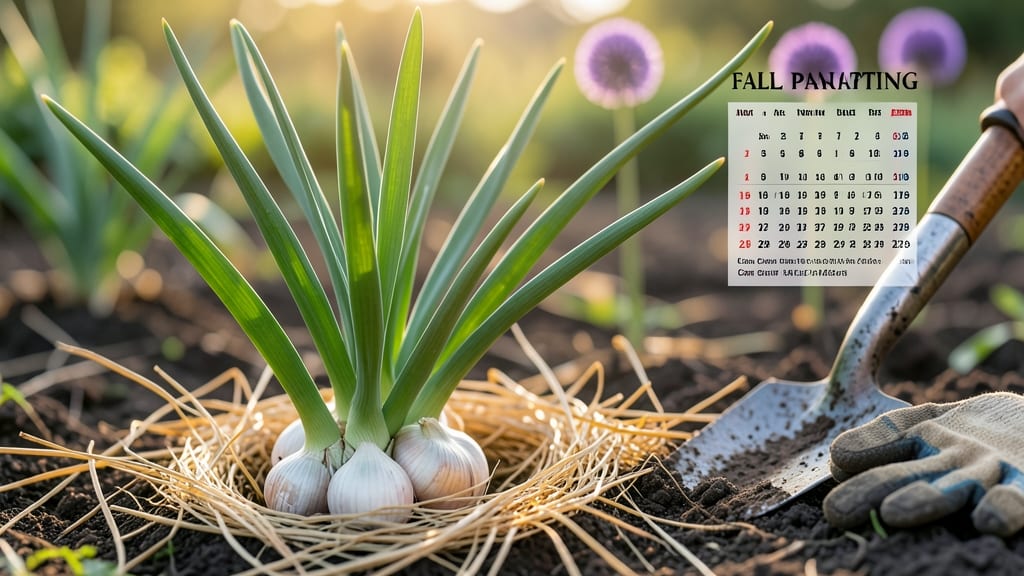
Planting garlic in Oregon between October and early November ensures your 🧄 thrives in the mild winters of zones 7b-9a, but timing isn’t one-size-fits-all—especially when hardneck and softneck varieties have different needs.
Miss the window, and you’ll either deal with premature sprouting in spring or weak bulbs that never fully mature. Oregon’s microclimates—from the Willamette Valley’s damp chill to Eastern Oregon’s crisp air—mean your neighbors’ perfect harvest might not match yours.
Here’s the breakdown: hardneck garlic (the kind with scapes) needs cold exposure to form bulbs, while softneck varieties are more forgiving. We’ll cover the exact months for each type, soil prep secrets, and how to adjust for rain delays that can turn your garden into a mud pit.
By the end, you’ll know not just when to plant, but how to maximize yields—whether you’re in Portland, Medford, or the high desert—so your garlic harvest outshines everyone else’s.
Best planting months for Oregon garlic by region (hardneck vs softneck breakdown)
Oregon’s diverse climate zones mean your garlic planting timeline should match your specific region. The Willamette Valley, Eastern Oregon, and coastal areas all have unique frost patterns that dictate when to plant.
For most of Oregon, October is ideal, but coastal areas can extend planting into early November. The key is planting 4-6 weeks before the ground freezes—this gives roots time to establish before winter dormancy.
Hardneck and softneck garlic have different cold requirements, which affects planting windows. Hardneck varieties (like German White or Purple Stripe) need cold vernalization to form bulbs, while softneck varieties (like Artichoke or Silverskin) are more flexible but still benefit from winter chill.
In Oregon’s mild winters, timing is critical to avoid premature sprouting or poor bulb development.
Comparison Table: Oregon Garlic Planting by Region
In the Willamette Valley, where winters are mild but still cold enough for hardnecks, aim for mid-October planting. This region’s USDA Zone 8 climate allows for a longer window, but planting too early can lead to premature sprouting before the ground cools.
For softnecks, you can push planting into early November, as they’re less sensitive to cold.
Eastern Oregon’s colder winters (USDA Zones 6-7) demand earlier planting. Hardnecks should go in by mid-October to ensure they experience enough cold for bulb formation. Softnecks, while more adaptable, still need to be planted by early October to avoid winter stress.
The drier climate here also means you’ll need to mulch heavily to retain moisture.
Coastal Oregon’s milder, wetter winters create a unique challenge. The extended planting window (up to early December) is a bonus, but the risk of soil saturation and fungal diseases increases. Hardnecks should still go in by late October, while softnecks can handle the wetter conditions better.
If planting in December, use raised beds or containers to improve drainage.
Timing isn’t just about the month—it’s about soil temperature. Aim for 50-60°F soil temps when planting. Use a soil thermometer to check, especially in coastal areas where ground temperatures lag behind air temps.
If your soil is too warm, your garlic may sprout too early and become vulnerable to rot or pests.
Another critical factor is daylength. Oregon’s shorter winter days signal garlic to bulb up. Planting too late (after late November) can result in smaller bulbs or poor flavor development.
For hardnecks, this also delays scape production—those curly stems that appear in spring and can be harvested for extra flavor.
Pro tip: If you’re unsure about your frost dates, check the Oregon State University Extension Service or local weather stations. They provide hyper-local frost predictions that can save your crop. For example, Medford’s first frost often hits by late October, while Portland’s can linger until mid-November.
Remember, hardnecks are your best bet for Oregon’s climate—they produce larger bulbs and harder necks (the stem that separates cloves), making them ideal for braiding and storage. Softnecks, while easier to grow, are better suited for milder coastal areas or if you prefer longer storage life.
How to adjust planting time for hardneck vs softneck garlic in Oregon’s climate
Oregon’s mild winters and variable frost dates mean hardneck and softneck garlic need different planting strategies. Hardnecks thrive with cold stratification, while softnecks tolerate warmer winters.
Misjudging timing can lead to premature sprouting or poor bulb formation, so let’s break down the key adjustments for Oregon’s USDA zones 7b-9a.
Hardneck varieties like ‘German White’ or ‘Music’ require 4-6 weeks of cold (below 40°F) to form bulbs. Plant them 6-8 weeks before your first hard frost—typically mid-October to early November in most of Oregon.
Softnecks like ‘Artichoke’ or ‘Silverskin’ can handle milder winters and often do well planted until late November, but they won’t develop hardnecks’ signature scapes.
Hardneck vs Softneck Planting Adjustments
- Plant 6-8 weeks before frost
- Needs 40°F+ cold for bulb formation
- Harvest scapes in June for extra yield
- Best for Willamette Valley, Eastern OR
- Plant until late November
- Tolerates warmer winters (coastal OR)
- No scapes; focuses on bulb storage
- Best for coastal, milder zones
One common mistake is planting hardnecks too late, which delays cold exposure and weakens bulb formation. If you’re in Eastern Oregon (e.g., Bend), aim for early October planting—earlier than coastal areas like Astoria, where late October to November works better due to milder winters.
Use a soil thermometer to confirm 50-60°F soil temps before planting; this ensures roots establish before winter.
Softnecks, meanwhile, can handle warmer soils and often do well when planted after hardnecks. However, they won’t develop the bold, papery wrappers of hardnecks, so if you love long-storage garlic, prioritize hardnecks.
For scape production, hardnecks are non-negotiable—softnecks won’t give you those flavorful, edible stems that peak in June.
To troubleshoot premature sprouting, avoid planting in overly warm soil (above 60°F). If your garlic starts growing before winter, cover it with mulch or a cold frame to delay sprouting.
For poor bulb development, check your soil pH (6.0-7.0) and ensure well-draining soil—Oregon’s clay-heavy soils in some areas can suffocate roots if not amended with compost or sand.
Remember, Oregon’s microclimates are your ally. In high-desert areas, plant earlier to avoid freeze-thaw cycles that stress garlic. Along the coast, delay planting slightly to avoid excessive winter rain, which can cause rot or fungal issues.
Adjust your timing based on local frost dates and your garlic’s cold requirements—your bulbs will thank you!