
Plants
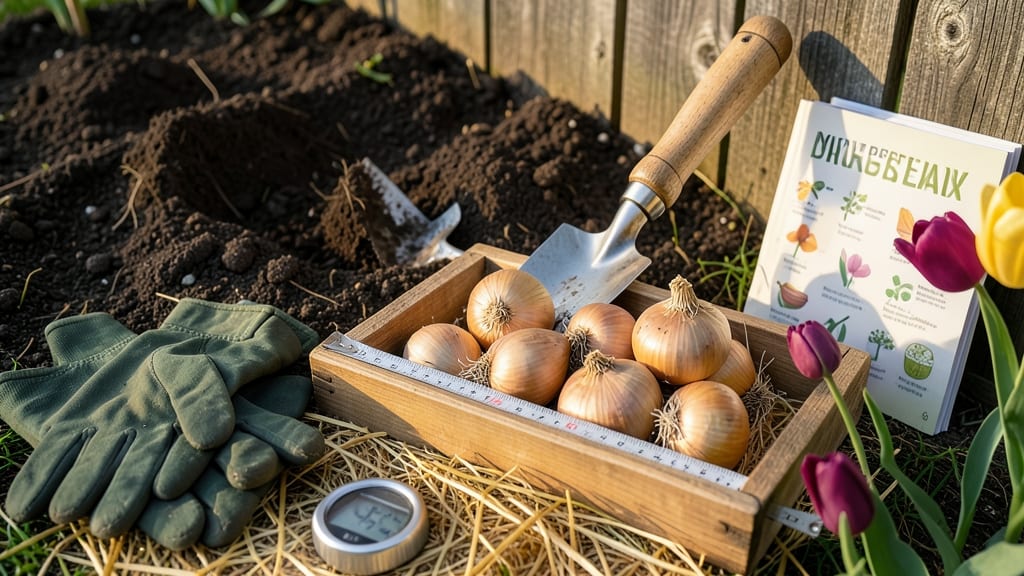
Planting tulip bulbs in Michigan between October and November gives them the perfect head start for next year’s vibrant blooms 🌷—but timing is everything.
Michigan gardeners know timing is everything—plant tulip bulbs too early, and they’ll rot in cold soil; too late, and you’ll miss the frost-free window. Mastering the perfect moment ensures vibrant blooms next spring, not wasted effort.
The key is waiting for soil temperatures to drop to 40–50°F and planting 4–6 weeks before the ground freezes, usually by mid-November. In Zone 5b-6b, this means aiming for early October in northern areas and late October in southern Michigan.
Below, I’ll break down the exact frost dates by region, soil prep tricks for Michigan’s heavy clay, and how to mulch for winter protection—so your tulips wake up strong in spring.
Michigan tulip bulb planting calendar: frost dates & soil temperature rules
Michigan’s Zone 5-6 climate demands precision when planting tulip bulbs—miss the window, and you risk rot from cold soil or weak blooms from late planting. The ideal time falls between October and November, when soil temps hover between 40-50°F.
This frost-free window ensures bulbs establish roots before winter dormancy, setting the stage for vibrant spring blooms.
Understanding your local frost dates is critical. In Detroit, the first hard frost typically arrives by mid-October, while Traverse City sees it slightly later, around late October.
Grand Rapids falls in between. Planting 4-6 weeks before ground freezes gives bulbs time to root without rotting in soggy soil—a common Michigan challenge.
Soil temperature is your best planting guide. Use a soil thermometer to confirm temps between 40-50°F before planting. In northern Michigan (Zone 5), aim for early October; in southern Michigan (Zone 6), wait until late October.
Warmer soil speeds root growth, but too-warm soil can trigger premature sprouting.
Here’s your Michigan tulip planting calendar broken down by region and soil conditions:
| Region | USDA Zone | Ideal Planting Window | Soil Temp (°F) | Last Chance |
|---|---|---|---|---|
| Detroit | 6a-6b | Late October - Early November | 45-50°F | Mid-November |
| Grand Rapids | 5b-6a | Early October - Late October | 40-45°F | Early November |
| Traverse City | 5a-5b | Mid-September - Early October | 38-42°F | Mid-October |
| Northern MI (e.g., Marquette) | 4b-5a | Late August - Mid-September | 35-40°F | Early October |
Adjust for early/late winters by monitoring weather forecasts. If your area experiences an unusually warm fall, plant bulbs slightly earlier to avoid soil warming too quickly. Conversely, if frost arrives earlier than expected, prioritize planting in well-draining soil to prevent bulb rot.
Michigan’s rocky soil can complicate planting. Amend beds with compost or sand to improve drainage, especially in heavy clay areas. Raised beds are ideal for northern regions, as they warm faster in spring and drain better after heavy rains—a common issue in Michigan’s wet springs.
Don’t wait until December to plant! While some bulbs may survive, they won’t establish strong roots before winter. Late plantings often result in smaller blooms or no flowers at all. If you miss the window, consider container planting—pots can be moved to a garage or cold frame until spring.
After planting, mulch heavily (3-4 inches) with straw or shredded leaves to insulate bulbs and retain moisture. This is especially important in Zone 5, where winters are harsher. Remove mulch in early spring to allow sunlight to reach emerging shoots.
Pro tip: Label your bulbs if planting a mix of varieties. Michigan’s short growing season means you’ll want to track which tulips bloom first—Darwin Hybrids often emerge earliest, while Parrot tulips may lag until late spring.
Step-by-step guide: how to plant tulip bulbs in Michigan’s climate
Michigan’s rocky, clay-heavy soil and unpredictable winters demand extra care when planting tulip bulbs 🌷. The key is preparing the soil properly, spacing bulbs correctly, and protecting them from hungry critters. I’ll walk you through each step—plus how to troubleshoot Michigan’s unique challenges—so your tulips thrive next spring.
Start by testing your soil’s drainage and pH. Michigan’s heavy clay can trap moisture, causing bulbs to rot. Amend the soil with compost or sand to improve drainage, and aim for a pH of 6.0–7.0.
If your yard is rocky, plant in raised beds or containers instead—tulips need 6–8 inches of loose soil to settle properly.
📋 Step-by-Step Planting Guide for Michigan Tulips
- 🌡️ Wait for soil temps: Plant when daytime temps are 50–60°F and nighttime temps drop to 40°F (usually mid-October to early November in Michigan).
- 🛠️ Dig holes: Use a trowel or bulb planter to create holes 6–8 inches deep and 4–6 inches apart (closer for dwarf varieties).
- 🌱 Place bulbs: Position bulbs pointy end up, 3–4 inches apart in rows. Avoid overcrowding—tulips need room to grow.
- 💧 Add fertilizer: Mix 1 tbsp of 10-10-10 fertilizer into the bottom of each hole to give roots a nutrient boost before winter.
- 🌿 Cover and mulch: Backfill holes with soil, then add 2–3 inches of mulch (straw or shredded leaves) to insulate bulbs from freezing temps.
- 🦌 Protect from pests: Scatter deer repellent granules or use chicken wire cages if squirrels or rabbits are a problem in your area.
- 📝 Label your bulbs: Use biodegradable markers to track varieties—Michigan’s harsh winters can make identification tricky next spring!
For rocky soil, consider planting tulips in raised beds or containers filled with a mix of potting soil and compost. This gives roots the loose, well-draining environment they crave.
If you’re planting in containers, choose pots with drainage holes and bury bulbs at the same 6–8 inch depth as in-ground plantings.
After planting, water deeply but infrequently—tulips need moisture to establish roots, but soggy soil invites rot. Once the ground freezes, reduce watering entirely. In spring, resume watering when shoots emerge, keeping the soil consistently moist until blooms fade. Never let the soil dry out completely during active growth.
To maximize blooms next year, leave foliage until it yellows—this feeds the bulb for future growth. Cut stems at the base once leaves turn brown, but avoid disturbing the bulbs themselves. With proper care, your Michigan tulips will reward you with bold, vibrant blooms for years to come! 🌸