
Plants
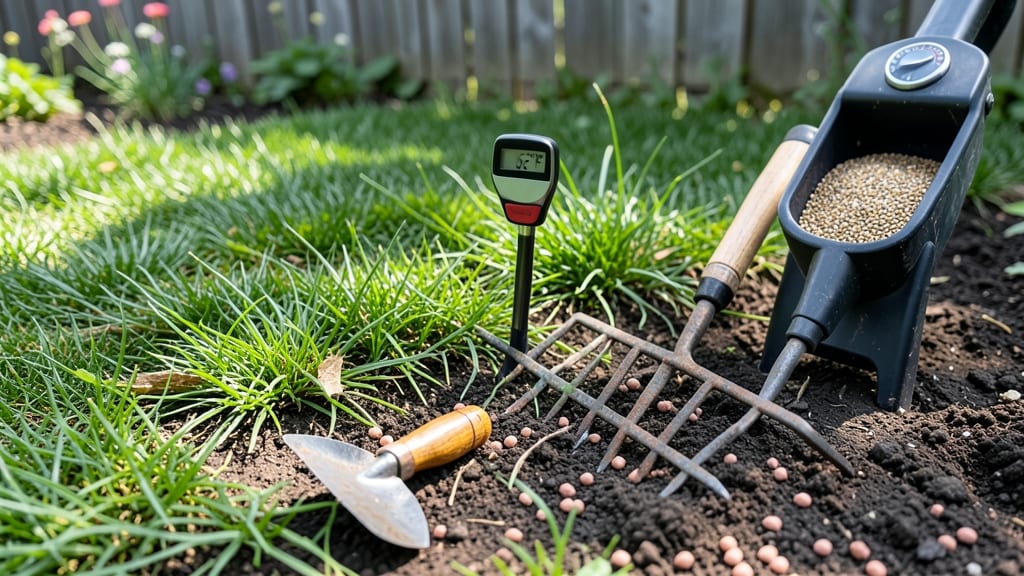
Planting grass in Ohio’s 6a zone at the right time means the difference between lush, fast-growing turf and a patchy, struggling yard.
Ohio’s unpredictable spring weather can turn a perfect grass-planting window into a muddy mess—unless you know the exact timing for your microclimate. Plant too early, and frost will kill seedlings; too late, and summer heat stunts root growth.
Most gardeners in Ohio aim for early spring or fall, but the best window depends on your region—whether you’re in Cleveland’s cooler north or Cincinnati’s warmer south. I’ll break down the ideal months, soil prep tips, and how to avoid common mistakes that waste time and money.
By the end, you’ll know exactly when to plant for fast root establishment, which grass types thrive in Ohio’s climate, and how to adjust for urban heat islands or clay-heavy soil. Let’s get started.
Ohio’s grass planting zones: when to plant by microclimate (north vs south vs urban heat islands)
Ohio’s diverse geography means your grass planting timeline can vary by hundreds of miles—and even within your own city. Northern Ohio’s cooler microclimates (like Cleveland) often wait until late April, while Southern Ohio (Cincinnati) can start as early as mid-March.
Urban heat islands in Columbus or Toledo may even push planting into early May due to delayed soil warming.
Your best bet? Plant when soil temperatures hit 50–60°F at a 4-inch depth. This threshold ensures root establishment before summer heat stress. Use a soil thermometer—don’t guess!—and aim for a 6-week window before the last frost date in your area.
| Region | Optimal Planting Window | Soil Temp Threshold | Last Frost Date | Key Microclimate Note |
|---|---|---|---|---|
| Northern Ohio (Cleveland, Toledo) | Late April – Early May | 50–60°F (4" depth) | April 15–May 1 | Wait for consistent 50°F nights |
| Southern Ohio (Cincinnati, Dayton) | Mid-March – Late April | 50–60°F (4" depth) | March 20–April 10 | Start early but cover seed if frost threatens |
| Urban Heat Islands (Columbus, Akron) | Early April – Early May | 55–60°F (4" depth) | April 1–April 15 | Soil warms 2–3 weeks earlier than rural areas |
| Fall Planting (All Regions) | September 1–October 15 | 60–70°F (4" depth) | N/A (No frost risk) | Avoid planting after October 15—roots won’t establish before freeze |
For Northern Ohio, like Cleveland or Toledo, patience is key. The average last frost date hovers around April 15, but don’t rush—soil in these areas can stay below 50°F until late April.
I’ve seen seedlings freeze when planted in early April, even with protective blankets. Use a soil thermometer to confirm readiness.
Southern Ohio, including Cincinnati and Dayton, enjoys warmer microclimates, letting you plant as early as mid-March. However, frost pockets in valleys can still threaten seedlings. If you plant early, cover seed with straw mulch (1/4 inch thick) to insulate against late frosts.
This region’s earlier window means faster germination, but don’t skip soil prep—clay-heavy soils here need extra tilling.
Urban heat islands, like Columbus or Akron, create their own microclimates. Pavement and buildings trap heat, warming soil 2–3 weeks earlier than rural areas. This means you can plant 2 weeks ahead of the general timeline, but watch for drought stress—urban soils dry out faster.
Water deeply 2–3 times per week until roots establish.
Fall planting in Ohio offers a second chance for lush grass. Aim for September 1–October 15, when soil stays above 60°F during the day but cools at night.
This 6-week window gives seedlings time to root before winter. Avoid planting after October 15—roots won’t harden before the first frost, leaving your lawn vulnerable to winterkill.
Pro tip: Use cool-season grasses like Kentucky Bluegrass or Tall Fescue for fall planting—they thrive in Ohio’s moderate winters. Warm-season grasses like Bermuda won’t establish until soil hits 70°F, which is too late for Ohio’s short growing season. Stick to cool-season varieties for reliable results.
To track your local frost dates and soil temps, bookmark the Ohio State University Extension’s frost map (extension.osu.edu). It’s updated annually and includes urban heat island adjustments for major cities. For a quick reference
5 Signs your Ohio soil is ready for grass seed (beyond the calendar)
Counting on Ohio’s calendar dates alone can leave your grass seed struggling. Instead, focus on soil conditions that guarantee strong root growth. The ideal window isn’t just about months—it’s about temperature, moisture, and weed competition.
I’ve planted grass in Ohio’s clay-heavy soils and sandy patches, and these 5 signs will help you avoid the most common mistakes.
First, grab a soil thermometer—this is your most reliable tool. Grass seed germinates best when soil temperatures stay between 50°F and 60°F for at least 5 days in a row.
In northern Ohio, this typically means waiting until mid-April, while southern Ohio can start as early as late March. Pro tip: Check temperatures at 4-inch depth, not just the surface.
🌱
- 1
- 2
- 3
- 4
- 5
50°F–60°F for 5+ days
1–2 inches of damp soil
<70% ground cover
Add 2–3 inches of compost
3-1-2 ratio applied 2 weeks pre-plant
Next, perform the moisture depth test. Dig a 2-inch hole and check if the soil feels damp but not soggy. Sandy soils dry out faster, so you may need to water daily after planting, while clay soils can stay too wet—amend them with compost or sand if needed.
I once planted in heavy clay without amending, and my grass took 3 weeks longer to establish.
Weed pressure is another critical factor. If weeds cover 70% of your lawn area, they’ll outcompete your grass seedlings. Use a broadleaf herbicide 2 weeks before planting, or hand-pull weeds to reduce competition. In my experience, dandelions and crabgrass are the biggest culprits in Ohio yards.
For pre-planting prep, till the soil to a 3-inch depth to loosen compacted layers. This is especially important in urban heat islands where soil can bake hard. After tilling, apply a 3-1-2 fertilizer ratio (like 16-4-8) to provide phosphorus for root growth and nitrogen for early green-up.
Spread it evenly and water lightly to activate the granules.
Finally, monitor for even moisture after planting. Use a sprinkler with a rain gauge to deliver ¼ inch of water daily for the first 2 weeks. Overwatering can wash away seed, while underwatering causes crusting that blocks germination.
My first attempt at grass seeding failed because I used a hose-end sprayer that didn’t distribute water evenly—switch to a gentle misting system instead.
✂️