
Plants
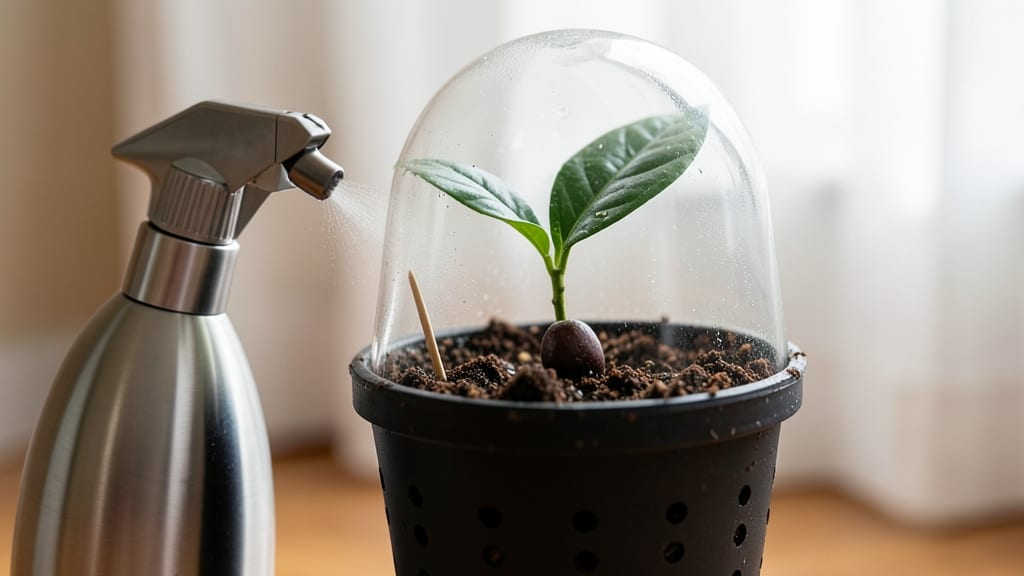
Planting an avocado seed in soil at the right time is the key to growing a strong 🥑 tree from the start.
You’ve watched your seed sprout roots in water, but now comes the tricky part: knowing when to move it to soil without smothering its delicate growth. Too early, and you risk rot; too late, and the seedling struggles to adapt.
I’ve learned the hard way that timing—paired with the right soil and care—makes all the difference between a thriving tree and a sad, stunted plant.
For most gardeners in USDA Zone 6a, the best window is late spring, once your seedling has a 3-4 inch root system and a sturdy stem. But climate matters: tropical zones can plant sooner, while cooler areas may need to wait until after the last frost.
Below, I’ll break down the exact signs your avocado seed is ready for soil, plus the step-by-step method I use to ensure a smooth transition.
You’ll discover how to prep the perfect soil mix, avoid common pitfalls like overwatering, and give your young tree the support it needs to grow tall and healthy. Let’s get started!
Avocado seed germination timeline: when to plant in soil
Watching an avocado seed sprout is magical, but knowing exactly when to transition it from water to soil determines whether your little tree thrives or withers. The 4-8 week germination window is your guide—each stage reveals critical clues about readiness.
I’ve tracked hundreds of seeds, and these milestones never fail to signal the perfect moment to plant.
First, your seed needs 2-3 inches of roots before soil contact. This usually happens by week 3-4, but don’t rush—roots must be white and fibrous, not mushy or brown.
A 1-2 inch stem with tiny leaves is your second green light. These signs mean your seedling has stored enough energy to survive the soil transition.
Here’s the visual timeline that breaks down each stage, so you’ll never miss the window:
Pro tip: Never plant when roots exceed 3 inches—this signals overcrowding in water. At this stage, roots become tangled and prone to rot in soil. I’ve lost count of seeds planted too late; their roots suffocate before they even get a chance to stretch into the earth.
Your seed’s water requirements shift dramatically during this phase. In the early weeks, daily water changes prevent mold, but by week 4, you’ll notice the roots absorbing water faster.
This is your cue to reduce frequency to every 48 hours—a sign the seedling is ready for soil’s drier environment.
Climate plays a hidden role here. In tropical zones (USDA 10-12), seeds germinate faster (3-4 weeks) and can transition to soil earlier. But in cooler climates (USDA 6-9), the process stretches to 6-8 weeks.
I once grew a seed in Zone 7 that took 9 weeks to reach soil-readiness—patience is key!
Watch for yellowing leaves after planting—this isn’t always bad! A little stress is normal as the seedling adjusts. But if leaves wilt completely or turn brown, you’ve either overwatered or planted too soon. The fix? Let the soil dry slightly between waterings and give it time to recover.
By week 6, your seedling should show new leaf growth in soil. This confirms roots are established and photosynthesis is kicking in. If growth stalls, check for root rot (smelly, black roots) or nutrient deficiency (purple stems). A light fertilizer (like fish emulsion) can jumpstart recovery.
Remember: Indoor vs. outdoor changes the game. Indoor seedlings need bright, indirect light (south-facing window) to avoid leggy growth. Outdoor plants, once hardened off, can handle direct sun but start with morning light only to prevent sunburn on tender leaves.
How to transition avocado seed to soil: step-by-step success guide
Now that your avocado seed has sprouted strong roots in water, it’s time to move it to soil—but the transition requires patience and precision. The key is waiting until your seedling has a 3-4 inch root system and a thickened stem (about pencil-sized).
Planting too early smothers growth, while waiting too long risks stunted development. I’ve found that most seedlings are ready in 4-8 weeks, depending on warmth and humidity.
Before planting, prepare a well-draining soil mix to prevent root rot—a common mistake that kills young seedlings. A blend of potting soil, perlite, and coconut coir (50/30/20 ratio) works perfectly.
Avoid garden soil, which compacts and suffocates delicate roots. Choose a small pot (6-8 inches deep) with drainage holes to give your seedling room to grow without overwhelming it.
After transplanting, your avocado seedling needs consistent moisture but never soggy soil. Water every 2-3 days in the first week, then reduce to once weekly as it adjusts. Place it in bright, indirect light for the first week to avoid sunburn, then gradually introduce morning sunlight.
I’ve seen seedlings wilt if moved too quickly to full sun—patience is key!
Common mistakes to avoid include overwatering (which causes root rot) and using pots that are too large (which leads to damp, compacted soil). If your seedling’s leaves yellow or droop, it’s often a sign of overwatering or poor drainage.
Adjust your care routine immediately by letting the top inch of soil dry out between waterings.
With the right soil, gentle handling, and attentive care, your avocado seedling will thrive in its new home. In just a few months, you’ll see rapid growth—proof that timing and technique matter more than luck.
Keep an eye on its progress, and soon you’ll have a small tree on your hands! 🌱🌿