
Plants
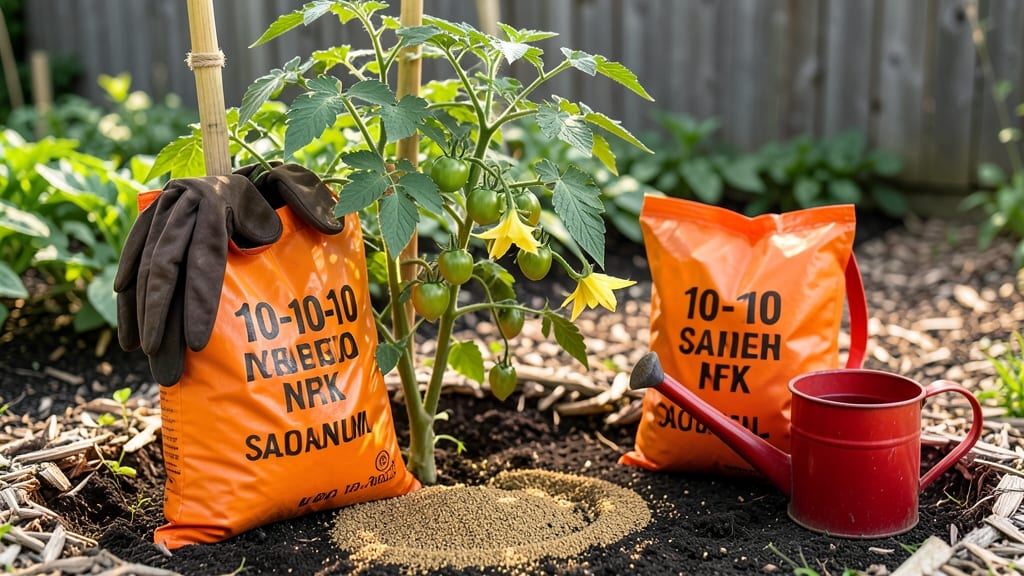
Fertilizing your tomato plants at the right time—from transplanting through fruiting—is the key to a bountiful harvest 🍅, but many gardeners over- or underfeed, wasting time and resources.
Timing your tomato plant fertilization perfectly can mean the difference between a meager harvest and a bounty of juicy, flavorful tomatoes—so when exactly should you feed them?
Most gardeners make the mistake of fertilizing too early or too late, which stunts growth or stresses the plant just as it’s setting fruit. The truth? Your tomatoes need a balanced approach tied to their growth stages, not just a one-size-fits-all schedule.
In this guide, I’ll break down the optimal fertilization windows for each phase—from seedling to harvest—plus how to spot signs of over- or underfeeding so you can adjust on the fly.

Tomato plant fertilization schedule by growth stage: what to feed and when
Fertilizing your tomato plants at the right time is like giving them a perfectly timed energy boost—too early or too late, and you’ll miss out on that juicy, flavorful harvest you’re dreaming of.
The key lies in understanding how your plants’ nutrient needs shift as they grow from tiny seedlings to heavy fruit producers. Each stage demands a different N-P-K ratio and feeding frequency, and ignoring these shifts can lead to stunted growth or poor fruit set.
For example, young seedlings need low-nitrogen fertilizer to avoid leggy growth, while flowering plants crave high-phosphorus blends to support blossoms. Meanwhile, fruiting tomatoes benefit from a balanced or potassium-rich feed to prevent blossom-end rot.
Without this stage-specific approach, you might waste fertilizer—or worse, harm your plants by overfeeding at the wrong time.
Let’s break down the perfect fertilization timeline for tomatoes, from seedling to harvest, including organic and synthetic options tailored to each growth phase. This schedule ensures your plants get exactly what they need, when they need it, for maximum yield and flavor.
| Growth Stage | Fertilizer Type | N-P-K Ratio | When to Apply | Frequency |
|---|---|---|---|---|
| Seedling (1-2 weeks after transplant) | Balanced or low-nitrogen | 3-4-6 or 5-5-5 | After transplanting | Once |
| Vegetative Growth (2-4 weeks after transplant) | Balanced organic (compost, fish emulsion) | 5-5-5 or 10-10-10 | When first true leaves appear | Every 3-4 weeks |
| Flowering Stage (4-6 weeks after transplant) | High-phosphorus (bone meal, 5-10-10) | 5-10-5 or 10-20-10 | When first flowers appear | Every 2-3 weeks |
| Fruiting Stage (6+ weeks after transplant) | Balanced or potassium-rich (kelp meal, 10-10-20) | 5-5-10 or 10-10-10 | When fruit sets | Every 2 weeks |
| Late Season (4-6 weeks before frost) | None (stop fertilizing) | — | — | — |
🌱 Pro Tip: Always water plants before fertilizing to prevent root burn.
During the seedling stage, your tomato plants are focused on establishing roots and leaves, not fruit. A light application of balanced fertilizer (like a 5-5-5 blend) after transplanting gives them a gentle boost without encouraging excessive foliage.
Organic options like compost tea or diluted fish emulsion work well here, providing slow-release nutrients that won’t overwhelm young roots.
As your plants enter the vegetative growth phase (typically 2-4 weeks after transplanting), they’ll start growing taller and bushier. This is when you can increase fertilizer strength slightly, using a 10-10-10 ratio every 3-4 weeks.
Synthetic fertilizers like Miracle-Gro Tomato Food are convenient, but organic alternatives like worm castings or alfalfa meal improve soil health long-term. Avoid high-nitrogen feeds now—too much will delay flowering.
The flowering stage is critical for fruit set, and here’s where phosphorus becomes your best friend. A 5-10-5 or 10-20-10 fertilizer encourages blossom development and prevents blossom drop. Organic choices like bone meal or rock phosphate provide phosphorus naturally.
Apply this fertilizer when you see the first flowers appear, then repeat every 2-3 weeks. Pair it with a light side-dressing of compost to support root growth.
Once your tomatoes start fruiting, shift to a fertilizer with higher potassium to strengthen cell walls and prevent diseases like blossom-end rot. A 10-10-20 or 5-5-10 blend works well, applied every 2 weeks.
Organic options like kelp meal or wood ash (for potassium) are excellent choices. Stop fertilizing entirely 4-6 weeks before your first frost to allow plants to harden off and store nutrients for next year.
If you’re using organic fertilizers, like compost or manure teas, apply them more frequently but at lower concentrations. These break down slowly, so a weekly side-dressing of compost can replace synthetic feeds entirely.
For container-grown tomatoes, reduce fertilizer amounts by half to avoid salt buildup in the soil. Always water deeply after fertilizing to help nutrients penetrate the root zone.
Watch for signs of over-fertilization, like yellowing leaves, stunted growth, or white crust on soil. These indicate you’re feeding too much or too often. On the flip side, pale leaves or slow growth mean your plants need more nutrients. Adjust your schedule based on these cues, and remember
Signs your tomato plants need fertilizer (and when to hold off)
Your tomato plants are the heart of your garden, but they won’t thrive without the right nutrients. Yellowing leaves, stunted growth, or small, underdeveloped fruit are classic signs your plants are hungry—but overdoing it can cause just as many problems.
Learning to read these signals helps you fertilize at the perfect time for maximum yield without burning your plants.
One of the biggest mistakes gardeners make is fertilizing at the wrong time. Early-season feeding is crucial, but over-fertilizing during flowering can actually reduce fruit set. The key is understanding when your plants need a boost and when they’re better off resting.
Let’s break down the warning signs and the best times to hold back.
When Should I Fertilize My Tomato Plants?
Timing is everything! Feed seedlings lightly after transplanting, then switch to a balanced fertilizer when flowers appear. Pause fertilization 4-6 weeks before harvest to let the plant focus on ripening fruit—not new growth.
If your tomato leaves are turning yellow between veins, it’s often a sign of nitrogen deficiency. This nutrient is essential for leafy growth, but too much can lead to leaf burn or blossom-end rot later.
Start with a light application of compost or balanced fertilizer (like 10-10-10) and monitor for improvement within 1-2 weeks.
On the flip side, dark green leaves with purple stems may indicate a phosphorus shortage, which is critical for flowering and fruiting. Switch to a high-phosphorus fertilizer (like 5-10-10) and reduce nitrogen to encourage blooms. Over-fertilizing with nitrogen at this stage can delay fruit production, so balance is key.
Another red flag is stunted growth or weak stems, which could mean your plants aren’t getting enough potassium or micronutrients. Try a liquid fertilizer like fish emulsion or a compost tea to give them a quick nutrient boost.
Just remember: Never fertilize stressed plants—wait until they’ve recovered from pests, disease, or extreme weather.
When it comes to holding off on fertilizer, the golden rule is to stop feeding 4-6 weeks before your first frost.
This gives your plants time to harden off and redirect energy to root and stem growth rather than new leaves. Over-fertilizing late in the season can lead to tender, frost-sensitive growth that won’t survive winter.
Pay attention to your plants’ growth patterns and fruit development—they’ll tell you exactly when to feed and when to pause. With the right timing, you’ll enjoy a healthier harvest and fewer problems down the line. Happy gardening! 🌱