
Planting
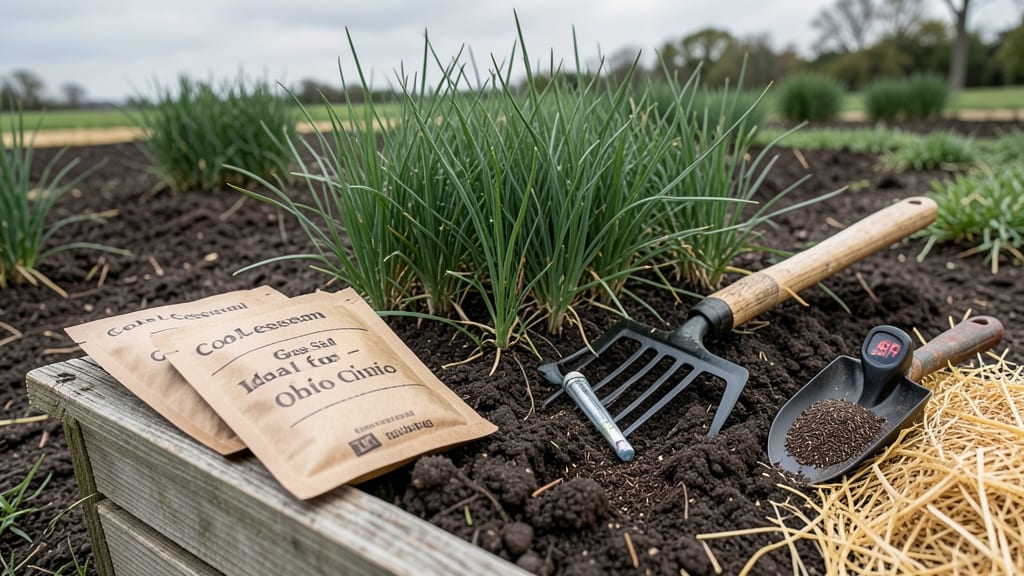
Planting grass seed in Ohio at the right time is the key to a thick, weed-resistant lawn that survives the season.
Ohio’s unpredictable spring rains and scorching summer heat can turn your grass-seeding dreams into a frustrating gamble—but timing it right ensures a lush, weed-resistant lawn that survives the season.
Spring and fall are your best bets, but soil temperature and frost dates make all the difference. In Zone 6a, aim for early April or late September when the ground warms to 60°F and stays there.
Below, I’ll break down the ideal planting windows, soil prep tricks, and how to spot (and fix) common mistakes—so you end up with green grass, not a patchy mess.
Ohio grass seed planting calendar: best months for spring vs fall success
Ohio’s climate—with its variable frost dates and humid summers—makes timing critical for grass seed success. Plant too early, and frost will kill tender sprouts. Too late, and summer heat stresses seedlings.
The key? Soil temperatures between 60°F and 75°F, which Ohio typically hits in early spring (March-April) or early fall (September-October). These windows maximize germination while avoiding extreme weather.
Northern Ohio (USDA Zone 5b-6a) has colder microclimates with later last frosts (around May 1), while southern Ohio (Zone 6b-7a) warms faster, allowing earlier spring planting. Fall planting is often more reliable because cooler temps reduce weed competition and drought stress.
But rushing it too late (after mid-October) risks winter kill before roots establish.
Soil temperature, not air temperature, dictates success. Use a soil thermometer to confirm readiness—60°F+ for cool-season grasses like Kentucky bluegrass and 70°F+ for warm-season types like Bermuda grass. Ohio’s clay-heavy soils also need adequate moisture retention; planting during dry spells (like late summer) often leads to failure.
| Planting Window | Ideal Months | Soil Temp (°F) | Key Risks | Best Grass Types |
|---|---|---|---|---|
| Spring | March–April (North OH) February–March (South OH) |
60–75°F | Late frosts, drought stress, weed competition | Kentucky bluegrass, tall fescue, perennial ryegrass |
| Fall | September–October (North OH) August–September (South OH) |
55–70°F | Early winter freeze, poor root establishment | Tall fescue, fine fescue, creeping red fescue |
| Avoid | May–July, November | >80°F or <60°F | Heat stress, frost damage, weed dominance | None (high failure risk) |
For spring planting, aim for 4–6 weeks before summer heat arrives. In northern Ohio, this means late March to early April; southern Ohio can start as early as February.
Prep soil by aerating in late fall or early spring to improve drainage, then overseed after mowing low (1–1.5 inches). Water daily for 10–15 minutes until germination (7–14 days).
Fall planting offers higher success rates because cooler temps slow weed growth and encourage deep root development. In northern Ohio, September is ideal; southern Ohio can extend to early October.
Seedlings need 6–8 weeks to establish roots before winter, so avoid planting after mid-October. Top-dress with compost to insulate roots and retain moisture.
Ohio’s microclimates matter—urban areas stay warmer than rural zones, while low-lying spots may frost later.
Monitor local frost dates (check the Ohio State University Extension for updates) and adjust planting by 1–2 weeks if needed. Warm-season grasses like Zoysia can handle late spring planting (May), but they struggle with Ohio’s humid summers unless irrigated daily.
Common mistakes include planting when soil is too dry (e.g., late summer) or ignoring shade patterns. Test soil moisture by grabbing a handful—if it crumbles easily, it’s too dry. For shady lawns, choose fine fescue or creeping red fescue, which tolerate 3–4 hours of sun.
Mulch with straw after seeding to retain moisture and protect seedlings from bird damage.
Post-planting care is just as critical as timing. Mow high (3–4 inches) once grass reaches 3 inches to shade soil and reduce weeds. Fertilize lightly (10-10-10) 4–6 weeks after germination to avoid burning tender roots.
In drought-prone areas (common in western Ohio), water deeply 2–3x weekly instead of daily shallow watering.
Remember: Fall planting is your safest bet for Ohio’s climate, but spring can work with careful prep. Start with a soil test (pH 6.0–7.0 is ideal), and don’t rush—patience in the first 3 weeks determines long-term success.
With the right timing, your lawn will outcompete weeds and thrive through Ohio’s hot summers and cold winters. 🌱
How to prepare Ohio soil for grass seed: pre-planting checklist by season
Ohio’s clay-heavy soils can make grass seed germination a challenge, but proper prep transforms your lawn from a struggle to a showstopper. The key? Adjusting your approach based on whether you’re planting in spring or fall.
Spring prep focuses on breaking up compacted soil and adding nutrients, while fall prep leans into organic matter and moisture retention for winter resilience.
Start by testing your soil pH—ideal for grass is between 6.0 and 7.0. Ohio’s clay naturally leans alkaline, so you’ll likely need to add sulfur or peat moss to lower the pH if needed.
This step is non-negotiable: the right pH ensures your grass seed absorbs nutrients efficiently, setting the stage for a thick, weed-resistant lawn.
- 1
- 2
- 3
- 4
- 5
Spring prep demands urgency: once soil warms to 50°F, work quickly to avoid drying out. I’ve seen too many gardeners wait until May only to find their seed drying out before germination.
For fall planting, focus on moisture retention—Ohio’s autumn rains are your ally, but a thick layer of straw mulch (½ inch) after seeding protects tender sprouts from winter winds.
Ohio’s microclimates matter too. Southern Ohio’s warmer springs mean you can start tilling in early March, while northern areas may need to wait until mid-April.
Always check your last frost date (typically April 15 in most of the state) and plant 4–6 weeks before to give seeds time to establish before summer heat hits.
Pro tip: If your soil feels gummy when wet or rock-hard when dry, you’re dealing with classic Ohio clay. Mix in coarse sand or perlite to improve aeration—your grass roots will thank you with deeper, healthier growth.
And remember, patience is key: proper prep now means fewer weeds and more lush grass later.
🌱