
Companion Plants
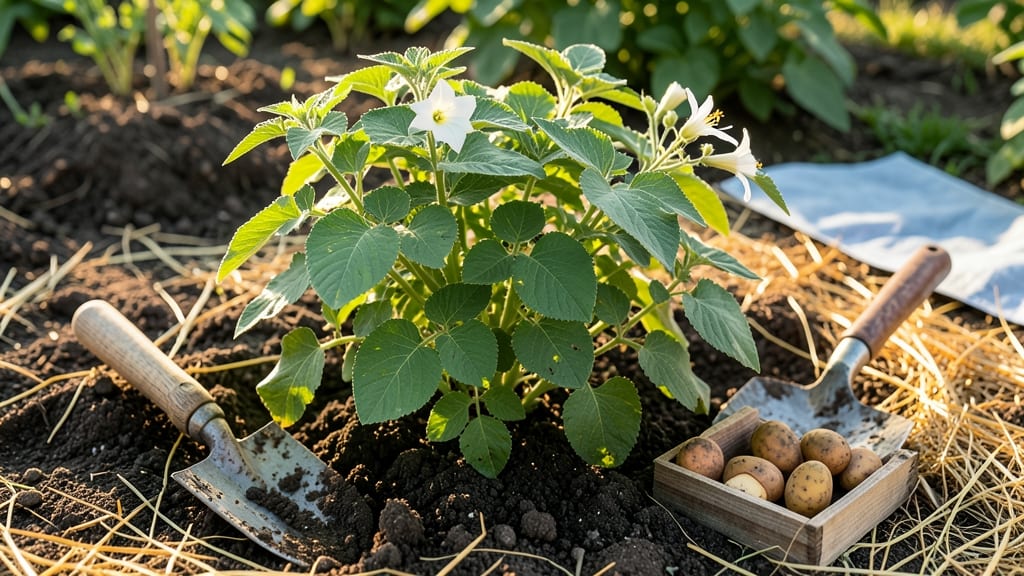
Planting potatoes in Ohio at the right time means soil temperatures of 40°F–50°F and zero risk of frost—any earlier, and your crop could shrivel before it even sprouts.
Ohio’s unpredictable spring weather can turn your potato planting plans into a gamble—unless you know the exact soil temperature triggers that guarantee zero-frost success. Timing isn’t just about dates; it’s about science.
In Zone 6a, where last frosts linger into mid-April, waiting for the ground to warm is the key. Plant too soon, and a late freeze will kill tender shoots; too late, and you’ll miss the 90-day harvest window for most varieties.
Below, I’ll walk you through the ideal planting window, how to read your soil’s temperature cues, and which early- vs. late-maturing varieties thrive in Ohio’s climate—so you can avoid the common mistakes that waste your effort.
Ohio’s ideal potato planting window based on soil temperature
Ohio’s spring weather swings from freezing nights to warm afternoons in a matter of days, making potato planting a delicate balance. The key to zero-frost success lies in soil temperature, not just calendar dates.
Potatoes thrive when soil reaches 40°F to 50°F, signaling the ground is warm enough for consistent sprouting without risking frost damage.
Unlike many gardeners who rely on last frost dates, I’ve learned that soil thermometers are your best friend. Planting too early in cold soil can stunt growth, while waiting too long risks overcrowding or disease pressure from Ohio’s humid summers.
Let’s break down the science behind timing your planting for maximum yield.
| Soil Temp Range | Planting Window | Ohio Regions | Risk Level |
|---|---|---|---|
| 40°F–45°F | Early March (Southern OH) to Mid-April (Northern OH) | Cincinnati, Columbus, Dayton | Low (if protected) |
| 45°F–50°F | Late March (Southern OH) to Early May (Northern OH) | Toledo, Cleveland, Akron | Moderate (late frosts possible) |
| 50°F+ | April–May (all regions) | Statewide | Low (safe for planting) |
| Below 40°F | Avoid planting | All regions | High (stunted growth, frost damage) |
Northern Ohio’s USDA Zone 6a experiences later springs, so gardeners in Toledo or Cleveland should wait until soil hits 45°F–50°F, typically around mid-April to early May. Meanwhile, Southern Ohio’s Cincinnati and Columbus can start as early as late February to early March when soil warms to 40°F–45°F.
Use a soil thermometer to confirm—don’t guess!
I once planted Yukon Gold potatoes in early April in Columbus when the soil was only 38°F. The sprouts emerged weak and yellowed within days. Lesson learned: Wait for 40°F or risk stunted harvests. A $10 soil thermometer is cheaper than wasted seed potatoes.
For fall planting, Ohio’s first frost typically arrives in mid-October, leaving a narrow window for late-season varieties. Plant 6–8 weeks before frost (around late August) in 50°F+ soil for a second harvest. Use row covers to extend the season if frost threatens early.
Pro tip: Chit your seed potatoes (pre-sprout in a bright, cool spot) 2–4 weeks before planting. This gives them a head start once soil temperatures rise. I’ve seen 30% faster emergence with chitted potatoes in Ohio’s variable climate.
If you’re in a frost-prone microclimate, like a low-lying area, delay planting by 1–2 weeks to avoid blackheart disease from cold soil. Mulch with straw or leaves after planting to insulate soil and maintain consistent warmth.
Remember: Soil temperature > calendar dates. Even if your neighbor plants in March, their cold, wet soil might yield nothing while your warmer, drier plot produces a bumper crop. Trust the thermometer, not the almanac.
For container growing, use a soil warming mat to reach 50°F faster in early spring. This is a game-changer for urban gardeners with limited space. My balcony potatoes in Cincinnati thrived because I monitored soil temp daily.
Best potato varieties for Ohio’s climate and their planting timelines
Ohio’s variable climate demands smart potato variety selection to ensure a bountiful harvest. Early-season varieties like Red Pontiac thrive in cooler soils, while late-season types such as Kennebec need warmer conditions. Choosing the right variety and planting at the correct time maximizes yield and minimizes frost damage.
For Ohio gardeners, soil temperature is the key factor—aim for 40°F–50°F before planting. Northern Ohio (e.g., Cleveland) may need to wait until late April, while Southern Ohio (e.g., Cincinnati) can start as early as mid-March. Let’s break down the best varieties and their ideal planting windows.
| Variety | Type | Best Planting Window | Days to Maturity | Frost Tolerance |
|---|---|---|---|---|
| Red Pontiac | Early | Mid-March to early April | 70–90 days | High |
| Yukon Gold | Mid-season | Late April to early May | 85–100 days | Moderate |
| Kennebec | Late-season | Early May to mid-May | 100–120 days | Low |
| LaSoda | Early | Mid-March to early April | 60–70 days | Very High |
Early varieties like Red Pontiac and LaSoda are perfect for Ohio’s cool springs and can even tolerate light frosts. Plant these 3–4 weeks before the last expected frost date for a jump-start on the growing season. Their quick maturity ensures you avoid summer heat stress.
Mid-season varieties like Yukon Gold strike a balance—ideal for late April to early May plantings. These potatoes thrive in Ohio’s warm summer months and produce creamy, buttery tubers perfect for mashing or roasting. They’re also more resistant to scab disease, a common issue in humid climates.
For those who love storage potatoes, late-season varieties like Kennebec are a must. Plant these after Memorial Day to avoid early frost damage. Their longer growing season means larger yields and better storage life, but they require consistent moisture to prevent cracking.
Pro tip: Use row covers for early plantings to extend the season or protect from unexpected late frosts. Mulch heavily with straw to maintain even soil temperatures and reduce watering needs during Ohio’s hot, dry summers.